
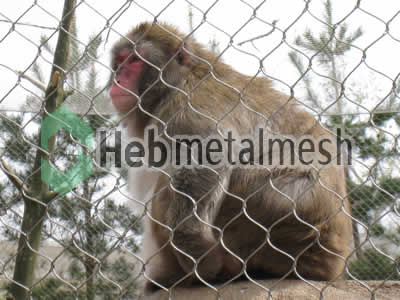
This guide provides zoo directors and exhibit designers with the essential technical criteria for selecting stainless steel cable mesh. We cover material grades (304 vs 316), essential anti-corrosion processes, and structural installation techniques. By choosing the correct specifications and fabrication methods, you ensure primate safety, longevity, and superior visitor transparency while avoiding common procurement pitfalls in the primate habitat industry.
Primate Behavior and Containment Requirements
Designing a zoo monkey enclosure is not just about keeping animals inside; it is about creating an environment that respects their high-level intelligence and physical agility. Primates are master climbers and problem solvers. To prevent escapes, your containment system must balance structural integrity with visual transparency.
From a professional China stainless steel cable mesh factory with 10+ years of export experience, we have observed that the most successful projects prioritize the “immersion design” concept. By using high-tensile strength cable mesh, you provide a secure boundary that feels invisible to visitors. Unlike heavy iron bars or chain-link fencing, stainless steel rope mesh allows for natural light and airflow, which is critical for the health of monkeys in both indoor and outdoor exhibits. For more on this, read our comprehensive insights into monkey enclosure mesh.
Selecting the Right Material: 304 vs. 316 Stainless Steel
Material selection is the foundation of your enclosure’s lifespan. We frequently advise our clients on the difference between AISI 304 and AISI 316 grades.
- AISI 304: This is a cost-effective, high-quality solution suitable for inland environments where humidity levels are moderate. It provides excellent strength and resistance for most primate habitats.
- AISI 316 (Marine-Grade): If your zoo is located near the coast or in an area with high salinity or heavy chemical treatments, 316 is non-negotiable. It contains molybdenum, which drastically improves resistance to pitting and corrosion.
Choosing the wrong grade can lead to premature rust, which is not only unsightly but compromises the structural integrity of the barrier. To ensure you make the right choice, check our guide on mesh for zoo animals: the ideal solution for zoo animal enclosures.
Surface Finishing: Electrolytic vs. Mechanical Polishing
The surface finish of your mesh dictates both its aesthetic appeal and its resistance to the elements.
- Mechanical Polishing: Provides a bright, smooth finish. However, it can sometimes leave microscopic residues that are susceptible to surface tea-staining in harsh environments.
- Electrolytic Polishing: This process removes microscopic surface imperfections. From a factory perspective, we recommend this for high-end zoo projects as it creates a passive, chromium-rich surface layer that is highly resistant to corrosion and easier for zookeepers to clean.
Installation Techniques: Ensuring Safety
Proper installation is the final step in creating a secure monkey enclosure. We utilize three primary edge-fixing methods to ensure the mesh stays taut and escape-proof:
| Method | Best Use Case | Benefit |
|---|---|---|
| Sleeve (Ferrule) | Standard perimeter fixing | High-load bearing, secure connection |
| Buckle | Complex, organic-shaped exhibits | Allows for flexibility during tensioning |
| Winding | Delicate or decorative border areas | Clean look, eliminates sharp wire ends |
Regardless of the method, always ensure the tensioning system is designed to handle the dynamic weight of swinging primates. Never use soft hardware; always pair stainless mesh with matching stainless steel cable components to prevent galvanic corrosion.
Export Standards and Logistics
As a manufacturer, we understand that transit safety is as important as material quality. When we ship our products internationally, we prioritize protection. Every roll is wrapped in high-density waterproof film to prevent moisture damage during sea transit. We then secure these rolls on fumigated, heavy-duty pallets. This ensures that when your materials arrive at the zoo site, they are in pristine, “factory-fresh” condition, ready for immediate installation. Learn more about our manufacturing process in our behind-the-scenes look at animal enclosures.
Key Takeaways
- Safety First: Use high-tensile stainless steel rope mesh to prevent both escapes and injuries.
- Grade Selection: Always use 316-grade for coastal or high-humidity zones.
- Corrosion Control: Opt for electrolytic polishing for maximum longevity.
- Professional Support: Work with experienced manufacturers who provide full export packaging and technical installation advice.
Need a Custom Quote for Your Zoo Project?
Our team provides professional, factory-direct pricing for all primate habitat mesh requirements. From technical specifications to custom fabrication, we ensure your project meets the highest safety standards.
Contact us today for technical drawings and complimentary sample kits.
Visit Our Store & Request a Quote