
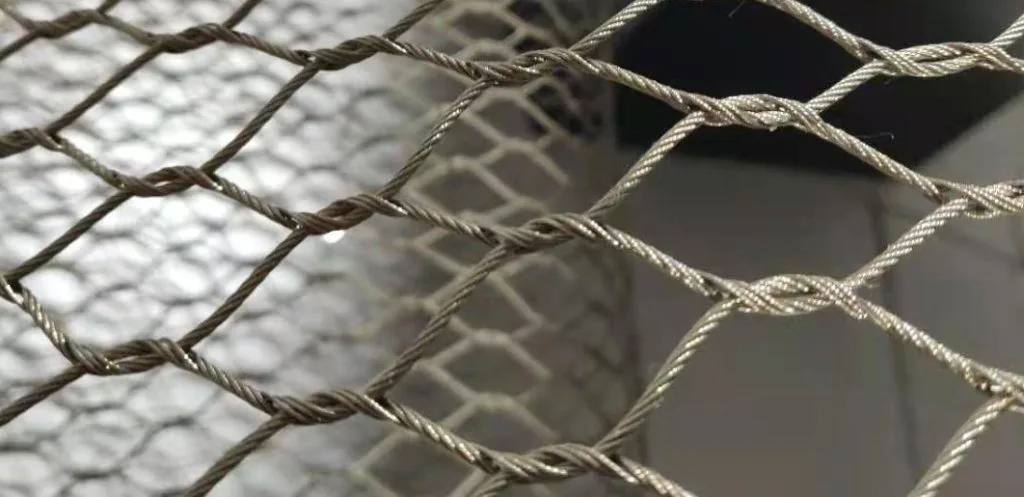
A reptile keeper builds the enclosure in the right order. Substrate first, then the hides, the water bowl, the basking branch, the thermostat probe taped where the animal cannot reach it. Every decision gets argued over for a week.
Then the lid goes on, and it is whatever the tank came with.
That single panel decides how fast the enclosure dries out, how much heat escapes overnight, how much ultraviolet reaches the animal, and whether a hatchling can get out. It is the cheapest component in the build and the one that sets the limits for everything underneath it.
This article is about the lid and the mesh in it, not about any one brand. Zoo Med popularised the screen-top glass tank, and the lid geometry that format established is now common across the category.
Executive Summary
A screen top reptile enclosure is governed by four numbers: the aperture, the wire gauge, the open area of the screen, and the frame it sits in. Get those four right and the rest of the build behaves. Get them wrong and no amount of substrate depth or thermostat tuning fixes it.
The trade-off is that all four pull in different directions. A fine aperture stops an escape and blocks UVB, while a wide one passes light and lets a hatchling through.
A large open area holds humidity down and dumps heat overnight, so the lid that suits a desert species will drown a tropical one.
This article covers each number in turn, why galvanized mesh is the wrong material for a damp vivarium, how heat and UVB behave through a screen, and where lids fail in service.
Quick Answer
For a screen top reptile enclosure, choose the aperture from the smallest part of the smallest animal, the gauge from the species’ strength, and the open area from the humidity the species needs. A screen covering 50% to 70% of the top suits most tropical species; arid species want closer to 80%.
Key Takeaways
- The lid sets humidity, heat loss and UVB, and it is usually the last thing chosen.
- Size the aperture to the smallest body part, not to the adult animal.
- Galvanized mesh has no place in a damp vivarium, for the animal as much as the steel.
- A fine screen can remove a large share of the UVB a lamp produces.
- Nose rub and claw wear both start at the frame edge, not in the middle of the panel.
- Partial covers are the cheapest humidity control there is.
The Lid Is the Enclosure
A mesh lid for a terrarium does three jobs at once, and buyers usually consider only the first.
It keeps the animal in. It lets air through. And it decides how much of the lamp’s output actually reaches the animal, which is the job nobody thinks about until a reptile stops basking.
Those three are not independent. Every square centimetre of open mesh is a square centimetre of water loss, heat loss and light transmission, and the same opening that makes the enclosure breathable makes it dry.
The animal fence mesh range is quoted by clear opening rather than by nominal aperture for this reason. On a lid, the difference between the two decides whether a hatchling stays inside.
What a Screen Top Has to Balance
A terrarium screen lid sits between the animal’s requirements and the room’s conditions, and the room usually wins unless the lid is specified against the species. That makes it a mesh decision before it is a lamp decision, and the containment mesh we supply is quoted on open area rather than on strength for exactly that reason.
| Species group | Humidity | Open area | Aperture | Main risk |
|---|---|---|---|---|
| Tropical amphibians | 70–90% | 30–50% | 1–2 mm | Drying out |
| Tropical snakes | 60–80% | 40–60% | 3–5 mm | Escape at the corner |
| Arid lizards | 30–50% | 70–85% | 5–10 mm | Heat loss at night |
| Chameleons | 50–70% | 80%+ | 5–8 mm | Nose rub on the screen |
| Invertebrates | 60–80% | 40–60% | 1–3 mm | Claw caught in the weave |
Those figures are a starting point for a glass tank with a mesh top, not a rule. The species sets the humidity, the humidity sets the open area, and the open area sets how much of the year you spend misting.
The zoo enclosure material comparison covers how mesh, glass and coated steel behave on the same duty, which is worth reading before committing to a full screen top on a tropical build.
Aperture: Small Enough for the Smallest Part
An escape proof reptile enclosure is one where the aperture is smaller than the smallest part of the smallest animal that will ever live in it.
That is rarely the adult. It is the hatchling, the juvenile, the tarantula’s leg span, or the head of a snake that has been fed and is looking for a way out. Mesh size for a reptile enclosure is therefore a decision made about the smallest occupant across the enclosure’s whole service life, not the animal in it today.
For most small snakes and lizards, 3 mm to 5 mm covers the range. Invertebrates need 1 mm to 3 mm, and a tarantula needs the smaller end because a leg is thinner than a body and gets through gaps the animal cannot follow.
Screen mesh for a vivarium is usually sold by mesh count, which is the number of openings per inch. Eight mesh is about 3 mm, sixteen mesh is about 1 mm. The count is easier to specify than a millimetre figure and it is what the trade uses.
Aperture also sets how much light gets through. A 1 mm weave blocks more of the lamp’s output than a 5 mm weave, so a fine screen protects a small animal and dims its world at the same time.
Material: Why Galvanized Is the Wrong Answer
On a screen top reptile enclosure the material question is about moisture rather than strength, and galvanized mesh is cheaper, widely available and the wrong answer.
The coating is zinc, and zinc is not inert in a warm humid box. It reacts with moisture and with the organic acids in waste, and it produces salts that sit on the wire where a reptile licks, climbs and rubs. Reptiles explore with their tongues, and a chameleon or a monitor will sample the screen.
Stainless has no coating to lose. Grade 304 is adequate for a dry arid setup. Grade 316 is the right call for anything above about 60% humidity, because the molybdenum resists the chloride load that comes from misting, waste and hard water.
The galvanized and stainless comparison sets out where the cost difference actually lands over a service life. On a lid, which is small, the saving from galvanized is trivial against the risk.
The RSPCA guidance on exotic pet housing treats species-appropriate materials as part of basic husbandry rather than as an upgrade.
Heat, Light and the Screen
Heat loss through a mesh lid is fast, and it is the reason a tank that holds temperature all day drops overnight.
A solid top traps a layer of warm air. A screen lets it go, and the exchange happens continuously rather than only when the room cools. That is why an enclosure with a full screen top needs more overhead heating than the same tank with a solid lid and a vent.
The practical fix is coverage, not power. Cover part of the screen with a solid panel and the heat stays without the lamp working harder.
UVB transmission through mesh is the other half. A screen sits between the lamp and the animal, and it removes a meaningful share of the ultraviolet before it arrives, with finer weaves and aluminium frames removing more. The animal then gets less than the lamp’s rating suggests, and the distance from lamp to basking site matters as much as the mesh does.
Two things follow. Fit the UVB lamp closer than the manufacturer’s chart assumes if a screen is in the way, and check the basking spot with a meter rather than trusting the box.
Humidity Is a Ventilation Decision
Reptile enclosure ventilation and humidity are the same dial turned from opposite ends, and the lid is where you turn it.
Humidity loss through a screen top is driven by open area and by the difference between the enclosure and the room. A screen covering most of the top will hold a tropical species at room humidity, which is usually half what it needs.
The ventilation area on a terrarium does not have to be all or nothing. Covering a third of the screen with glass or a solid panel raises humidity without sealing the enclosure, and it can be adjusted by season. That is the cheapest control available and it costs nothing to reverse.
Airflow still matters. A sealed box grows stagnant, and stagnant air plus warmth plus waste is how respiratory problems start. The aim is a gentle exchange, not a sealed lid.
Building the Lid
An aluminium screen frame is the standard way to hold a lid panel, and it is a good system if the details are right.
The frame comes as channel with a spline groove, and the order of work matters:
- Cut the channel and dry-fit the corners.
- Lay the mesh over the frame and pull it square rather than tight.
- Press the spline in from one corner, working diagonally across the panel.
- Trim the excess and re-check tension at the opposite corner.
Tension matters more than the frame. A slack panel flaps, frets against the spline, and opens a gap at the corner within a season.
Mesh gauge for a reptile lid runs from about 0.7 mm for a light insect screen to 1.6 mm for a large lizard that will test it. A heavy animal needs the heavier wire and a frame that is mechanically fixed to the tank rather than resting on it.
Climbing mesh for a reptile changes the requirement again. A chameleon or a small arboreal gecko will hang its whole weight from the screen, so the panel becomes a structural element and the spline becomes a load path.
The guide to small-aperture wire mesh covers the weave types and how each behaves under a point load.
Where Keepers Get Caught
Two failures account for most of the damage done to lids, and both happen at the frame rather than in the middle.
Claw damage to a screen starts where the mesh meets the channel. A climbing animal hooks a claw over the spline line, the wire work-hardens at that point, and it snaps. Once one wire goes the gap opens and the next claw finds it.
Snake nose rub on mesh is the other. A snake working the lid for an hour leaves scales and then skin on the wire, and the abrasion site gets reinfected. The fix is not a finer mesh, which makes it worse, but a solid band around the perimeter of the lid so the animal meets glass instead of wire where it pushes.
Both are visible early if anyone looks. Run a finger along the spline line for a broken wire, and check the perimeter for rubbed scales after a shed. The upkeep routine for stainless mesh covers cleaning without abrading the wire, which matters more on a lid than anywhere else because the panel is small and handled often.
FAQ
Small enough that the smallest animal cannot pass a body part through it. Three to five millimetres suits most small snakes and lizards, one to three for invertebrates.
No, not in a damp setup. The zinc coating reacts with moisture and waste, and reptiles sample surfaces with their tongues. Use stainless instead.
Fifty to seventy percent open for tropical species, closer to eighty for arid ones. Cover the rest with a solid panel and adjust it by season.
Yes, a meaningful share of it, and finer weaves block more. Fit the lamp closer than the chart suggests when a screen is in the way, and check the basking spot with a meter.
A mesh lid lets warm air go continuously, not just when the room cools. Covering part of the screen keeps more heat than adding a bigger lamp.
Tell us the tank size, the species and the lamps. We return an aperture, a gauge and a frame section matched to the humidity you need, with the mesh cut to the panel. Send your lid dimensions