
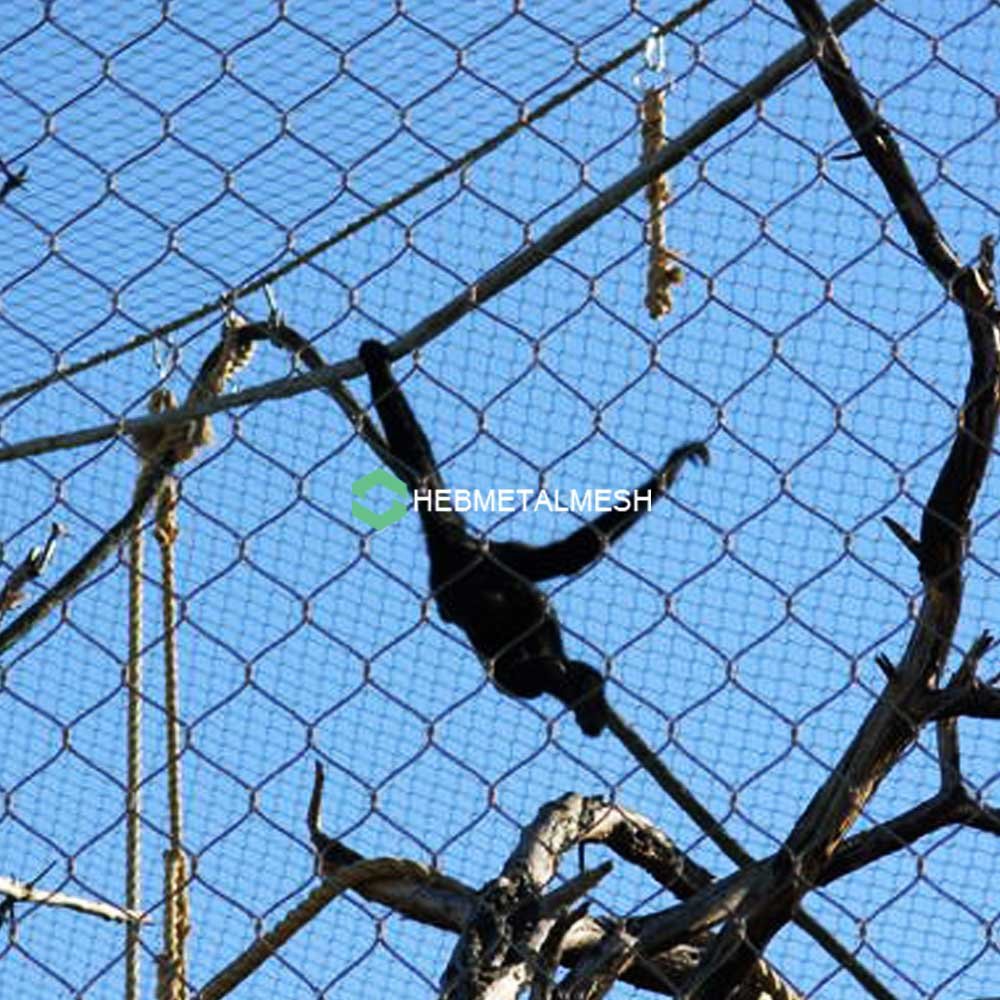
Introduction to Zoo Enclosures
Selecting the right zoo enclosure materials is one of the most critical decisions in habitat design. The materials you choose determine not only animal safety and welfare but also long-term maintenance costs, visitor experience, and regulatory compliance.
From 316L stainless steel woven mesh to reinforced glass and treated timber, each material offers distinct trade-offs in durability, cost, and aesthetics. This guide provides a data-driven comparison of the most common zoo enclosure materials, backed by ASTM testing standards and AZA safety guidelines, to help you make an informed decision for your next zoo project. Explore our full range of zoo enclosure products for species-specific solutions.
Whether you are managing a commercial livestock operation or designing a professional zoo exhibit, the same principles apply—and our comprehensive zoo enclosure fencing solutions cover everything from material selection to installation best practices.
2. Zoo Enclosure Materials: Quick Comparison Table
| Material | Lifespan | Maintenance Frequency | Best Use Cases | 20-Year Total Cost (per m²) |
|---|---|---|---|---|
| 316L Stainless Steel Mesh | 25+ years | Minimal (inspection only) | Humid/coastal environments, large primates, carnivores | ~$45 |
| Galvanized Steel | 5-8 years | Repainting every 3 years | Dry climates, temporary enclosures | ~$71 |
| Tempered Glass | 10-15 years | Regular cleaning, seal inspection | Viewing areas, reptile habitats | High |
| Treated Timber | 5-10 years | Periodic sealing/preservation | Naturalistic exhibits, aviaries | Medium-High |
| Wire Mesh (Standard) | 3-7 years | Frequent repair/replacement | Small birds, rodents, temporary use | Varies |
Key takeaway: While 316L stainless steel has a higher upfront cost, its 25+ year lifespan and near-zero maintenance make it the most cost-effective choice over time. In contrast, galvanized steel requires repainting every 3 years, costing approximately $8/m² per session—adding nearly $56/m² in maintenance over 20 years.
For a detailed breakdown of 304 versus 316 stainless steel—and why the molybdenum in 316 is non-negotiable for coastal zoos—see our complete material selection guide for zoo animal enclosures.
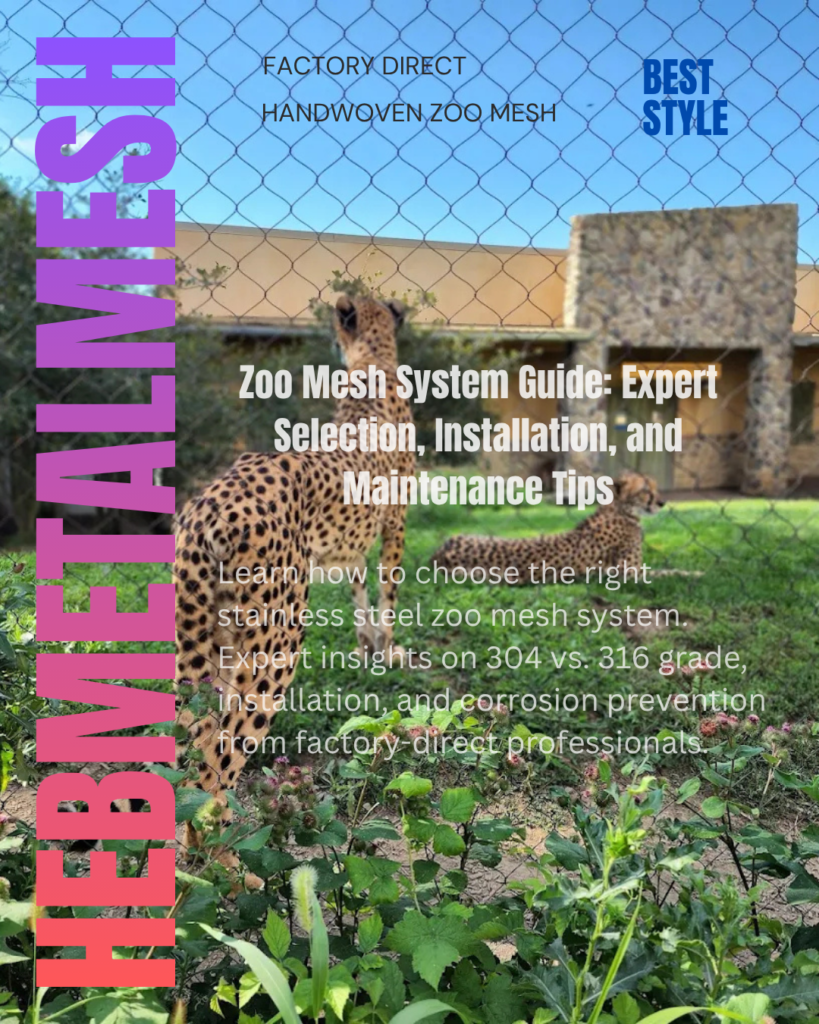
3. Common Zoo Enclosure Materials and Their Applications
Steel (Stainless & Galvanized)
Steel is the most widely used material in zoo enclosure construction due to its strength and durability. It can withstand harsh environmental conditions and is resistant to tampering or damage. For species-specific guidance on monkey and primate enclosures, our dedicated monkey enclosure zoo article covers everything from SS316 mesh to enrichment design.
- 316L Stainless Steel: Contains molybdenum for superior corrosion resistance. Ideal for humid or marine environments. Tested to 5,000+ hours in ASTM B117 salt spray testing. Lifespan exceeds 25 years. Browse our complete product line for specifications and sizing options.
- Galvanized Steel: Coated with zinc for moderate corrosion protection. Suitable for dry climates. Typically lasts 5-8 years before requiring replacement or repainting.
⚠️ Consideration: Without proper shading, metal surfaces can overheat in direct sunlight. Always incorporate shaded areas in enclosures using steel materials.
Glass (Tempered & Laminated)
Glass enclosures offer unobstructed viewing experiences and allow natural light into habitats. They are commonly used for reptile exhibits, underwater viewing areas, and species that benefit from visual connection with visitors.
- Advantages: Aesthetic appeal, clear visibility, natural light transmission
- Disadvantages: High installation cost, regular cleaning required, can cause stress for shy species if not designed with privacy zones
Treated Timber
Wood provides a natural aesthetic that blends well with forest or savannah-themed exhibits. When properly treated, it can offer both structural support and visual warmth.
- Advantages: Natural appearance, renewable resource, easy to work with
- Disadvantages: Requires regular sealing, can harbor pests, limited lifespan in humid climates
Wire Mesh (Standard)
Lightweight and cost-effective, standard wire mesh offers excellent airflow and visibility.
- Advantages: Low cost, easy installation, good ventilation
- Disadvantages: Limited durability, vulnerable to damage from powerful animals, shorter lifespan
When designing enclosures for carnivores like lions, the choice of mesh is critical. For detailed specifications, safety standards, and design principles, refer to our complete lion enclosure design guide.
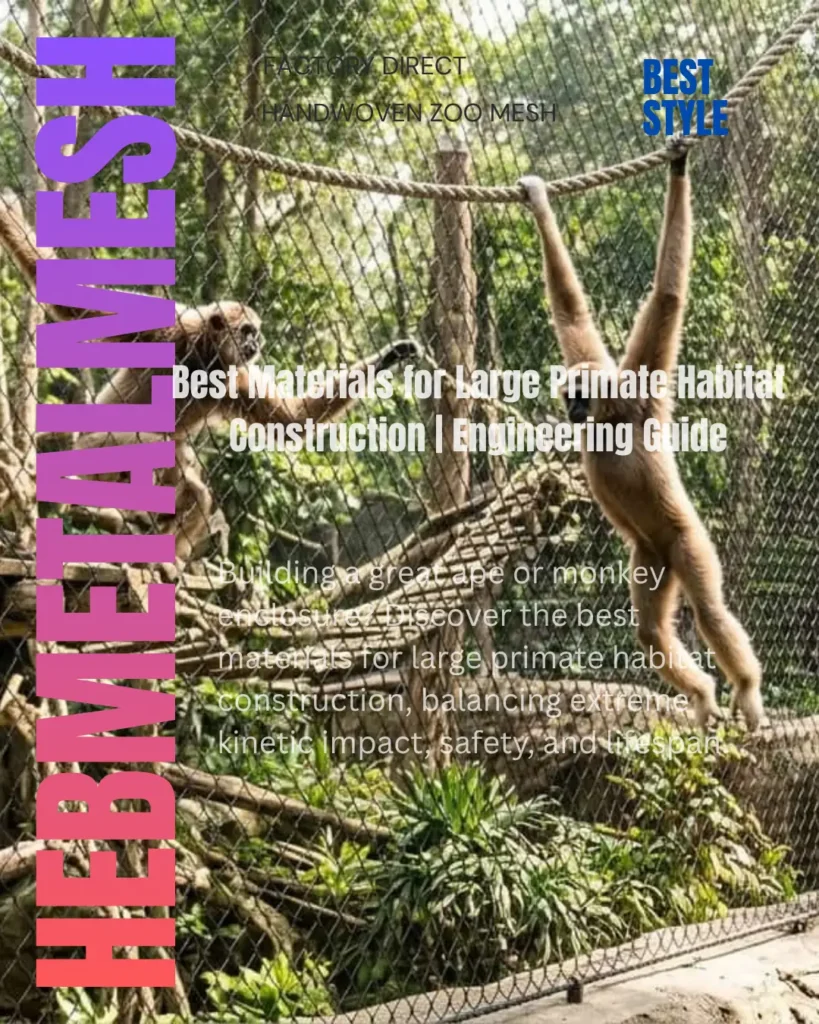
4. Critical Selection Criteria for Zoo Enclosure Materials
4.1 Corrosion Resistance
For zoos located in humid or coastal environments, corrosion resistance is non-negotiable. The choice between 316L stainless steel and galvanized steel directly impacts enclosure longevity.
| Test Standard | 316L Stainless Steel | Galvanized Steel |
|---|---|---|
| Salt Spray Test (ASTM B117) | 5,000+ hours | 500-1,000 hours |
| Chemical Resistance (pH 3-11) | No damage | Surface degradation |
| Expected Lifespan | 25+ years | 5-8 years |
Recommendation: For coastal zoos or enclosures with aquatic features, 316L stainless steel woven mesh is the only reliable choice.
4.2 Impact Strength & Safety Standards
International zoo standards (IZW 2023) mandate specific impact resistance requirements, particularly for large primates and carnivores.
| Species | Required Impact Resistance | Recommended Material |
|---|---|---|
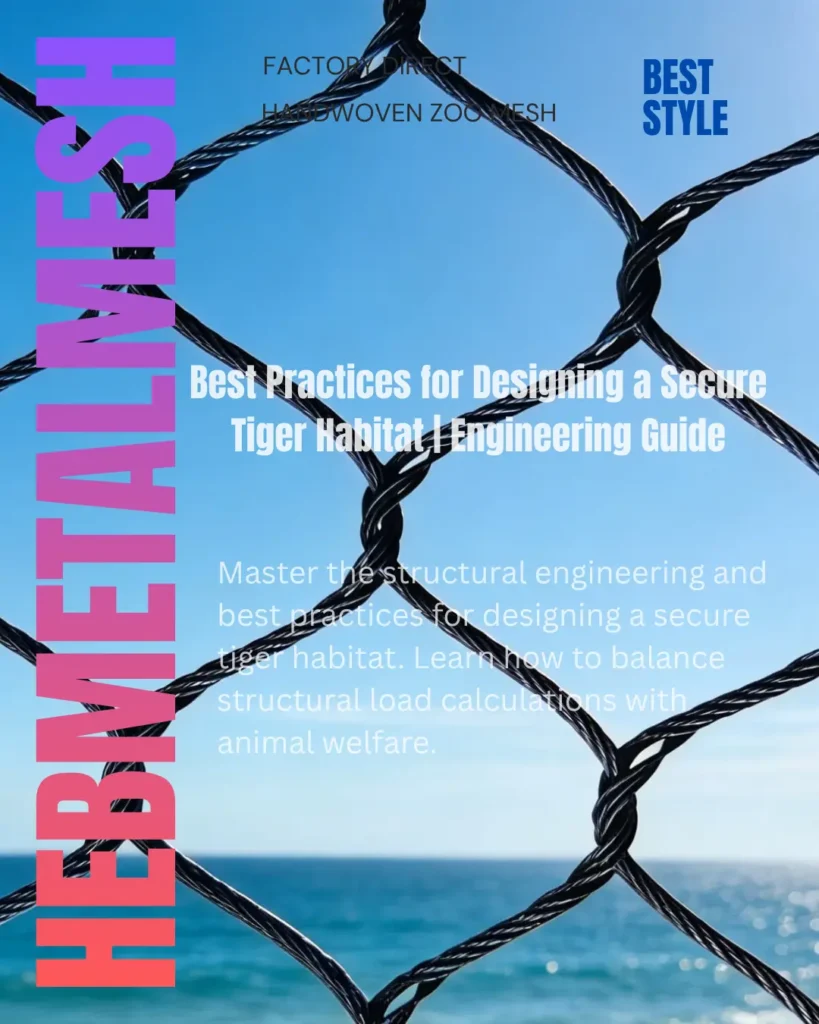
| Gorillas / Large Primates | ≥ 8,000N instantaneous force | 316L stainless mesh with double-twisted weave |
| Big Cats | ≥ 6,500N instantaneous force | Reinforced steel or glass |
| Elephants / Rhinos | ≥ 12,000N push force | Steel-reinforced concrete + heavy-duty mesh |
Hebmetalmesh Patented Technology: Our double-twisted weaving process achieves tested tensile strength of 12,000N—exceeding international requirements for even the largest species.
4.3 Animal Safety: Zero Sharp Edges & Species-Specific Openings
Animal injuries from enclosure materials are preventable with proper specifications:
- Zero Sharp Edges: Our weaving technology eliminates weld burrs and sharp protrusions, complying with AZA safety standards.
- Aperture Sizing:
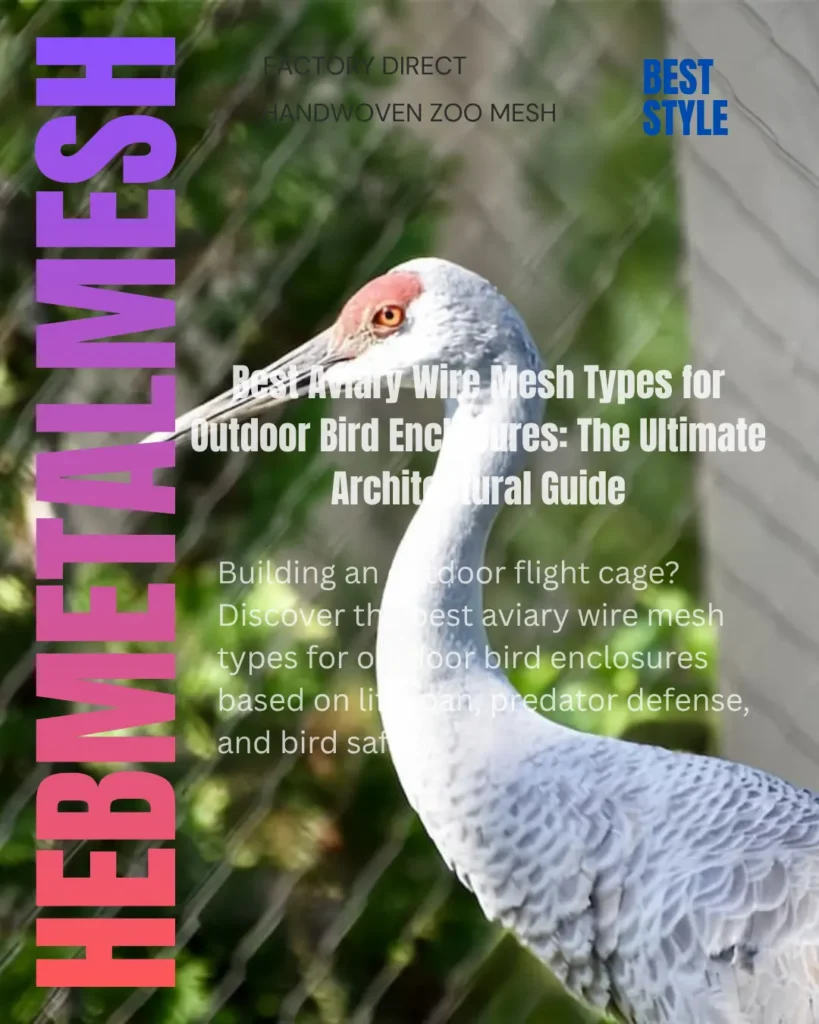
- Small birds: ≤ 25mm (prevents head entrapment)
- Reptiles: ≤ 60mm (prevents limb entanglement)
- Primates: 50-80mm (balances visibility with safety)
5. Cost Analysis: 20-Year Lifecycle Cost Comparison
The true cost of enclosure materials is not the purchase price—it’s the total cost over the enclosure’s lifespan.
Case Study: 316L Stainless Steel vs. Galvanized Steel (per m²)
| Cost Factor | 316L Stainless Steel | Galvanized Steel |
|---|---|---|
| Initial Material Cost | $45 | $15 |
| Installation | $5 | $5 |
| Maintenance (20 years) | $0 | $56 |
| Replacement Cost | $0 | $15 |
| Total 20-Year Cost | $50 | $91 |
🟢 316L Stainless Steel saves approximately $41/m² over 20 years—a saving of 45% compared to galvanized steel.
Additional Considerations:
- Galvanized steel enclosures require closures during repainting (animal displacement costs)
- Stainless steel eliminates animal escape risks associated with corroded galvanized mesh
- Reduced staff labor hours for maintenance
For detailed pricing on specific panel sizes and mesh specifications, visit our Black Oxide Zoo Mesh order page.
6. How to Evaluate Material Quality (Practical Guide)
Salt Spray Testing
Request 3,000+ hour test reports from suppliers. This simulates years of coastal or humid exposure in a controlled environment.
- ASTM B117 standard is the industry benchmark
- 316L stainless steel consistently exceeds 5,000 hours
- Galvanized steel typically fails between 500-1,000 hours
UV Aging Testing
Verify anti-embrittlement data after simulated 5-year sun exposure. UV degradation can significantly weaken standard wire mesh and certain polymers.
Site Visits
Inspect materials in similar climate conditions:
- Coastal zoos → focus on salt spray resistance
- Desert zoos → focus on UV resistance and heat management
- Tropical zoos → focus on both corrosion and UV protection
Hebmetalmesh Offer: Free lab testing for qualified zoo projects. Contact us for samples.
7. Customizing Zoo Enclosure Panels
Standard vs. Irregular Shapes
- Standard rectangular panels are available for most applications
- Irregular-shaped panels can be ordered as rectangular panels and cut on-site during installation
Recommended Process for Custom Shapes
- Provide detailed enclosure design drawings
- HEB manufactures standard panels to your specifications
- On-site cutting and installation by experienced zookeeping contractors
- Final inspection for safety compliance
For design guidance and technical specifications, refer to our comprehensive zoo enclosure design handbook.
8. Sourcing Zoo Enclosure Materials
Specialized Zoo Suppliers
Vendors who focus exclusively on zoo and wildlife habitat materials offer:
- Products that meet AZA, EAZA, and IZW standards
- Technical guidance on species-specific requirements
- Installation support and maintenance advice
Browse our full product catalog to explore material options.
Experienced Zoological Construction Firms
Companies with a portfolio of zoo projects provide:
- Professional insights into safe enclosure design
- Established supplier relationships for better pricing
- Project management from design through completion
Online Marketplaces
While accessible, online platforms require careful vetting:
- Verify supplier credentials
- Request material samples
- Confirm compliance with safety regulations
⚠️ Critical: Always verify that materials meet AZA/EAZA safety standards before purchasing.
9. Frequently Asked Questions (FAQ)
Q1: Which zoo enclosure material is most corrosion-resistant?
A: For humid or marine environments, 316L stainless steel woven mesh is the best choice. Its molybdenum content provides superior resistance to:
- Salt spray corrosion (tested to 5,000+ hours per ASTM B117)
- Acidic cleaners (no damage within pH 3-11 range)
Traditional galvanized steel typically lasts 5-8 years, while 316L stainless steel exceeds 25+ years. View our 316L stainless steel mesh options for specific applications.
Q2: What impact strength is required for primate enclosures?
A: Per international zoo standards (IZW 2023), for large primates like gorillas:
- Mesh must withstand ≥ 8,000N instantaneous impact force
- HEB’s patented double-twisted weaving process achieves tested tensile strength of 12,000N
Q3: How do I ensure enclosure materials don’t harm animals?
A: Critical safety standards include:
- Zero sharp edges: HEB’s weaving technology eliminates weld burrs (compliant with AZA safety standards)
- Species-specific aperture sizing: ≤25mm for small birds, ≤60mm for reptiles (prevents limb entrapment)
- Non-toxic materials: All materials must be free from heavy metals and harmful coatings
Q4: How much does a zoo enclosure cost?
A: Costs vary significantly based on:
- Species housed (size, strength, behavioral needs)
- Enclosure size and shape
- Material selection (see lifecycle cost analysis above)
- Climate and site conditions
For a detailed quote specific to your project, contact our team.
Q5: How often should zoo enclosure materials be inspected?
A: Recommended inspection schedule:
- Daily: Visual inspection by zookeepers
- Monthly: Detailed structural inspection
- Annually: Professional engineering assessment
- 5-year: Comprehensive material integrity testing
10. Conclusion: Making the Right Material Choice
Selecting the appropriate zoo enclosure materials is a decision that impacts animal welfare, visitor safety, operational costs, and the zoo’s reputation for decades.
Key takeaways:
- Prioritize data over upfront cost: 316L stainless steel’s higher initial investment is recouped within 8-10 years through reduced maintenance and replacement costs.
- Match materials to species: The behavioral needs, strength, and sensitivity of each species should drive material selection—not a one-size-fits-all approach.
- Comply with standards: AZA, EAZA, and IZW standards exist to protect both animals and visitors. Non-compliance is not an option.
- Plan for 25+ years: Zoo enclosures are long-term investments. Choose materials that will perform over decades, not years.
- Partner with specialists: Work with suppliers who understand the unique demands of zoological environments.
For a deeper dive into enclosure design principles, read our complete zoo enclosure design handbook.
💡 Ready to start your project?
Hebmetalmesh offers:
- ASTM-tested 316L stainless steel enclosure materials
- Free sample testing
- Technical consultation for species-specific requirements
- Global shipping and installation support
📞 Contact our team today for a free quote and material selection consultation.