
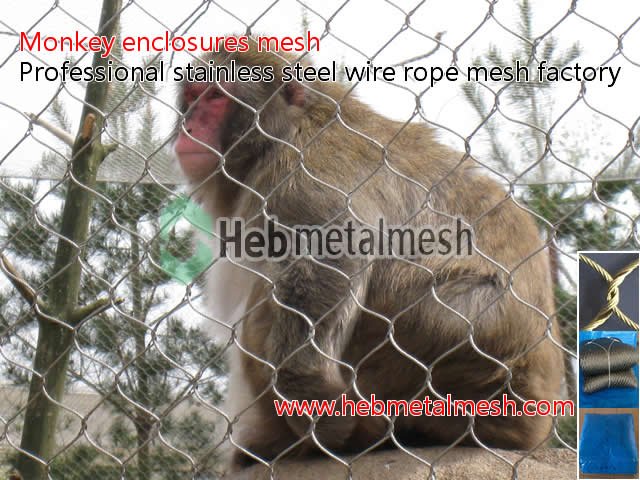
Designing a monkey enclosure zoo habitat requires balancing animal welfare, visitor experience, and escape-proof security. Stainless steel cable mesh—handwoven from SS304 or SS316 wire rope—has emerged as the industry standard, offering superior durability, corrosion resistance, and unobstructed visibility over traditional chain-link or welded wire. This guide covers species-specific mesh aperture sizing (19mm for small primates up to 51mm for macaques), AZA-aligned height requirements (minimum 5m), leading global suppliers (Hebmetalmesh, Huamei, Zoomeshfactory, MMA Architectural Systems), and procurement best practices for North American and European zoo purchasers. Whether you’re planning a new primate habitat or upgrading an existing one, this is your comprehensive resource for monkey enclosure zoo design and specification.
Key Takeaways
- Stainless steel cable mesh is the gold standard for monkey enclosures—SS316 offers superior corrosion resistance for coastal or humid climates; SS304 suits most applications
- Mesh aperture must match species: 19mm (¾″) for small primates, 25-38mm (1″–1.5″) for medium monkeys, 51mm (2″) for large macaques and spider monkeys
- Minimum enclosure height: 5 meters (16 feet) for most monkeys; arboreal species benefit from 11-meter structures
- Top global suppliers include Hebmetalmesh (China), Huamei (China), Zoomeshfactory (China), and MMA Architectural Systems (UK)
- AZA and EAZA accreditation requires non-toxic materials, escape-proof barriers, and species-appropriate enrichment—stainless steel mesh meets all standards
- Installation requires professional tensioning—always pair stainless mesh with matching stainless hardware to prevent galvanic corrosion
⏳ Procurement Pain Point? Get It Right the First Time
Stop Guessing on Mesh Specs — Get a Free Project-Bound Quote
We match your monkey species to the exact SS304/SS316 aperture, rope diameter, and tensioning system — fully compliant with AZA and EAZA height and safety mandates.
- ✔ Site-specific CAD layout support
- ✔ 30 day lead times for standard panels
- ✔ Direct factory pricing (no middlemen)
No spam. 2-hour response for U.S./EU buyers.
Introduction
When it comes to designing a monkey enclosure zoo habitat, the stakes couldn’t be higher. You’re balancing the safety of highly intelligent, agile primates against the security of visitors and staff—all while delivering an immersive experience that meets rigorous accreditation standards. Stainless steel cable mesh has revolutionized modern zoo design, enabling zoos to move away from traditional bars and cages toward barless, naturalistic enclosures that prioritize animal welfare and visitor engagement.
This guide draws on industry best practices, real-world case studies, and supplier data to help American and European zoo purchasers make informed decisions about monkey enclosure zoo materials, design, and procurement.
Understanding Monkey Enclosure Requirements for Zoos
Species-Specific Design Considerations
Different monkey species have dramatically different enclosure needs. A monkey enclosure zoo design that works for marmosets will fail for macaques.
Small primates (marmosets, tamarins, squirrel monkeys):
- Require fine mesh apertures (19mm–25mm) to prevent escape
- Benefit from dense vegetation and vertical climbing structures
- Minimum height of 3 meters from the highest climbable point
Medium monkeys (capuchins, squirrel monkeys):
- Mesh aperture: 25-38mm (1″–1.5″)
- Require spacious social grouping areas
- Need varied terrain and enrichment opportunities
Large monkeys (macaques, spider monkeys, colobus):
- Mesh aperture: 51mm (2″) for most Old World species
- Minimum 5-meter height with extensive climbing structures
- Require indoor/outdoor connectivity via net tubes
Regulatory and Accreditation Standards
AZA (Association of Zoos and Aquariums) and EAZA (European Association of Zoos and Aquaria) set strict mandates for monkey enclosure zoo habitats:
- Height: Minimum 5 meters with 1.5-meter curtilage (buffer zone) from public viewing areas
- Strength: Fencing must withstand the weight and force of animals plus natural elements
- Non-toxicity: Materials must not leach chemicals
- Mesh specifications: Maximum mesh size of 2″ × 2″ (50.8mm) for Old World species; 1″ × 1″ (25.4mm) where mesh separates adjacent cages
ASTM standards also apply: ASTM A492 and ASTM-A580/A580M-06 set benchmarks for stainless steel rope mesh used in zoos, covering chemical composition, mechanical properties, and durability.
The Shift to Barless, Naturalistic Enclosures
Modern zoos are moving decisively away from traditional bars and cages. Webnet and similar stainless steel mesh systems enable zoos to create barless enclosures that are both secure and visually unobtrusive.
The benefits are clear:
- Unobstructed visitor sightlines—the filigree mesh is nearly invisible to the human eye
- Species-appropriate climbing—monkeys can scale the mesh naturally
- Natural light penetration—enclosures remain bright and airy
- Improved animal welfare—reduced stress and more natural behaviors
Choosing the Right Materials for Monkey Enclosure Mesh
Stainless Steel Cable Mesh — The Industry Standard
Handwoven stainless steel rope mesh is the top choice for monkey enclosure zoo exhibits. Unlike chain-link or welded wire, stainless steel cable mesh offers an unmatched combination of strength, flexibility, and visual appeal.
For professional-grade monkey enclosure mesh, explore our premium monkey netting mesh product line — available in SS304 and SS316 grades with custom apertures from 19mm to 51mm.
Material Grades:
Webnet, the industry-leading system, consists of AISI 316 and AISI 316L stainless steel. A matte black finish can make the net even less visible to the human eye.
Mesh Aperture Sizing by Monkey Species
For larger monkeys, 2.0mm to 2.4mm rope diameter with 51mm–76mm aperture is recommended. The aperture must be small enough to prevent escape while allowing natural climbing behavior.
For large primate exhibits requiring a 2-inch aperture, our 2-inch handwoven monkey fence panels offer the ideal combination of security and visibility.
Alternative Materials and Their Limitations
Stainless steel fencing nets outperform chain link, wire mesh, and acrylic in durability, low maintenance, security, and aesthetics. They resist rust, corrosion, and impact—critical in high-activity zoo environments.
We offer a complete range of zoo-grade mesh solutions — browse our full zoo mesh series for enclosures of all sizes and species.
Key Design Elements for Professional Monkey Enclosures
Structural Framework and Tensioning Systems
A monkey enclosure zoo requires robust structural support. Typical designs feature:
- Steel pylon support structures for mesh tensioning
- Net tubes connecting indoor and outdoor areas
- Dome-shaped and tent structures for aesthetic and functional benefits
- Guy ropes (14–30mm diameter) with end connectors for additional support
Proper installation is critical. The tensioning system must handle the dynamic weight of swinging primates. Never use soft hardware—always pair stainless mesh with matching stainless steel cable components to prevent galvanic corrosion.
For a broader perspective on enclosure materials across all zoo species, check out our comprehensive zoo enclosure material guide covering giraffes, tigers, birds, and primates.
Indoor/Outdoor Integration
Modern monkey enclosure zoo designs seamlessly integrate indoor and outdoor spaces:
- Night and winter quarters: Insulated, heated, ventilated spaces
- Interior on-show areas: Glass viewing panels for year-round visibility
- Keeper access locks: Secure isolation areas for veterinary care
- Heated cubicles integrated into rock cliff structures
The Knie Children’s Zoo squirrel monkey enclosure exemplifies this approach, featuring an 11-meter-high structure with net tubes connecting the outdoor area to the monkey house—animals move freely between spaces.
Enrichment and Habitat Features
Species-appropriate enrichment is non-negotiable in professional monkey enclosure zoo design:
- Vertical climbing elements at different heights
- Planted vegetation and trees—mesh wraps around existing trees to preserve natural environments
- Pulley systems for food delivery to upper reaches
- Varied terrain, basking areas, and shelter from elements
- Water features such as creeks and ponds
- Deadfall trees, stumps, and rocks for natural foraging
The Drusillas Zoo Park colobus monkey habitat demonstrates best practice—Base Structures designed a bespoke enclosure using high-tensile stainless steel Webnet supported by large steel posts, wrapping mesh around existing trees to preserve the natural environment.
When comparing fencing options for primate habitats, our stainless steel fencing net for zoo monkeys provides the durability and corrosion resistance that professional zoos demand.
Visitor Experience Considerations
- Filigree mesh for unobstructed viewing
- Walk-through experiences with access locks for guided groups
- Education centers with viewing galleries
- Clear sightlines that enhance engagement while maintaining safety
Procurement Guide for Monkey Enclosure Zoo Mesh
Evaluating Suppliers and Manufacturers
Certifications to look for:
All our monkey enclosure zoo mesh systems meet or exceed AZA accreditation standards and EAZA guidelines for primate habitats.
- CE marking (European compliance)
- SGS certification (quality and safety)
- ASTM A492 or ASTM-A580/A580M-06 compliance
Cost Considerations
Price indicators (for reference):
- Stainless steel rope mesh: $22.50–$65.89 per square meter depending on specifications
Costs also include structural supports, night houses ($20,000+ per shelter), heating systems, and enrichment features. The Warsaw Zoo monkey house project is budgeted at £1,273,050.
Customization and Specification
- Sheet panel sizes: Fully customizable
- Mesh orientation: Horizontal or vertical
- Finishing options: Ultrasonic bath, black oxide treatment
- Mesh angles: 60° or 90° diamond patterns
- Rope constructions: 7×7, 7×19, or 1×19
Installation and Maintenance Best Practices
Professional Installation Guidelines
- Mesh tensioning must handle dynamic weight of swinging primates
- Integration with existing structures and landscapes
- Safety barriers and public viewing area curtilage (minimum 1.5m)
- Tree integration requires specialized finishing details to accommodate natural growth and movement
The Drusillas Zoo Park project demonstrates best-in-class installation—Base Structures developed a specialized interface detail that accommodates trees’ natural motion, preventing damage to the mesh while maintaining enclosure integrity.
Ongoing Maintenance
Stainless steel mesh requires virtually no maintenance. However, regular inspection is recommended for:
- Wear, corrosion, or damage
- Cleaning protocols for stainless steel mesh
- Replacement cycles based on environmental conditions and usage
Webnet is weather-resistant, extremely robust, and maintenance-free—one of the key reasons it’s the preferred choice for professional zoos worldwide.
What Zoo Professionals Say About Our Monkey Enclosure Mesh
Real reviews from zoo directors, facility managers, and wildlife park operators who have trusted Hebmetalmesh for their primate habitats.
“This netting has been a lifesaver for our zoo’s monkey enclosure! It’s incredibly durable, withstanding the playful antics of our mischievous primates. The clear visibility allows visitors to get up close and personal with the monkeys, creating a truly immersive experience.”
“We’ve been using this netting for several years now, and it continues to impress. The strong, weather-resistant material ensures the safety of both our monkeys and our visitors. The easy-to-install design made the setup process a breeze.”
“This netting is a game-changer for our monkey enclosure. It’s not only sturdy and secure but also aesthetically pleasing. The clear view allows for unobstructed observation of the monkeys, making it a favorite exhibit among our visitors.”
“We recently purchased Hebmetalmesh’s black oxide zoo mesh for our new exhibit and we couldn’t be happier! The black oxide finish not only looks sleek and modern, but also provides an extra layer of protection against rust and corrosion. The mesh is incredibly strong and durable.”[reference:0]
“We’ve been using Hebmetalmesh’s black oxide zoo mesh in several of our exhibits for years now and have never had any issues. The finish has held up well over time, and the mesh itself is easy to install and maintain.”[reference:1]
“This zoo mesh is top-notch! It’s incredibly strong and durable, perfect for securing our animal enclosures. The fine mesh keeps our animals safe and contained, while still allowing for good visibility. Highly recommend!”[reference:2]
⭐ 4.8/5 average rating from verified zoo and wildlife park professionals · Read all reviews
FAQ: Frequently Asked Questions About Monkey Enclosure Zoo
1. What is the best mesh material for a monkey enclosure in a zoo?
Stainless steel cable mesh (handwoven rope mesh) is the industry standard. SS316 grade offers superior corrosion resistance for outdoor and humid environments, while SS304 suits most applications. Mesh aperture should be selected based on monkey species—smaller openings (19mm/¾″) for small primates, larger (51mm/2″) for macaques and spider monkeys.
2. How high should a monkey enclosure fence be?
Professional zoo guidelines recommend a minimum height of 5 meters (approximately 16 feet) for monkey enclosures. Taller enclosures are preferred for arboreal species that climb and swing, with some modern enclosures reaching 11 meters or more. The fence should also include a 1.5-meter curtilage (buffer zone) between the enclosure perimeter and public viewing areas.
3. How much does a zoo monkey enclosure cost?
Costs vary significantly based on size, materials, and customization. Standard pre-fabricated enclosures offer cost-effective solutions, while custom-designed habitats with stainless steel mesh systems represent a significant capital investment. The Warsaw Zoo monkey house project is budgeted at £1,273,050, while the Nandankanan Zoological Park exotic primate complex cost Rs 1.75 crore (approximately $210,000 USD) for 13,665 sq ft.
4. What mesh aperture size is needed for different monkey species?
The aperture must be small enough to prevent escape while allowing natural climbing behavior.
For detailed technical specifications on wire netting for monkey exhibits, including rope diameter and aperture recommendations, see our complete wire netting guide for monkey enclosures.
5. What are the key safety requirements for a zoo monkey enclosure?
Key safety requirements include: escape-proof construction using high-tensile stainless steel mesh; minimum 5m height with 1.5m public curtilage; electric fencing or other deterrents along perimeter tops; secure keeper access locks; and compliance with AZA/EAZA accreditation standards. The design must also prevent animal injury through flexible, impact-absorbing materials. Stainless steel mesh meets all USDA and AZA standards for non-toxicity and structural integrity.
⏳ Procurement Pain Point? Get It Right the First Time
Stop Guessing on Mesh Specs — Get a Free Project-Bound Quote
We match your monkey species to the exact SS304/SS316 aperture, rope diameter, and tensioning system — fully compliant with AZA and EAZA height and safety mandates.
- ✔ Site-specific CAD layout support
- ✔ 5-8 day lead times for standard panels
- ✔ Direct factory pricing (no middlemen)
No spam. 2-hour response for U.S./EU buyers.