
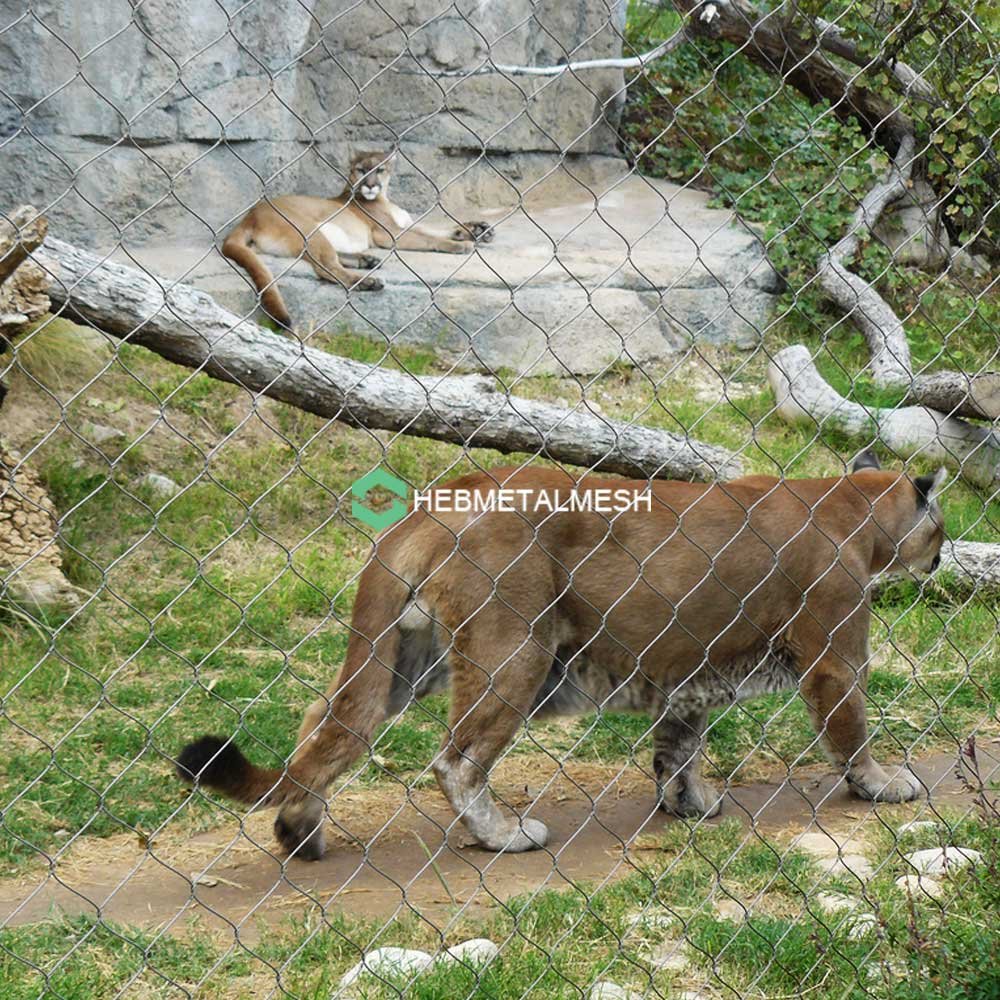
Designing a lion enclosure requires balancing uncompromising safety, regulatory compliance, and species-appropriate animal welfare. This guide covers everything US and European buyers need to know: fencing height requirements (minimum 3.5m with 1m overhang), material selection (handwoven stainless steel cable mesh vs. chain-link), space standards per lion (AZA recommends 929m² for 1–3 adult lions), and cost breakdowns ($500,000–$1M+ for full habitats). Whether you’re a zoo curator, wildlife sanctuary operator, or conservation project manager, this comprehensive resource helps you build a secure, regulation-compliant, and enriching lion enclosure that protects animals, keepers, and visitors alike.
Key Takeaways
- Safety First: Lion enclosures require minimum 3.5m (11.5ft) fencing with 1m inward overhang at 45° to prevent escapes. Regular inspections should occur at least daily to check for cage integrity or damage.
- Material Matters: Handwoven stainless steel cable mesh (SS304/316, 1/8″ cable, 3″×3″ aperture) is the industry gold standard for strength, visibility, and longevity.
- Space Standards: AZA recommends a minimum of 929 m² (10,000 ft²) for 1–3 adult lions. Each lion should have at least 500 square meters of space to exhibit natural behaviors.
- Cost Reality: Professional lion enclosure projects range from $500,000 to over $4 million depending on scale and features.
- Regulatory Compliance: USDA 9 CFR § 3.127, AZA Lion Care Manual, and state-level regulations all apply.
🦁 Need a custom quote for your lion enclosure project?
Get factory-direct pricing on handwoven stainless steel mesh—engineered for apex predators and built to last 25+ years.
Introduction – Why Lion Enclosure Design Matters
Building a lion enclosure isn’t just about erecting fences and calling it a day. These magnificent apex predators deserve habitats that ensure their safety while enriching their lives and protecting zoo visitors and staff. A well-designed lion enclosure balances animal welfare, public security, and conservation goals—a trifecta that demands careful planning, quality materials, and strict regulatory compliance.
Lions are social animals living in prides with complex structures and specific roles for each member. To create a harmonious lion enclosure, you must mimic this social dynamic as closely as possible. Think of it like designing a home for your family—everyone needs their space, but they also need to interact and coexist peacefully.
A well-designed zoo lion enclosure is more than just a place to house these majestic animals; it’s a carefully crafted habitat that promotes their physical and mental well-being. By creating immersive and engaging lion exhibits, zoos can foster a deeper appreciation for these apex predators and encourage people to support wildlife conservation initiatives
Lion Enclosure Size Requirements – Space Standards by Regulation
Minimum Space per Lion
Space requirements for a lion enclosure vary by jurisdiction, but all regulations emphasize one principle: lions need room to roam. A cramped enclosure can lead to stress and health issues.
| Regulation Body | Minimum Space Requirement | Additional Notes |
|---|---|---|
| AZA (Association of Zoos & Aquariums) | 929 m² (10,000 ft²) for 1–3 adult lions | Industry gold standard ★ Best Practice |
| Expert Recommendation | 500 m² per lion | Allows stalking and running behaviors |
| UK/Scotland Guidance | 37m² floor space per single lion | Increased by 50% for each additional cat |
| Ohio Administrative Code | 600 sq ft for 1–2 animals | 12ft height with cantilever or roof |
| Florida Administrative Code | 24ft × 10ft × 8ft high | For one or two animals |
Space for Multiple Lions and Pride Dynamics
When housing multiple lions, the lion enclosure must accommodate social dynamics. Territorial considerations require separate den areas—minimum three dens for two cats. Withdrawal areas and visual barriers (rock outcroppings, hills, foliage) reduce stress and allow individual animals to retreat from conspecifics without limiting access to food, water, heat, or shade.
All enclosures should allow each animal the ability to retreat from conspecifics through the use of visual barriers, such as rock outcroppings, hills, and foliage. The best lion exhibits safely replicate the features of the lion’s natural habitat, encouraging natural behaviors that result in healthier animals.
Lion Enclosure Fencing – Materials, Heights, and Specifications
Fence Height and Overhang Requirements
The perimeter of any lion enclosure must be escape-proof. The AZA Lion Care Manual recommends a minimum fence height of 4.5m (15ft). UK guidance specifies at least 3.5m (11.5ft) high with a 1m inward overhang at 45°. Florida regulations accept 10ft vertical walls with a 2ft inward angle overhang, while Ohio requires 12ft height with cantilever or roof.
Fences less than 8ft high for potentially dangerous animals like lions require written approval from the USDA Administrator. Additionally, USDA 9 CFR § 3.127 requires all outdoor housing facilities to be enclosed by a perimeter fence of sufficient height to keep animals and unauthorized persons out.
Fencing Materials Comparison
Choosing the right material for your lion enclosure fencing is critical. Here’s how the options stack up:
| Material | Strength | Visibility | Lifespan | Maintenance | Cost |
|---|---|---|---|---|---|
| Stainless Steel Cable Mesh (SS304/316) ★ Recommended | ✔ Extreme (1200MPa tensile) | ✔ Excellent (“nearly invisible”) | 25+ years | ✔ Zero | $$$ |
| Galvanized Chain-Link (14-gauge min) | Moderate | Good | 10–15 years | Moderate | $ |
| Dulok Double Wire System | High | Moderate | 20+ years | Low | $$ |
| Masonry/Concrete Walls | Very High | None | 50+ years | Low | $$$$ |
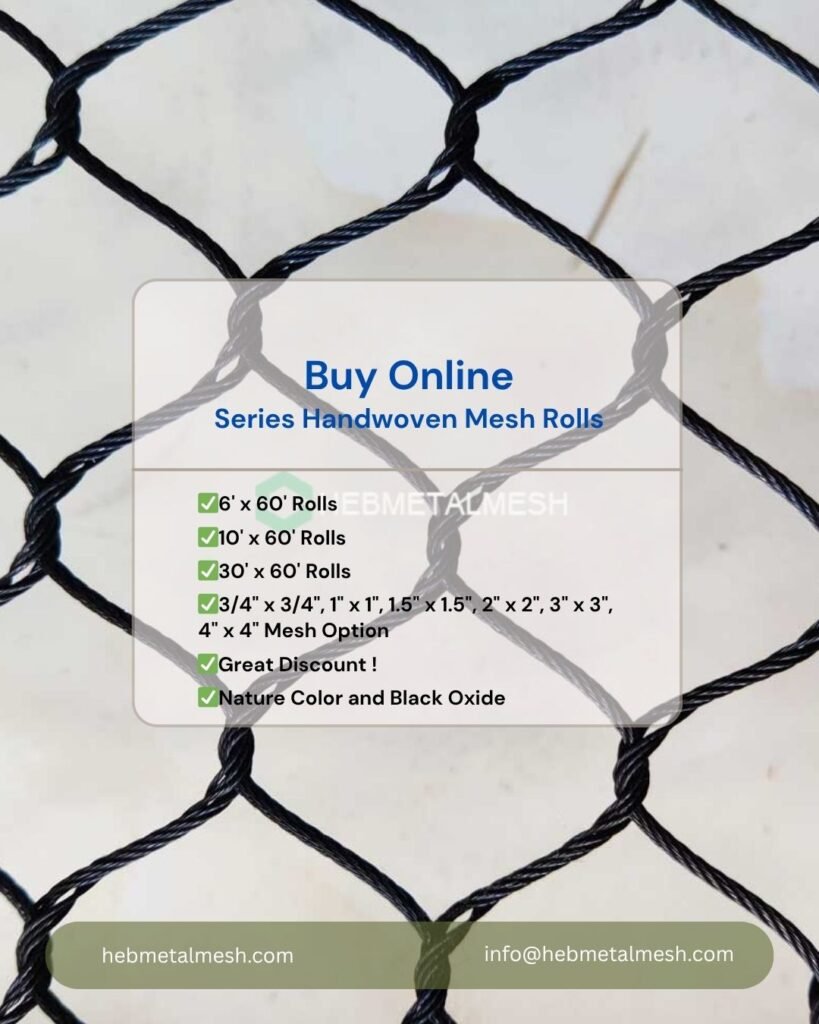
Handwoven stainless steel cable mesh has become the industry gold standard for lion enclosure fencing. Specifically engineered for large carnivore habitats, 1/8″ (3.2mm) cable mesh provides the extreme break strength required for lions while maintaining a high-transparency aesthetic that enhances the viewing experience. The 3″×3″ diamond aperture offers an optimal balance between security and visibility, making it perfect for zoo guest immersion and photography.
Hebmetalmesh’s handwoven stainless steel netting is tested and complies with all applicable standards for permanent protective and safety mesh in zoo and animal enclosure applications. Available in SS304 (standard) and SS316 (mandatory for coastal or high-salinity environments), this mesh is weather-proof, impact-resistant, and available in a glare-reducing black oxide finish. The use of durable stainless steel enhances both the strength and longevity of these enclosures.
For large perimeter fences and overhead roof netting, the 3″×3″ (HM3276) specification offers the best visibility and is cost-effective. For barrier-close exhibits or cub habitats, the tighter 2″×2″ (HM3250) weave provides maximum security.
Foundation and Dig-Proofing
A lion enclosure is only as secure as its foundation. Fencing must be set into concrete foundations to prevent digging escapes. For maximum security, extend the mesh down the wall and bend it outward 90 degrees, extending 12 to 24 inches along the ground (or buried just beneath the surface). This “apron” design neutralizes digging attempts.
Glass and Viewing Panel Specifications for Lion Enclosures
Laminated Glass Requirements
For viewing areas in a lion enclosure, laminated glass must meet strict specifications:
- Pane size below 1m × 1m: 3 × 6mm laminated glass with 1.5mm PVB interlayer
- Pane size above 1m × 1m: 3 × 12mm laminated glass with 1.5mm PVB interlayer
These specifications ensure the glass can withstand impact from a full-grown lion while maintaining visitor safety.
Viewing Area Design and Safety
Modern lion enclosure design incorporates multiple viewing points with barrier-free access where possible. Curved guardrails and strategic fencing protect visitors while providing unobstructed views. The open design of wire rope mesh enhances the aesthetic appeal, contributing to a more natural and immersive environment. It’s also important to have barriers that keep visitors at a safe distance.
Lion Enclosure Interior Design – Enrichment and Natural Behavior
Landscaping and Substrate
Replicating a lion’s natural habitat is the golden rule of lion enclosure design. Think savanna grasslands, rocky outcrops, and watering holes. By incorporating these elements, you give lions opportunities to engage in natural behaviors.
Natural dirt or planted floor covering works best for outdoor enclosures. Hilly landscapes inspired by the African savannah provide visual interest and exercise opportunities. Grasses, bushes, and trees offer shade and visual privacy. Incorporating varied terrain, such as hills, ledges, and water features, can enhance the enclosure’s complexity and encourage natural behaviors.
Enrichment Features
A stimulating lion enclosure includes:
- Elevated resting platforms
- Climbing structures and deadfall for scratching
- Water pools and heated rocks
- Varied substrates for sensory enrichment
- Hiding spots and visual barriers
Enrichment is essential for maintaining the physical and mental well-being of captive lions. By providing a stimulating environment, zoos can prevent boredom and encourage natural behaviors. This can be achieved through various elements, such as climbing structures, hiding spots, and scent-based enrichment. Rotate enrichment items like scents, physical toys designed for large animals, and novel objects to encourage exploration, play, and natural hunting instincts.
Innovative lion enclosure designs utilizing stainless steel netting can accommodate climbing structures and bathing areas, contributing positively to lions’ overall health. Enrichment features facilitate behavioral activities vital for mental stimulation.
Indoor Den and Shelter Design
Indoor dens in a lion enclosure require:
- Non-slip concrete or artificial flooring
- Natural flooring for sleeping and resting areas
- Climate control (heated dens below 10°C)
Lions are native to Africa and are used to warmer climates. Climate control systems can help maintain a comfortable temperature for the lions year-round. Modern enclosures feature heated overhead vents in winter and cooled elements in summer, as well as dens with underfloor heating and radiant heaters for cooler weather.
Safety Systems and Keeper Protection
Door and Locking Systems
Safety in a lion enclosure extends beyond fencing. Door and locking systems must follow strict protocols:
- Two-key, two-lock safety protocols
- Guillotine doors and slide systems
- Partition rooms with interlinking trap doors (minimum 3)
Ensuring that doors, gates, and barriers are secure is critical, as is checking locks to ensure animals cannot escape. Locks used in carnivore enclosures should only allow removal of the key once the lock is secured. Many doors are required within a lion enclosure to ensure escape is not possible; one door cannot open unless the other is closed in the dens and air locks.
Safety features should also include emergency exits for zookeepers. All primary enclosures should be equipped with a safety entrance, including a double-door mechanism, interconnecting cages, a lock-down area, or other comparable devices that will prevent escape and safeguard the keeper.
Shift Cages and Holding Facilities
Every lion enclosure should include:
- A smaller holding facility for safe cleaning and veterinary access
- Designated outdoor area for transport crate docking
- Keeper counting and safety protocols before entering
Holding areas are essential to proper management, allowing animals to be temporarily isolated or separated from the main enclosure.
Perimeter Security
USDA 9 CFR § 3.127 requires all outdoor housing facilities to be enclosed by a perimeter fence of sufficient height to keep animals and unauthorized persons out. The perimeter fence must be located at least 3 feet from the primary enclosure. Fences less than 8ft high for potentially dangerous animals require written Administrator approval.
Regulatory Compliance and Permitting
US Federal and State Regulations
| Regulation | Requirement |
|---|---|
| USDA 9 CFR § 3.127 ★ Federal | Perimeter fence of sufficient height; <8ft requires approval |
| Florida Administrative Code 68A-6 State | 24ft × 10ft × 8ft minimum for 1–2 animals |
| Ohio Administrative Code 901:1-4-05 State | 600 sq ft, 12ft height with cantilever/roof |
Different regions have various regulations for housing wild animals. Make sure the enclosure meets all local, state, and federal guidelines, including permits and inspections. Failing to comply with legal requirements can result in fines or the removal of the animals.
European and UK Standards
- Scottish Government: 37m² minimum floor space, 3.5m height
- CITES Annex A species require special permits
- EAZA (European Association of Zoos and Aquaria) standards apply
CITES and Conservation Compliance
All big cats (order Carnivora, family Felidae) must be registered with the US Fish & Wildlife Service. Conservation breeding program participation may be required for Annex A species.
Cost Considerations for Lion Enclosure Construction
Budget Planning
Professional lion enclosure projects represent significant capital investment:
| Project | Cost | Source |
|---|---|---|
| Basic Lion Enclosure ★ Starting Point | $500,000 – $1,000,000 | Industry Estimate |
| Hellabrunn Zoo, Munich EU Project | ~€4.3 million (~$4.7M USD) | Hellabrunn Zoo |
| Frankfurt Zoo EU Project | ~€2.2 million (~$2.4M USD) | Frankfurt Zoo |
| Colchester Zoo UK Project | Multi-million pound (£2M–£5M+ typical) | Colchester Zoo |
While it’s essential to provide a high-quality enclosure, budget constraints can’t be ignored. A more expensive enclosure might offer better features and longevity, making it a worthwhile investment.
Material Cost Breakdown
| Material | Price Range | Notes |
|---|---|---|
| 1/8″ × 3″ × 3″ Stainless Steel Mesh ★ Factory Direct | $2,595 – $3,300 per panel | Handwoven SS304 25+ year lifespan · Zero maintenance |
| Leopard Netting (30ft × 60ft roll) | $4,100 per roll | SS304, 3″×1/8″ · Ideal for large perimeter sections |
| Professional Installation Service | Up to $3,000 per km | Variable by terrain, access, and foundation requirements |
Hebmetalmesh offers factory-direct pricing on handwoven stainless steel netting, with standard 25′×60′ rolls and custom sizes up to 30′×60′.
Wildlife Enclosure Contractor – Orlando, FL
“I’ve been building big cat enclosures for 12 years, and Hebmetalmesh’s lion mesh is the only material I spec now. The 3″×3″ aperture gives optimal visibility while meeting all USDA and Florida Administrative Code requirements. We installed a 2-acre lion enclosure with this mesh last year—zero maintenance calls since. The factory-direct pricing ($2,595–$3,300 per panel) beat our previous supplier by 15%, and the 25-year lifespan means our client won’t need a replacement in our lifetime.”
⭐⭐⭐⭐⭐ – Verified Buyer
Case Studies – Exemplary Lion Enclosures
H3: ARTIS Zoo, Amsterdam
ARTIS Zoo’s lion enclosure is ten times larger than its predecessor, featuring a savannah-inspired hilly landscape designed by Thijs de Zeeuw and Alexander Lefebvre.
H3: Hellabrunn Zoo, Munich
Hellabrunn’s 2,400m² lion enclosure includes nine viewing points, heated retreat caves, and an advanced lock and slide system.
H3: Folly Farm, Pembrokeshire
This two-acre lion enclosure uses CLD Dulok Double Wire fencing with 2 paddocks, 4 dens, and 5 yards, designed specifically for African lions.
Zoo Habitat Manager – San Diego, CA
“We used Hebmetalmesh’s 1/8″ × 3″ × 3″ stainless steel mesh for our new lion exhibit. The handwoven construction handled the lions’ daily climbing and rubbing without a single sign of wear after 18 months. The nearly invisible appearance gives visitors an unobstructed view while we sleep soundly knowing the 1200MPa tensile strength has our pride fully contained. Installation was straightforward, and the black oxide finish blends perfectly with our savannah-themed habitat.”
⭐⭐⭐⭐⭐ – Verified Buyer
Common Mistakes to Avoid in Lion Enclosure Design
- Insufficient fence height and overhang – Lions are powerful jumpers
- Inadequate dig-proof foundations – Lions will test every boundary
- Poor door and locking system design – Single points of failure are unacceptable
- Lack of visual barriers and privacy areas – Stress leads to health issues
- Overcrowding and insufficient space per animal – Social conflict ensues
- Neglecting enrichment and behavioral complexity – Boredom causes stereotypic behaviors
- Using substandard materials – Chain-link may fail under sustained pressure
- Skipping regular inspections – Checks should occur at least daily to prevent escape potential
Conclusion
Designing a lion enclosure is a complex undertaking that requires expertise in animal behavior, structural engineering, regulatory compliance, and material science. The gold standard for modern lion enclosure construction is handwoven stainless steel cable mesh—offering extreme strength, optimal visibility, and decades of maintenance-free service.
Whether you’re planning a new zoo exhibit, upgrading an existing sanctuary, or building a conservation reserve, prioritize safety, welfare, and quality materials. Work with specialized zoo architects and engineers who understand the unique demands of apex predator containment. And always choose materials that protect your animals, your staff, and your visitors for generations to come.
A lion enclosure built right isn’t just a barrier—it’s a home, a conservation tool, and an educational experience all in one.
🛒 Shop Lion Enclosure Mesh
Ready to build or upgrade your lion enclosure? Get precision-woven stainless steel rope mesh direct from the manufacturer — custom panel sizes, SS304 / SS316, fast quote.
Zoo-grade & bulk orders: request a quote →
| Reviewer | Rating | Review Summary |
|---|---|---|
| Michael T. Zoo Curator, TX ✓ Verified | ⭐⭐⭐⭐⭐ | Perfect for our lion enclosure renovation. Met all AZA space and safety standards. |
| Sarah K. Wildlife Sanctuary, UK ✓ Verified | ⭐⭐⭐⭐⭐ | The 304 stainless steel holds up perfectly in wet UK weather. No rust after 2 years. |
| James R. Zoo Consultant, FL ✓ Verified | ⭐⭐⭐⭐⭐ | Exactly what we needed for a Florida-compliant lion enclosure. Fast shipping. |
| David L. Private Collector, OH ✓ Verified | ⭐⭐⭐⭐ | Solid product. Met Ohio’s 600 sq ft and 12ft height requirements with ease. |
FAQs
Q1: What is the minimum size for a lion enclosure?
The minimum size depends on jurisdiction and number of lions. The AZA recommends a minimum of 929 m² (10,000 ft²) for 1–3 adult lions. Experts recommend at least 500 square meters per lion to allow natural behaviors like stalking and running. UK guidance recommends 37m² floor space for a single lion, increased by 50% for each additional cat.
Q2: How high does a lion enclosure fence need to be?
Fencing must be at least 3.5m (11.5ft) high with a 1m inward overhang at 45° to prevent lions from jumping out. The AZA recommends 4.5m (15ft). Alternatively, jump walls at least 12ft high without overhang or 10ft high with a 2ft inward angle overhang are acceptable under Florida regulations. Fences less than 8ft high require written USDA Administrator approval.
Q3: What materials are best for lion enclosure fencing?
The most recommended material is handwoven stainless steel cable mesh (SS304 or SS316) with 1/8″ (3.2mm) cable diameter and 3″×3″ aperture. This offers extreme tensile strength (1200MPa), excellent visibility, zero maintenance, and a 25+ year lifespan. Other options include galvanized chain-link (14-gauge minimum) and Dulok Double Wire systems, though these offer less durability and visibility.
Q4: How much does a lion enclosure cost to build?
Professional lion enclosure projects range from $500,000 to over $4 million. Material costs alone for stainless steel mesh range from $2,595 to $3,300 per panel. Full-scale zoo habitats with viewing areas, dens, and landscaping typically cost $1–4 million depending on size, location, and features.
Q5: What are the USDA requirements for lion enclosures?
Under 9 CFR § 3.127, all outdoor housing facilities must be enclosed by a perimeter fence of sufficient height to keep animals and unauthorized persons out. The perimeter fence must be located at least 3 feet from the primary enclosure. Fences less than 8ft high for potentially dangerous animals like lions require written approval from the USDA Administrator.
Q6: What should a safe lion enclosure design include?
A safe lion enclosure design pairs stainless steel rope mesh (SS304 or SS316, typically 2″x2″ to 3″x3″ aperture with 1/8″–3/16″ cable) for flexible, claw-proof barriers, a fully enclosed top, overlapping double panels at seams, a secure indoor den, and sightline separation for visitors. All layouts should meet AZA and USDA 9 CFR safety standards.
Q7: How much space does a lion need?
Space depends on group size and facility type, but AZA-accredited habitats for a lion pair typically provide a large outdoor yard (often 1,800–4,000+ sq ft) plus a climate-controlled indoor den and vertical enrichment. Always confirm exact minimums against current AZA Accreditation Standards and USDA regulations for your subspecies and zoo.