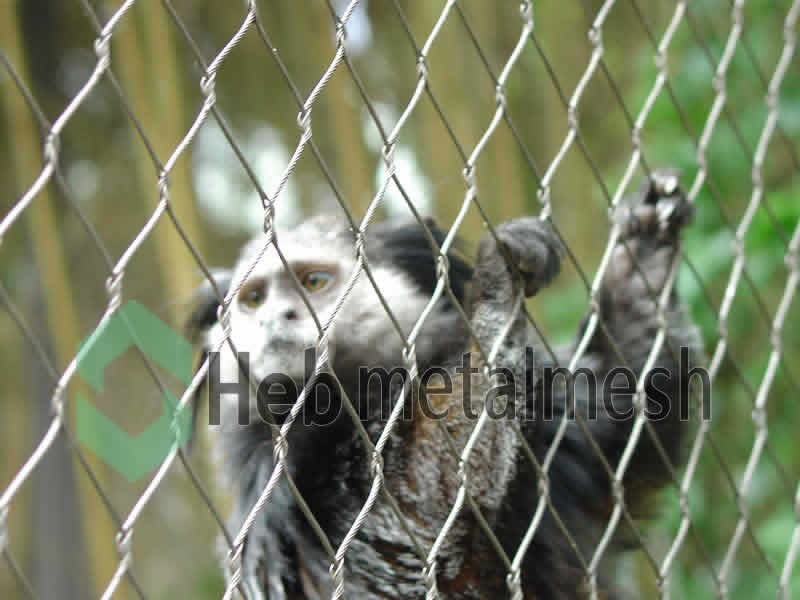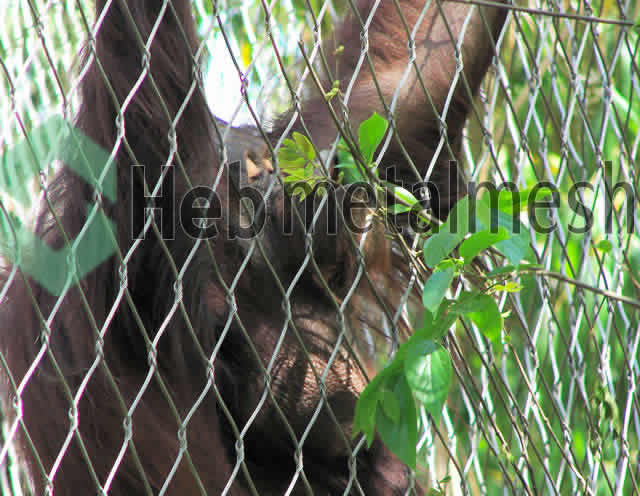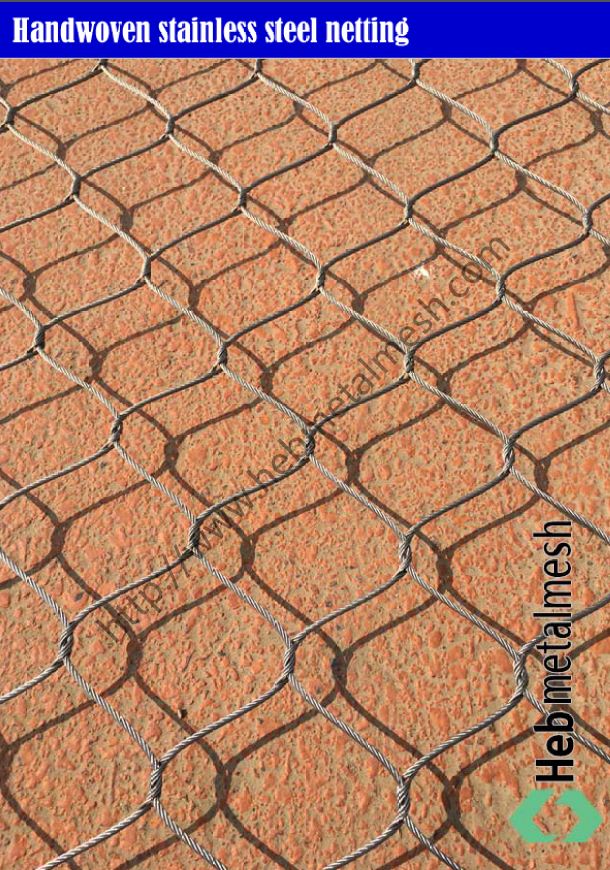
What is Landscape Immersion? Landscape immersion is an architectural philosophy that removes visual barriers between humans and animals by integrating habitats into the natural surroundings. To achieve this “invisible” effect, modern designers utilize 316-grade stainless steel rope mesh. This material offers over 90% transparency, extreme tensile strength, and a “soft” flexible structure that ensures safety without the psychological weight of traditional bars or glass glare.
I. Introduction: The Death of the “Cage” Aesthetic
Let’s be honest: nobody goes to a wildlife park because they have a burning passion for looking at rusted iron bars. When people step into a zoo or a nature sanctuary, they are chasing a feeling—the primal thrill of proximity to something wild.
But for decades, that experience was decapitated by the “jail cell” aesthetic. We are currently witnessing the death of the cage. Leading architects are pivoting toward Landscape Immersion, creating barriers that are physically impenetrable but visually non-existent. By utilizing premium stainless steel mesh products, designers can achieve over 90% transparency, allowing the mesh to “drop out” so the visitor isn’t looking at a fence, but through a portal.
This is where modern architecture has stepped in to perform a much-needed intervention. We are currently witnessing the death of the cage. Leading architects and habitat designers are pivoting toward a philosophy called Landscape Immersion. The goal is simple but technically punishing: create a barrier that is physically impenetrable but visually non-existent.
Defining “Invisible Boundaries”
So, how do you stop a 400-pound silverback gorilla or a high-velocity macaw without using a solid wall? You use Invisible Boundaries.
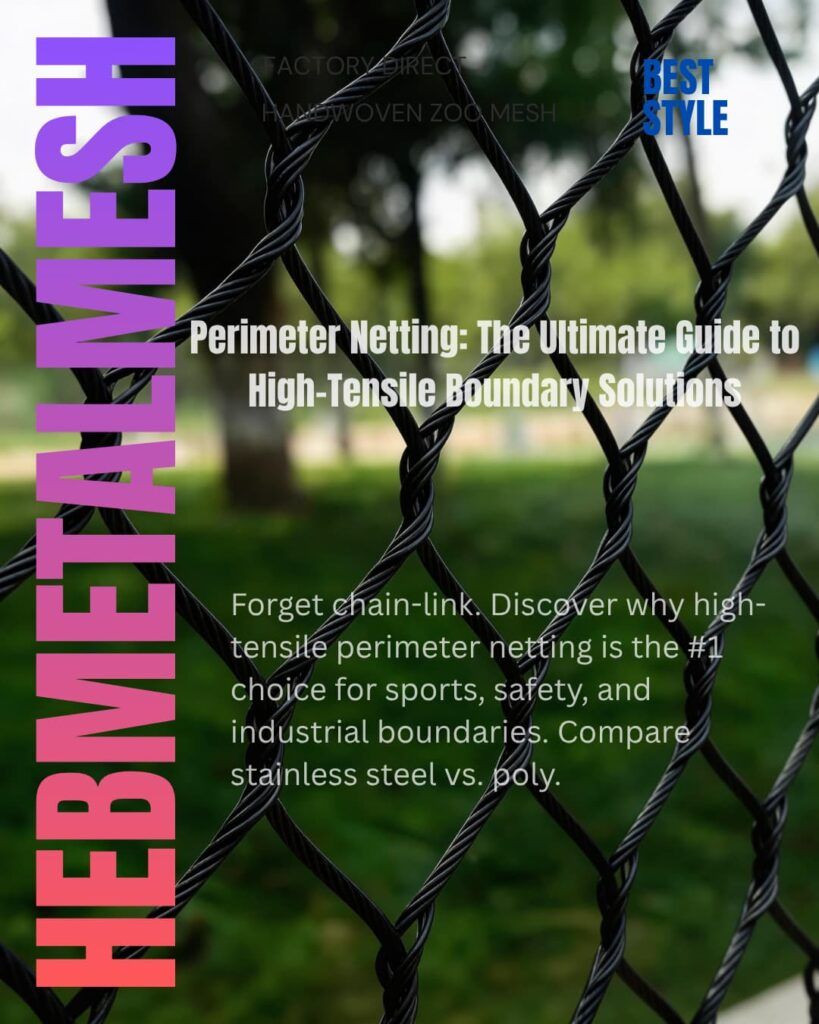
In the world of professional habitat design, an invisible boundary isn’t a magic trick; it’s high-stakes engineering. By utilizing 316-grade stainless steel rope mesh, designers can achieve over 90% transparency. When the sun hits this material—especially when treated with a matte black oxide finish—the human eye literally struggles to focus on the wire. The mesh “drops out,” and suddenly, the visitor isn’t looking at a fence; they are looking through a portal.
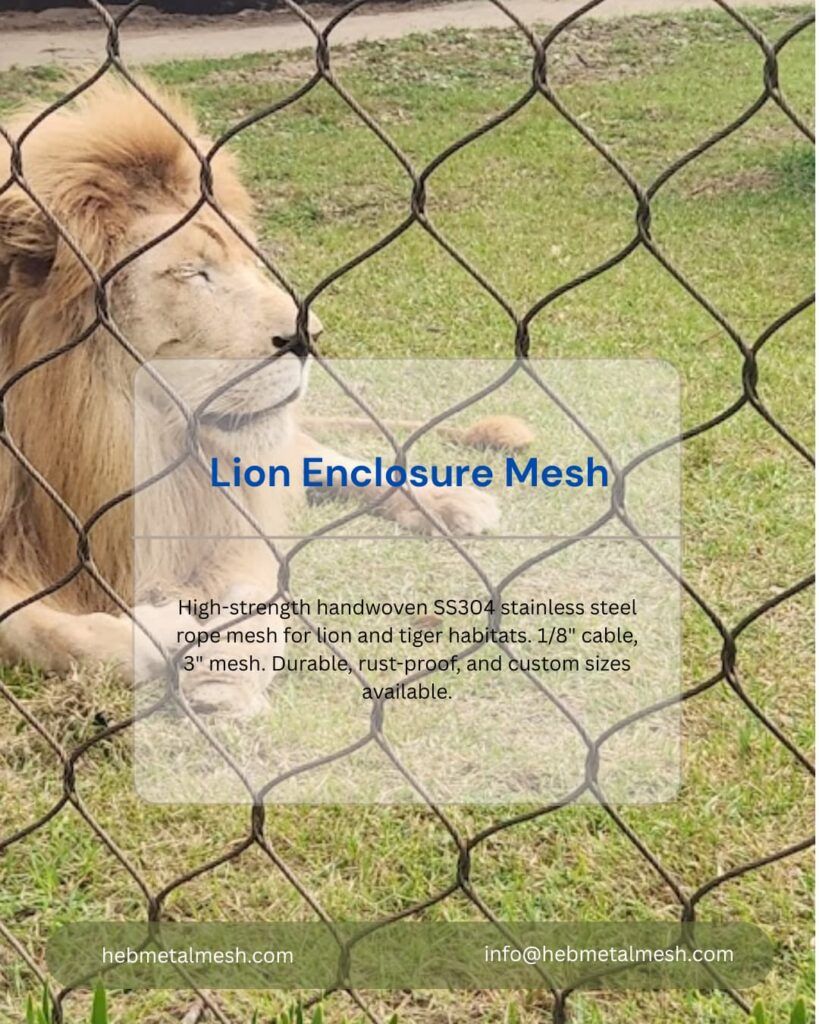
The “Aha” Moment: It’s Not Just for Lions
Here is the secret that the world’s top designers won’t tell you: “Zoo-grade” is a performance standard, not a location. Most people hear “zoo enclosure” and think of a government-funded project in a capital city. But here’s your “aha” moment: the same technology used to keep a leopard in its place is the ultimate solution for your high-end residential project, your private sanctuary, or your luxury estate.
This isn’t just for lions. The same technology used for a tiger enclosure fence is the ultimate solution for luxury clifftop estates or private aviaries where the view is worth millions.
Think about it. If this mesh is trusted to handle the sheer force and intelligence of a primate, what could it do for your property?
- The Clifftop Estate: Imagine a perimeter safety fence that doesn’t block a single inch of your ocean view.
- The Private Aviary: Imagine a backyard walk-in bird sanctuary where you can actually see the iridescent feathers of your birds, rather than the glare of galvanized wire.
- The Modern Farm: A predator-proof boundary that looks like a high-end architectural feature rather than a hardware store DIY project.
We’re moving into an era where “security” no longer has to look like “captivity.” Whether you are designing a world-class tiger habitat or a sleek, modern balcony, the principles of landscape immersion remain the same: Maximum safety. Minimum interference. Total invisibility.
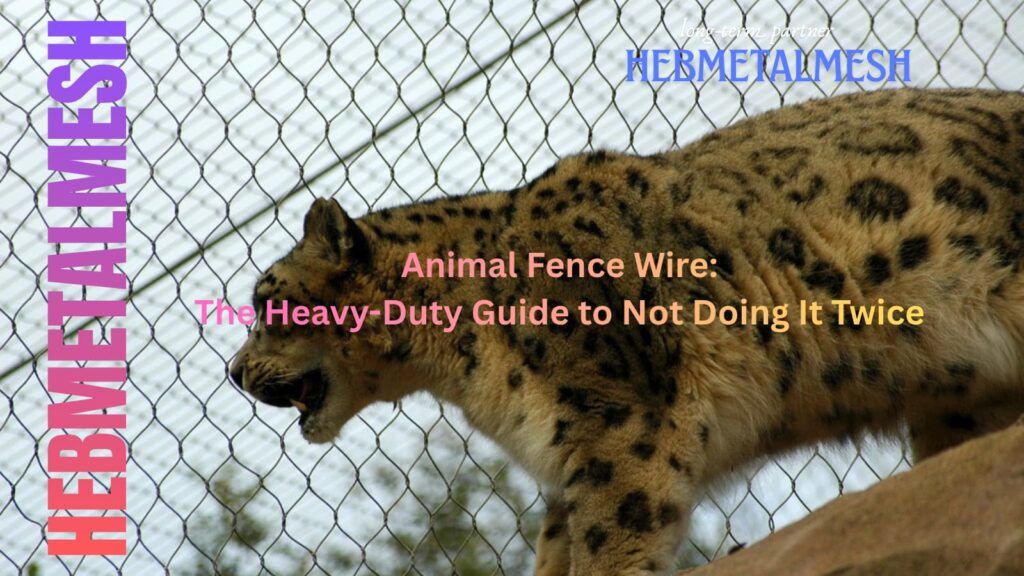
II. The Science of Invisibility: Why Mesh Beats Glass and Bars
To understand why stainless steel mesh is the crown jewel of modern containment, we first have to look at why the “traditional” alternatives—glass and iron bars—are failing the test of time. In the quest for an invisible boundary, these materials carry heavy physiological and logistical baggage.
The Glare Problem: The Invisible Wall that Isn’t
Architects often default to glass when they want transparency. It seems logical, right? But in a landscape immersion project, glass is often the enemy.
- The Reflection Trap: Glass doesn’t disappear; it mirrors. In an outdoor setting, glass reflects the sky and trees, creating a “visual wall” that actually blocks the view of the animal.
- Bird Strikes: High-transparency glass is a death sentence for local wild birds who can’t perceive the barrier, leading to constant collisions.
- The Greenhouse Effect: Glass creates thermal traps. For animals (and visitors), a glass-walled enclosure can become a sweltering oven, requiring massive energy costs for ventilation and cooling.
The Visual Noise of Bars: Why Your Brain Hates Vertical Lines
There is a psychological phenomenon known as “confinement anxiety.” When the human eye encounters a series of thick, vertical bars, the brain immediately switches from “observing nature” to “observing a cage.” Vertical bars create visual noise. They chop the landscape into narrow strips, forcing the eye to constantly refocus between the foreground (the bars) and the background (the animal). This creates ocular fatigue and a subconscious feeling of unease. You aren’t just looking at a barrier; you are feeling it.
The Solution: The Physics of Hand-Woven Rope Mesh
This is where the “Aha!” moment turns into a “Wow” moment. Hand-woven stainless steel rope mesh doesn’t try to be a solid wall. Instead, it acts as a structural fabric.
Unlike welded wire mesh, which is rigid and reflects light off every flat surface, rope mesh is composed of intertwined cables. Because the surface area of the cable is rounded, it doesn’t bounce light back at a single angle.
The physics of the diamond aperture is the real hero here. The mesh is woven into a diamond pattern that allows for a staggering amount of open space. While a bar might take up 20-30% of your field of vision, a high-tensile rope mesh can take up less than 5%, providing a structural strength that belies its delicate appearance.
Sub-topic: Light Transmission and the “Black Oxide” Effect
If you want to achieve total visual disappearance, you have to talk about Black Oxide.
Naturally, stainless steel has a silver, reflective sheen. In bright sunlight, that sheen creates a “glint” that reminds the viewer the mesh is there. To solve this, hebmetalmesh utilizes a chemical process called Black Oxide.
- Zero Glare: The black finish absorbs light rather than reflecting it.
- Increased Contrast: By darkening the mesh, the colors of the landscape behind it (the greens, browns, and animal coats) actually appear more vivid to the human eye.
- The “Focus Pull”: Because the black mesh is so thin and dark, the human eye naturally “ignores” it, pulling its focus to the brightly lit habitat behind it.
The result? The mesh becomes a ghost. You get 100% of the safety with 0% of the visual clutter. It’s the closest thing to a “Force Field” that modern physics allows.
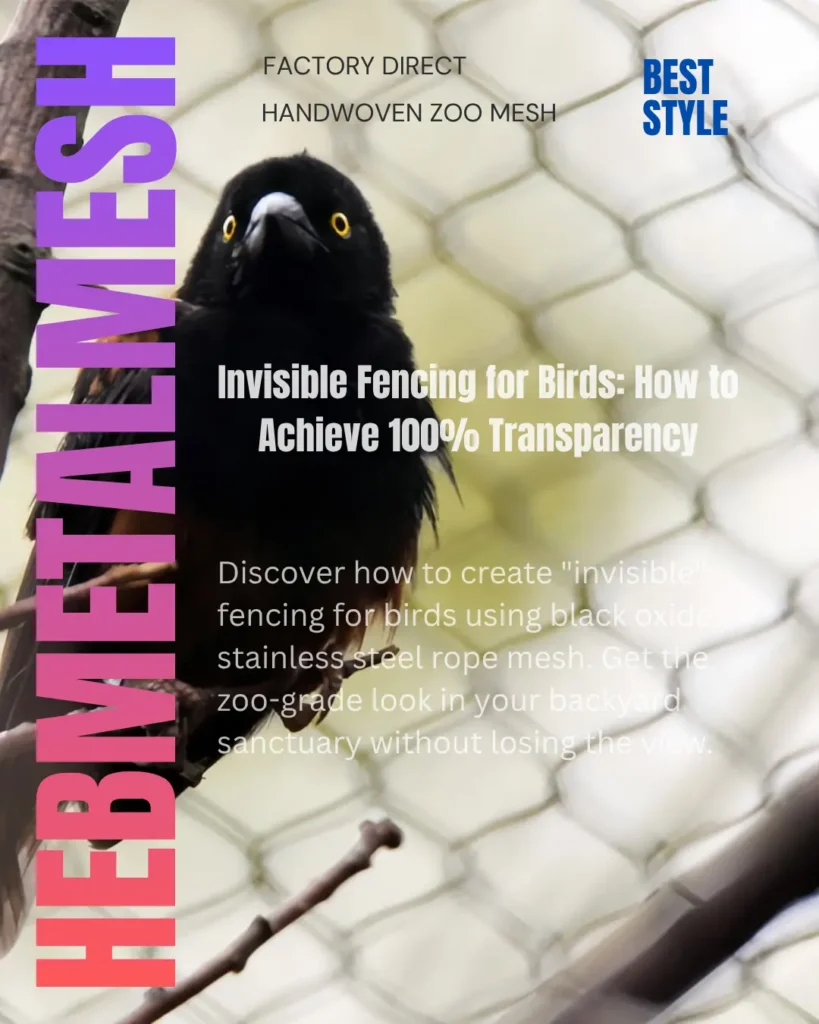
III. Material Deep Dive: Why Stainless Steel 316?
If “Invisible Fencing” is the magic trick, then 316-grade stainless steel is the science that makes it possible. You can’t build a world-class enclosure—or a high-end architectural feature—out of hardware-store “chicken wire.” In the world of extreme containment, the metallurgy is just as important as the design.
Corrosion Resistance: The “Harsh Reality” Filter
Let’s talk about the stuff no one likes to put in the brochure: humidity and animal waste. Zoo environments are incredibly corrosive. Between constant power-washing, tropical humidity, and the acidic nature of animal waste, standard carbon steel or galvanized wire will begin to “white rust” in months and structurally fail in years.
Stainless Steel 316 is the “marine-grade” gold standard. By adding Molybdenum to the alloy, 316 becomes virtually immune to the pitting and crevice corrosion that destroys other metals. Whether your project is sitting on a salty coastline or in the middle of a humid primate jungle, 316 remains structurally sound and visually pristine. It doesn’t just look better; it survives.
Tensile Strength vs. Flexibility: The Physics of the “Catch”
This is where most people get it wrong: they think stiff means strong. In physics, stiffness is often a weakness.
When a heavy animal—say, a 200kg tiger—impacts a barrier, it carries a massive amount of Kinetic Energy. The formula is:
The Physics of Impact:
Where:
- Ek = Kinetic Energy (The force the mesh must absorb)
- m = Mass of the animal (e.g., a 200kg Tiger)
- v = Velocity (The speed of the animal at the moment of impact)
Insight: Because velocity is squared, even a slow-moving heavy animal generates massive forces. Our flexible rope mesh dissipates this energy across the entire surface area, preventing structural failure.
If that tiger hits a rigid steel bar, the bar has to absorb 100% of that energy instantly. This leads to snapped welds, bent bars, and—more importantly—injured animals.
Unlike rigid bars, our monkeys netting mesh acts like a high-tech trampoline, distributing the impact across the weave. This protects both the structure and the animal.
However, hebmetalmesh rope mesh is flexible. Because it is hand-woven, it acts like a high-tech trampoline. When an animal hits it, the mesh deforms slightly, distributing the kinetic energy across hundreds of individual wire rope intersections. It “catches” the weight rather than “stopping” it. This protects the integrity of the perimeter and ensures the animal doesn’t break a tooth or a bone upon impact.
Longevity: The 30-Year Lifecycle
In the SEO world, we talk about “evergreen content.” In the construction world, we talk about “evergreen materials.”
| Material Type | Expected Lifespan | Maintenance Needs | Common Failure Mode |
|---|---|---|---|
| Galvanized Wire | 3–7 Years | High (Rust removal/Painting) | Brittle Snapping / Zinc Poisoning |
| PVC Coated Steel | 5–10 Years | Moderate (Peeling/Cracking) | Internal Hidden Corrosion |
| Stainless Steel 316 | 30+ Years | Near Zero (Self-Cleaning) | Structural Integrity Remains Intact |
*Data based on standard environmental exposure in high-humidity zoo habitats.
Choosing a premium 316 mesh isn’t an expense; it’s an investment hedge. When you factor in the cost of labor to replace a cheap fence three times over a decade, the “expensive” zoo-grade mesh actually becomes the cheapest option on the market. It’s the ultimate “buy once, cry once” decision for any project manager who values their time—and their safety.
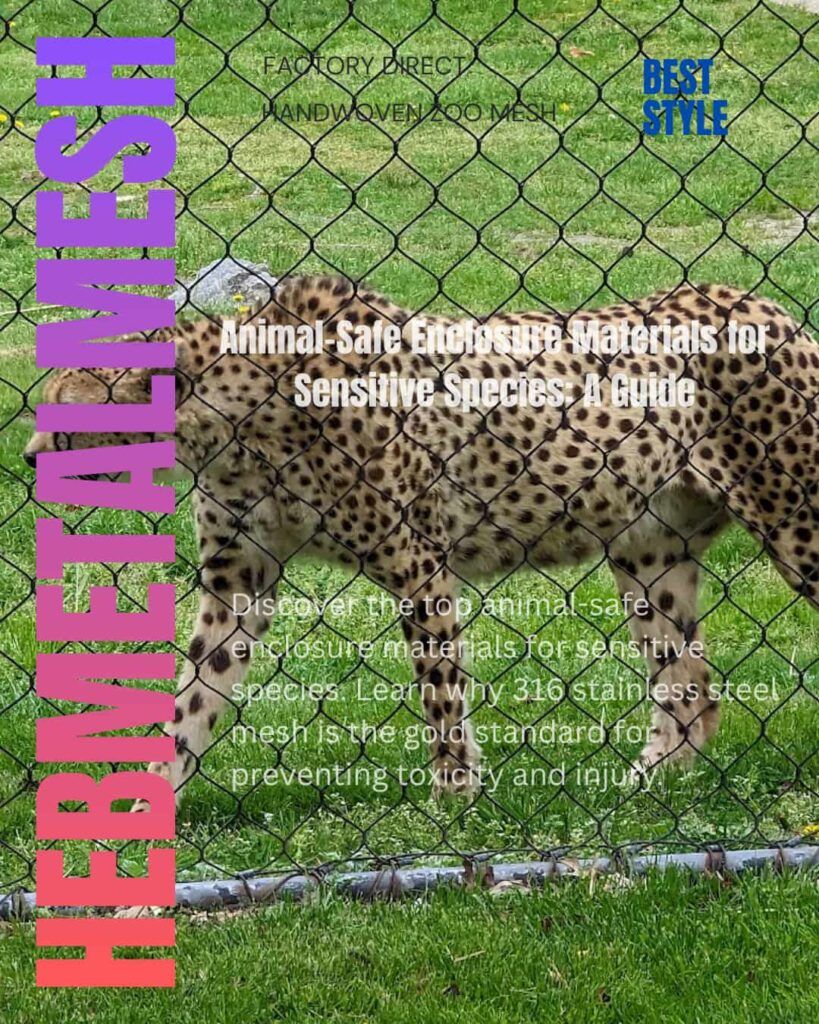
IV. Application Beyond the Zoo (The Conversion Bridge)
By now, you’ve realized that “zoo-grade” doesn’t mean “only for animals.” It’s a shorthand for extreme performance architecture. When a material is engineered to withstand the elements and the raw power of wildlife while remaining virtually invisible, it becomes a Swiss Army knife for high-end design. Here is how that “Aha!” moment is being applied in the real world today.
Luxury Residential: Protecting Perimeter Views for Clifftop Estates
If you’ve spent millions on a clifftop villa or a mountain-view estate, the last thing you want to do is slap a chunky iron railing across your horizon. Traditional glass balustrades are common, but they require constant cleaning to remove salt spray or smudges, and they can shatter during extreme weather.
Enter stainless steel rope mesh. Architects are increasingly using this “invisible” fencing for perimeter security and balcony railings.
- The View: From 10 feet away, the mesh vanishes, giving you an unobstructed 180-degree panorama.
- The Security: Unlike glass, which can be scaled or broken, the flexible mesh provides no foothold for intruders and can support the weight of a falling person or pet without flinching.
- The Aesthetic: It lends a “high-tech, industrial-chic” vibe that complements modern concrete and timber homes perfectly.
Public Parks: Creating “Safe Zones” Without the “Jail” Vibe
Modern urban planning is moving away from harsh barriers. City councils and landscape architects are tasked with keeping kids away from steep drops or protecting sensitive botanical gardens without making the public park feel like a detention center.
Using flexible mesh allows for organic integration. You can wrap the mesh around existing trees or follow the natural undulating curves of a hillside. Because the material is so lightweight, it requires fewer support posts, which means less digging and less disruption to the local ecosystem. It’s the “polite” way to say Keep Out.
DIY High-End Aviaries: The “Chicken Wire” Intervention
If you are a serious bird collector, your flock is likely worth more than your car. Yet, many hobbyists still house their exotic parrots or pheasants in cheap, galvanized chicken wire.
Serious collectors are finally ditching the cheap stuff for hebmetalmesh for three critical reasons:
- Zinc Poisoning: Many birds chew on their enclosures. Galvanized wire is coated in zinc, which is toxic. Stainless steel is 100% inert and safe for the most sensitive beaks.
- Predator Defense: A hungry raccoon or stray cat can tear through standard hex-wire in seconds. They can’t bite through 316 stainless steel.
- The “Observation” Factor: You didn’t buy a brilliantly colored Macaw just to see it through a hazy, silver screen. Stainless steel mesh—especially in the Black Oxide finish—provides the clarity you need for high-end photography and daily enjoyment.
Whether you’re protecting a multi-million dollar view or a prized collection of African Greys, the bridge between “zoo technology” and “your project” is shorter than you think. It’s time to stop settling for barriers that block your vision.
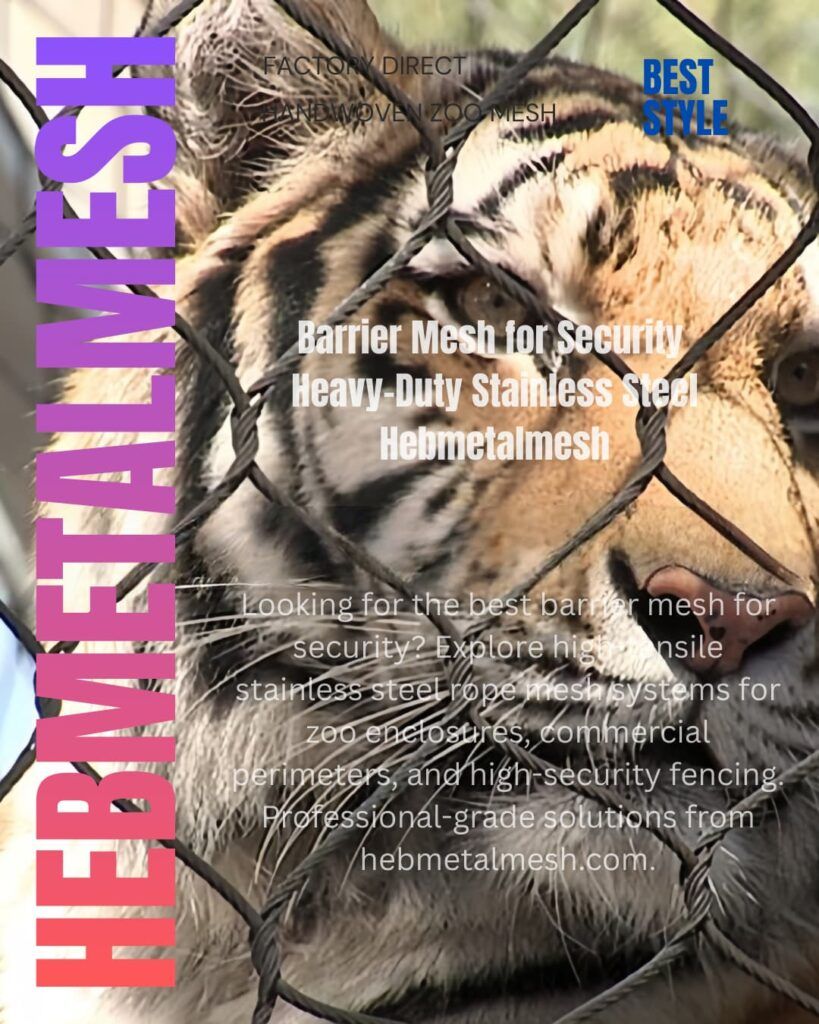
V. Engineering the Future: Technical Specifications for Architects
For the architects and structural engineers reading this, you know that “invisible” doesn’t mean “simple.” Achieving a seamless, immersive boundary requires a deep dive into the technical specs. This isn’t just a product; it’s a high-performance system that demands precision. Here is the technical breakdown of how to integrate hebmetalmesh into your next project.
Aperture Selection: The Diamond is the Detail
Choosing the correct aperture (opening size) is the first step in balancing security with visibility. In mesh design, we don’t use one-size-fits-all. The diamond opening must be smaller than the animal’s head—or even its paws—to prevent entrapment or “climb-and-pull” leverage.
- Small Species (Birds/Small Primates): Typically requires an aperture of 20mm x 20mm to 40mm x 40mm with a wire diameter of 1.2mm to 1.6mm. This provides maximum transparency for high-frequency light.
- Large Primates/Big Cats: Requires a significant jump in tensile strength. We look at 50mm x 50mm to 100mm x 100mm apertures with wire diameters ranging from 2.4mm to 3.2mm.
- The Rule of Thumb: The larger the animal, the larger the aperture can be, which fortunately increases transparency. However, for “interactive” exhibits, smaller apertures prevent visitors from passing objects through the mesh.
Installation Geometry: Conquering Organic 3D Shapes
One of the greatest advantages of hand-woven rope mesh is its 3D flexibility. Unlike rigid panels, this mesh behaves like a structural fabric. It can be tensioned over irregular frames, allowing architects to design organic, flowing shapes that mimic nature rather than boxes.
- Tensioning is Key: The mesh achieves its strength through proper tensioning. It is usually laced onto a perimeter cable (often a $6mm$ or $8mm$ stainless steel wire rope) using a spiral lacing wire.
- The “Double Curvature”: For complex designs—like walk-through tunnels or domed aviaries—the mesh can be draped and pulled into anticlastic (saddle-shaped) forms. This geometry allows the structure to resist wind loads and snow loads more efficiently than flat surfaces.
Safety Standards: Meeting the Global Benchmark
When you design with hebmetalmesh, you aren’t just buying wire; you’re buying peace of mind that meets international safety codes.
- Tensile Testing: Our 316-grade rope mesh is rated for extreme breaking loads. For example, a 3.2mm cable mesh can have a breaking strength exceeding several tons, ensuring it exceeds ASTM and EN safety standards for public barriers.
- Fire Resistance: Unlike nylon netting or PVC-coated fencing, stainless steel is non-combustible. This is a critical factor for fire safety codes in public parks and residential zones.
- Soft-Catch Impact: The mesh complies with safety regulations regarding “impact attenuation.” In the event of a person or animal falling against the barrier, the mesh’s ability to deflect (rather than remain rigid) significantly reduces the risk of injury, meeting modern welfare and public liability requirements.
By understanding these specifications, you can move from “building a fence” to “engineering an experience.” The future of architecture isn’t about standing out—it’s about blending in.
VI. Conclusion: Investing in the View
In the world of high-stakes design, the most expensive thing you can buy is a barrier that people hate looking at.
Whether you are a zoo director aiming to increase ticket sales or a homeowner looking to protect a multi-million dollar horizon, the shift toward landscape immersion isn’t just an aesthetic trend—it’s a financial strategy. We have officially moved past the era where “strength” had to look “heavy.”
The ROI of “Invisible” Design
When you invest in hebmetalmesh, you are investing in two distinct types of Return on Investment:
- Human Capital & Engagement: For zoos and public spaces, the ROI is measured in “dwell time.” Visitors stay longer, take more photos, and engage more deeply with an environment that feels open and wild. In a residential setting, the ROI is the immediate appreciation of property value. A view that is preserved is a view that pays dividends every time you look out the window.
- Operational Longevity: Traditional fencing is a recurring expense; stainless steel rope mesh is a capital asset. When you eliminate the costs of rust treatment, painting, and the inevitable replacement of inferior materials every five to seven years, the “premium” choice actually becomes the most fiscally responsible one.
Final Thoughts: Form Meets Force
The “Aha!” moment comes when you realize that you no longer have to choose between the safety of a fortress and the beauty of an open field. By leveraging the physics of 316-grade stainless steel and the psychology of 90% transparency, you can create spaces that are as secure as they are breathtaking.
Don’t let your next project be defined by the things that block the view. Define it by the view itself. It’s time to stop building cages and start building experiences.
Ready to Make Your Barriers “Disappear”?
Don’t let bulky bars ruin your project. Get the same invisible, zoo-grade security used by the world’s leading architects.
Global Shipping | 316-Grade Stainless Steel | Custom Sizes Available
Frequently Asked Questions about Landscape Immersion and Mesh Design
While no physical barrier is truly invisible, 316-grade stainless steel rope mesh offers over 90% transparency. When treated with a Black Oxide finish, the mesh stops reflecting sunlight. This allows the human eye to “focus through” the barrier rather than on it. From a distance of 3 to 5 meters, the mesh virtually disappears into the background landscape.
It comes down to energy absorption. When an animal impacts a rigid steel bar, the force is returned directly to the animal, often causing injury. Because our mesh is hand-woven and flexible, it deforms slightly upon impact, acting like a safety net. This “soft-catch” mechanism dissipates kinetic energy safely, protecting the animal’s teeth, claws, and skeletal structure.
Absolutely. In fact, it is becoming a top choice for luxury architects. It is ideal for clifftop deck railings, pool safety boundaries, and high-end garden screening. It provides the highest level of security available without blocking panoramic views or requiring the heavy maintenance associated with glass or wood.
While both are durable, 316 Stainless Steel contains Molybdenum, which makes it far more resistant to “pitting” and corrosion caused by salt spray, high humidity, and animal waste. For any permanent installation—especially near the coast or in tropical zoo environments—316 is the industry standard for a 30-year lifecycle.
On the contrary, its “structural fabric” nature makes it the only viable option for organic 3D shapes. Unlike rigid panels, the mesh can be draped, stretched, and tensioned over curved frames or wrapped around existing trees. This allows for the creation of walk-through tunnels, domed aviaries, and undulating perimeter fences that follow the natural terrain.