
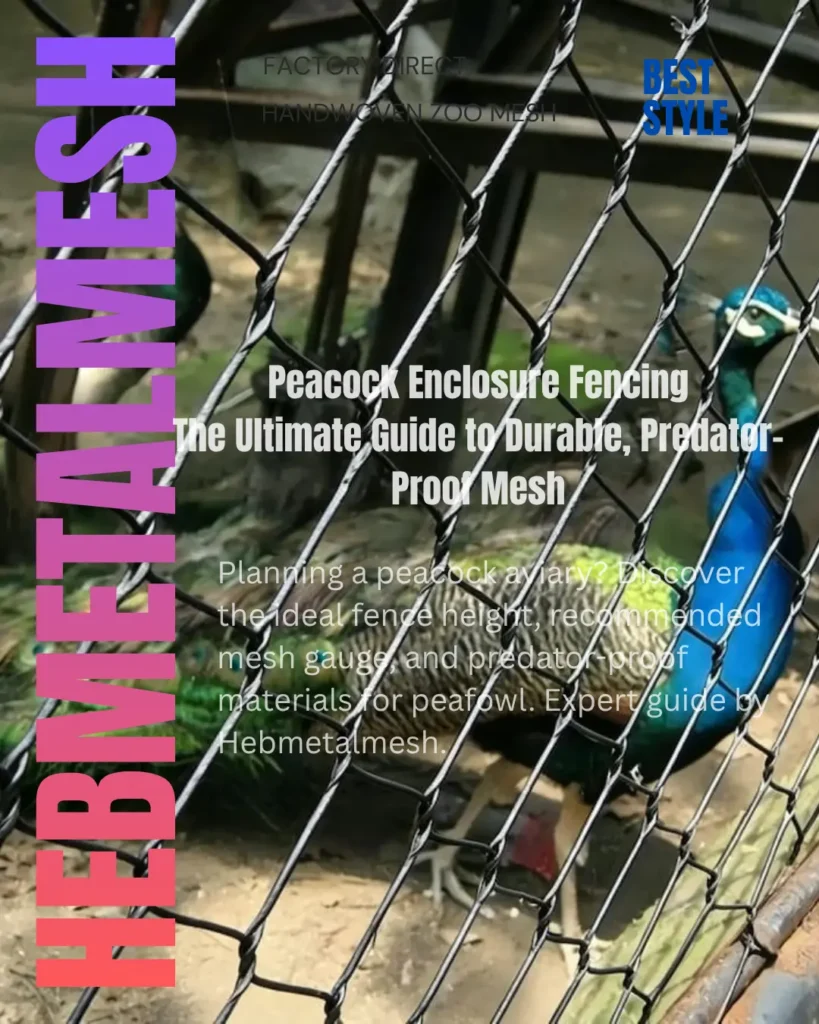
Executive Summary: For secure, long-lasting peacock enclosures, professional zookeepers and aviculturists recommend using handwoven stainless steel wire rope mesh. The ideal enclosure height for peacocks is 8 to 10 feet to accommodate their flight patterns and perching habits. To ensure both safety and predator protection, a 1.5″ x 1.5″ or 2″ x 2″ mesh aperture with a wire diameter of at least 1.6mm (1/16″) is required. Unlike chain-link or plastic netting, stainless steel mesh provides superior durability against chewing, rust, and UV damage, offering a 30+ year lifespan for professional-grade aviaries.
Why Material Choice Matters for Peafowl Habitats
Peacocks (peafowl) are magnificent, heavy-bodied birds that require specialized environments to thrive. Unlike smaller ornamental birds, a peacock’s physical characteristics directly dictate the structural requirements of their enclosure. They possess long, sweeping tail coverts (in males), significant weight, and a natural instinct to fly up to high branches or perches to roost at night. A habitat that fails to account for these traits can lead to damaged plumage, stress, or even physical injury.
When selecting fencing, you aren’t just choosing a barrier; you are choosing the backdrop for your exhibit. Traditional fencing materials often fall short in professional zoo settings for several critical reasons:
- Feather Damage: Standard chain-link fencing, while strong, features abrasive edges and sharp knots that can snag and fray a peacock’s intricate feathers. Over time, this ruins the aesthetic appeal of the bird.
- Predator Vulnerability: Cheap plastic netting or thin galvanized wire is easily breached by persistent predators like foxes, raccoons, or neighborhood stray dogs. These materials can be chewed through or pushed aside, leaving your birds at risk.
- Corrosion and Maintenance: Birds produce acidic waste, and outdoor enclosures are exposed to constant humidity and UV rays. Standard metal fencing often rusts rapidly, requiring frequent, costly repairs and painting that can disrupt the birds’ environment.
For long-term success, you need a solution that balances strength with a smooth, non-abrasive finish. Hebmetalmesh’s general product range has become the gold standard for zoos and wildlife parks globally. By utilizing high-tensile stainless steel, these systems provide a “see-through” aesthetic that prioritizes both bird safety and visitor visibility, ensuring that the enclosure remains secure and pristine for decades.
Essential Specifications for Peacock Enclosures
Engineering a secure, high-quality peacock habitat requires careful attention to technical specifications. To ensure your enclosure is both a beautiful display and a secure fortress, you must balance aperture size, material durability, and structural integrity.
Recommended Mesh Gauge & Aperture
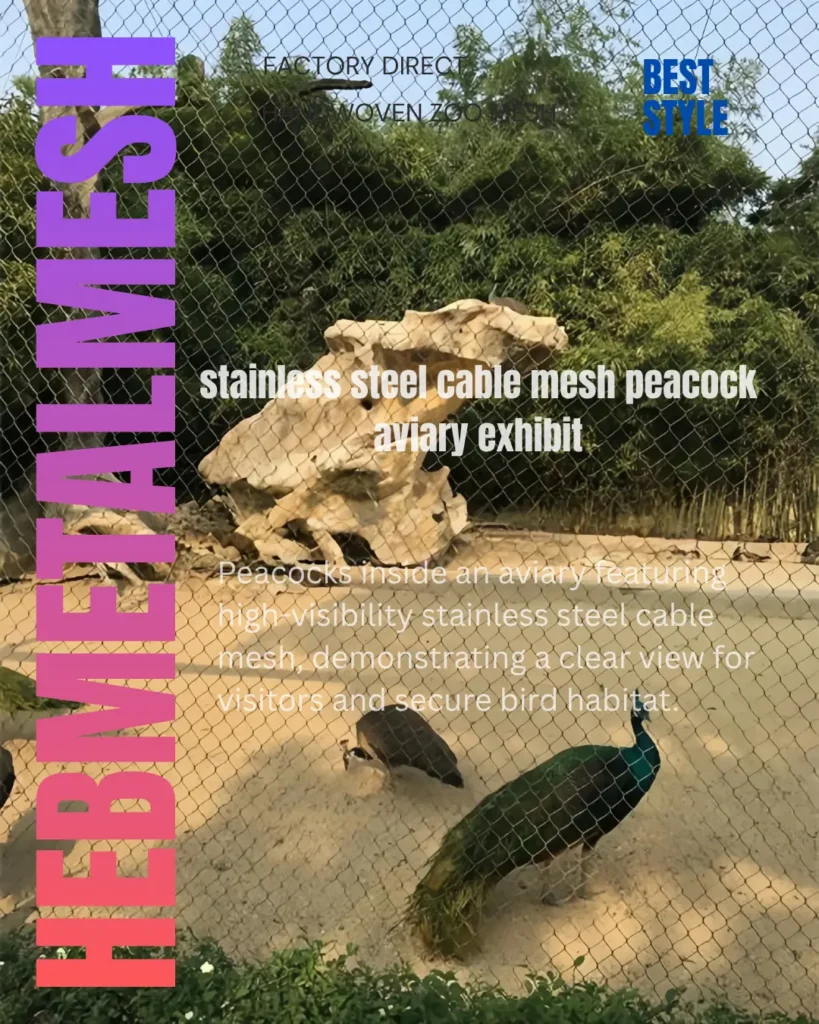
For peafowl, the mesh aperture is the most critical factor in both predator prevention and bird containment. A common mistake is using mesh that is either too large, which allows predators to reach through, or too small, which creates a “visual wall” that obscures the birds.
We recommend a 1.5″ x 1.5″ to 2″ x 2″ aperture. This size is small enough to prevent small predators from gaining a grip or inserting their snouts, while still being large enough to allow for excellent airflow and clear viewing of the birds. Regarding the wire gauge, durability is non-negotiable. A wire diameter of 1.6mm (1/16″) or higher is recommended to withstand the occasional impact of a large bird flying against the wall.
For a detailed look at the specific configurations that work best for these requirements, browse our full collection of peacock enclosure mesh.
Material Integrity: Stainless Steel 304 vs. 316
Not all stainless steel is created equal, and the climate of your location should dictate the grade of material you choose for your enclosure.
- Stainless Steel 304: This is the industry standard for most inland, temperate environments. It offers excellent strength and moderate corrosion resistance, making it an ideal, cost-effective choice for general zoo and park aviaries.
- Stainless Steel 316: Often referred to as “marine grade” stainless steel, 316 contains molybdenum, which significantly increases its resistance to corrosion. If your facility is located near the coast, in a high-salt environment, or an area with extreme humidity and acidic air, 316 is the mandatory choice to prevent tea-staining and long-term degradation.
Investing in the correct grade of stainless steel ensures that your aviary remains as secure on day 10,000 as it was on day one, effectively eliminating the need for periodic material replacement.
Designing the Perfect Layout (Height & Security)
Designing a successful peacock habitat requires understanding their behavior. While they are primarily terrestrial birds, peacocks are surprisingly capable fliers and natural climbers when they feel threatened or when seeking their preferred high-altitude roosting spots at dusk.
Ideal Fence Height: Addressing the 8–10 Foot Requirement
To effectively contain peafowl and provide them with a sense of security, you should plan for a fence height of at least 8 to 10 feet. While some owners attempt lower fences, a 10-foot boundary is the gold standard for public aviaries. This height accounts for the birds’ natural desire to jump up to branches or structures to sleep safely away from ground-based threats. By providing ample vertical space, you minimize the risk of birds attempting to clear the perimeter and ensure that even if a bird startles and takes flight, it remains safely within the exhibit.
Predator-Proofing: Sub-surface Trenching and Roof Netting
A fence is only as secure as its weakest point. Many predators, such as foxes, badgers, and even domestic dogs, are expert diggers. Simply placing a fence on the surface of the ground is an invitation for a breach.
- Sub-surface Trenching: Always bury the base of your mesh at least 12–18 inches into the ground or extend it outward horizontally for 2 feet as an “apron” buried under soil or gravel. This prevents predators from tunneling directly underneath the perimeter.
- Roof Netting: For total security, a full enclosure top is essential. This not only keeps the birds in but also prevents avian predators (like hawks or owls) from entering from above.
When choosing the materials for these critical barriers, ensure you are utilizing high-quality bird netting fence and aviary mesh solutions that provide the tensile strength needed to withstand both environmental pressure and animal interaction.
See the guide of Zoo Grade Weather-Resistant Predator-Proof Netting
Installation Best Practices for Long-Term Durability
The longevity of your peacock enclosure depends as much on the structural framework as it does on the quality of the mesh itself. A beautiful, high-quality stainless steel mesh will underperform if it is improperly attached to a failing frame.
Framework Considerations: Steel vs. Wood
- Steel Frameworks: For professional zoos and public aviaries, steel is the preferred choice. It is rot-proof, fire-resistant, and maintains its structural integrity regardless of weather conditions. Steel posts allow for superior tensioning of the mesh, which is vital for achieving a professional, clean look.
- Wood Frameworks: While wood can offer a more “natural” aesthetic, it requires significant maintenance. Over time, wood can warp, rot, or harbor parasites, which can be detrimental to bird health. If you choose wood, ensure it is pressure-treated or made from rot-resistant hardwoods and that all mesh attachments are made with heavy-duty, corrosion-resistant hardware to avoid galvanic corrosion where metal meets wood.
Tensioning the Mesh for a Seamless, “Invisible” Look
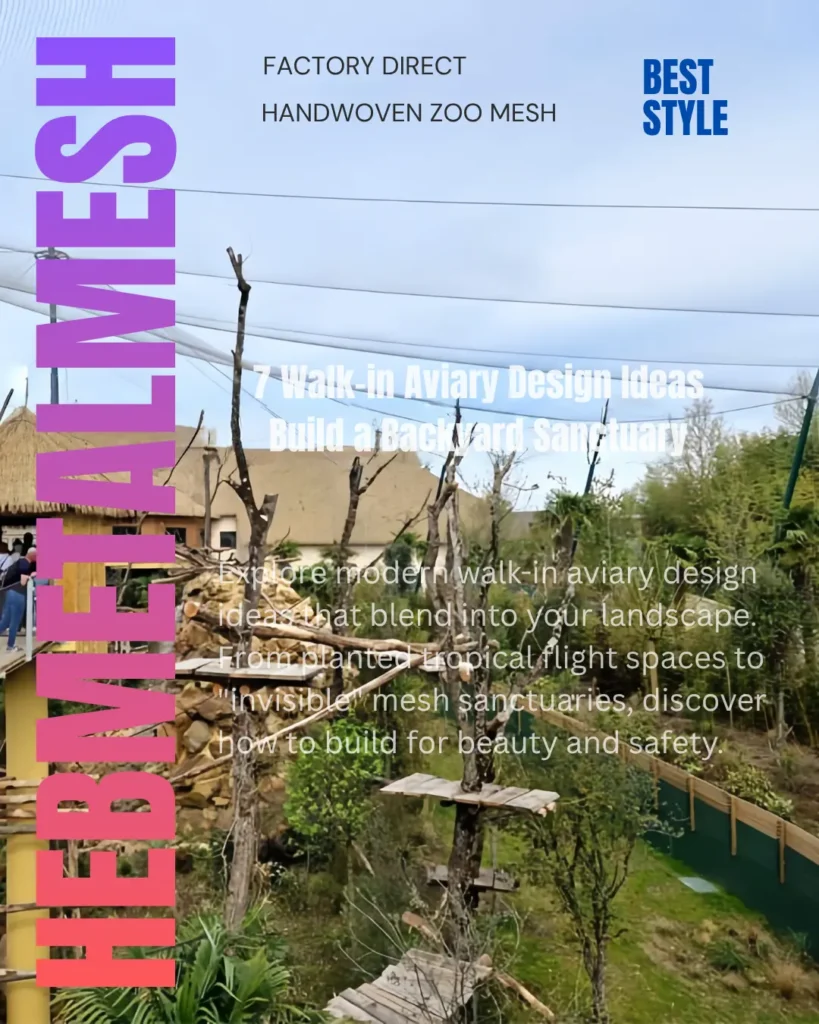
One of the primary benefits of using high-quality cable mesh is its ability to almost disappear into the background, allowing visitors to see the birds clearly. Achieving this “invisible” effect requires proper tensioning.
- Uniform Tension: The mesh should be installed using perimeter cables and specialized ferrules. Each panel must be pulled taut to ensure there is no sagging or “belling” of the netting.
- Regular Support: Ensure that your support posts are spaced appropriately to maintain that tension over long spans.
- Correct Attachment: Use professional-grade wire rope grips and tensioners. Proper tensioning not only makes the enclosure look superior but also prevents the mesh from flapping in high winds, which significantly reduces long-term wear and tear on the material knots.
Buying Guide: Choosing a Professional Manufacturer
When investing in a permanent enclosure for your peafowl, the supplier you choose is just as important as the material itself. A professional manufacturer does more than just sell wire; they provide a system that ensures the safety of your birds and the longevity of your investment.
When evaluating potential suppliers, prioritize those who offer custom fabrication services. Every aviary has unique dimensions, and having the ability to order mesh panels pre-cut to your specific requirements saves time on-site and reduces waste. Additionally, look for manufacturers who provide load testing documentation for their mesh. You want to ensure that the tensile strength of the stainless steel cable can handle the stress of active birds and potential environmental impacts like heavy wind or snow loads.
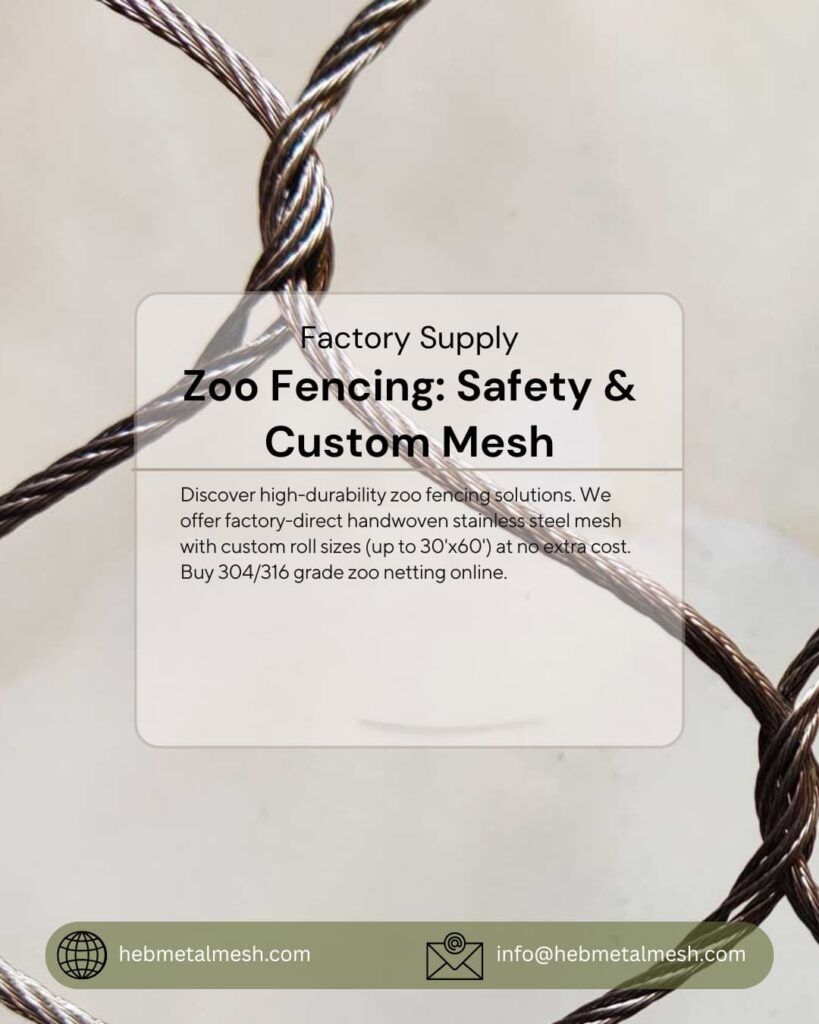
Transparency is key. A reputable manufacturer should be able to advise you on the best aperture size for your specific climate and bird species, and they should offer a clear warranty against corrosion. For those managing large-scale public projects or custom residential aviaries, Hebmetalmesh offers end-to-end support, from selecting the right gauge for your specific terrain to supplying specialized hardware for professional-grade installations. By partnering with an experienced manufacturer, you ensure that your enclosure is not just a fence, but a long-term wildlife habitat solution.
Need Custom Mesh for Your Aviary?
Hebmetalmesh manufactures professional-grade stainless steel aviary netting tailored to your exact dimensions. Get a free quote for your project today.
Request a Custom QuoteOver 20 years of experience in zoo-grade infrastructure.
Frequently Asked Questions
A: Yes, easily. While peacocks spend much of their time on the ground, they are capable of powerful, sustained flight when startled or when seeking high-altitude roosts. A 6-foot fence is insufficient to keep them contained; we strongly recommend an enclosure height of 8 to 10 feet to accommodate their natural behaviors.
A: Absolutely. Unlike chain-link fencing, which can have sharp, rough edges, high-quality stainless steel wire rope mesh features smooth, handwoven or machine-swaged knots. This design is specifically engineered to be non-abrasive, protecting the long, delicate tail coverts of male peacocks from snagging or fraying.
A: While stainless steel is highly resistant to corrosion, it is not “rust-proof” in all conditions. For inland, temperate areas, Grade 304 is usually sufficient. However, if your enclosure is located in a coastal region with salt spray or in an environment with high chemical humidity, Grade 316 is essential to prevent surface tea-staining and long-term degradation.
A: One of the greatest advantages of stainless steel cable mesh is its low maintenance. It does not require painting or specialized treatments. To clean it, you can simply use a garden hose or a low-pressure power washer to remove dust, debris, or bird waste. It is designed to maintain its structural integrity and aesthetic clarity for decades with minimal intervention.
A: In many cases, yes. Our flexible cable mesh is highly adaptable and can be tensioned across a variety of existing steel or heavy-duty timber frameworks. However, you must ensure your existing structure is strong enough to handle the tensioning process. We recommend consulting with our team regarding your specific frame dimensions to ensure a secure and aesthetically pleasing installation.