
A purchase order for one aviary reaches a mesh factory and stops dead on a single line. The buyer wants forty square meters, and the quote comes back with a floor of three hundred.
Both numbers are honest. The distance between them is the whole problem.
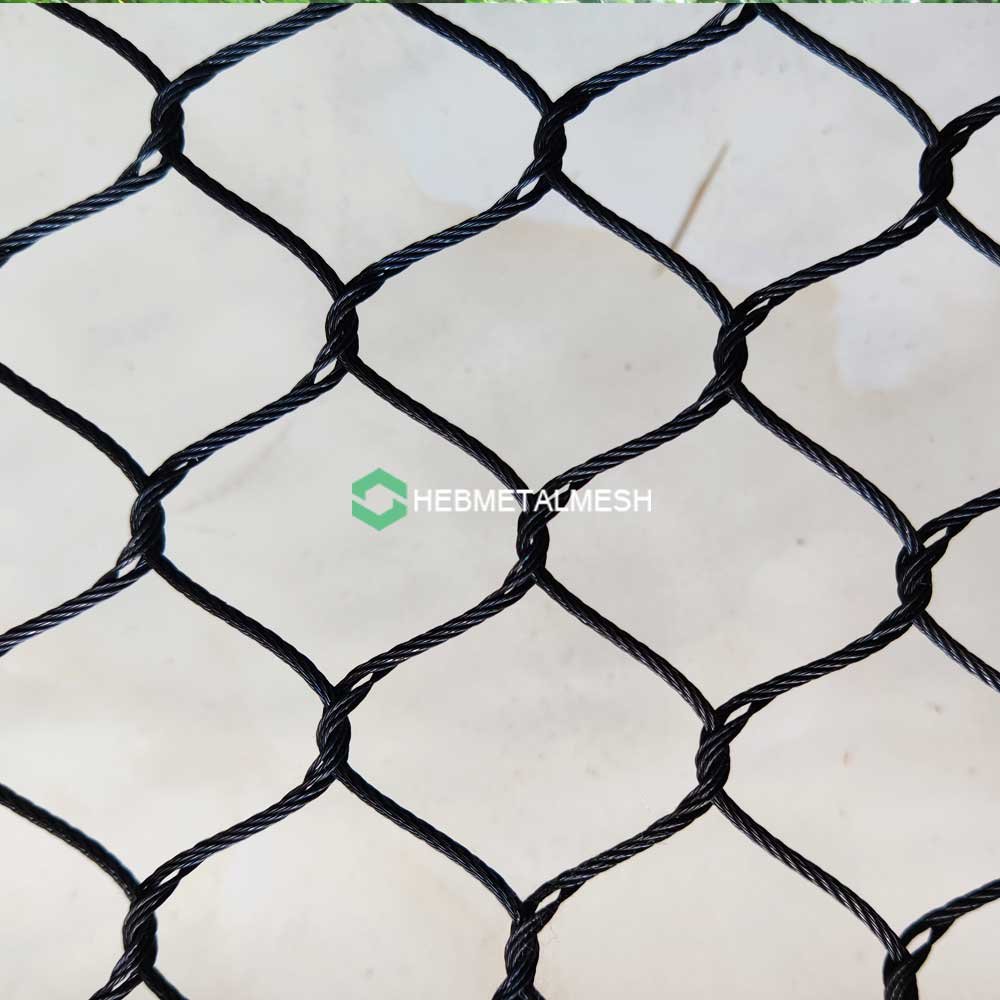
Hand-woven stainless steel mesh does not roll off a conveyor. Someone sets a loom, threads cable, presses ferrules, then checks the aperture by hand with a rule. That work carries a fixed cost, and no small order can shrink it.
Zoo work feels that cost more than most buyers do. A habitat opens as one enclosure, then grows a holding pen, a keeper corridor, a quarantine yard. Buy each piece on its own and the setup gets paid four times over.
This guide looks at the zoo mesh minimum order quantity from the buyer’s chair. What the floor actually is, how suppliers count it, and how to build a first order that pays it once.
Executive Summary
A zoo mesh minimum order quantity comes from production setup, not from a sales rule. Loom time, ferrule pressing and hand inspection cost the same whether the order runs forty square meters or four hundred, so factories set a floor to cover them.
That floor is usually counted in square meters, panels, or order value, and the unit matters more than the number. A per panel minimum punishes a project with several apertures, while a per square meter minimum lets small panels add up.
Buyers who plan around the floor pay it once. They mix sizes inside one order, split panels across enclosures on paper, and take a sample first. Buyers who order enclosure by enclosure pay it again at every stage.
Check Your Order Against the Minimum
Send the enclosure list, the apertures you need and the panel sizes. We will tell you where the order sits against the minimum, what the next price break needs, and how to group the panels so setup is charged once.
Ask for an Order ReviewQuick Answer
A zoo mesh minimum order quantity is the smallest order a factory will run, and it covers loom setup, ferrule pressing and hand inspection. Most suppliers set it between 50 and 200 square meters, or as a panel count for one aperture. The unit matters more than the number, because it decides whether one enclosure clears it.
Key Takeaways
- The minimum covers setup cost, so it does not scale with order size.
- Square meters, panels and order value are three different floors.
- One aperture per order clears a panel minimum fastest.
- Mixing sizes inside a single order spreads the setup across more area.
- A sample order usually credits toward production, so it costs little.
- Freight can exceed the setup saving on a part container load.
Why a Hand-Woven Mesh Order Has a Floor
The floor starts at the loom. Every aperture and cable diameter pair needs its own setup, and the operator cannot carry that setup from a 40 mm mesh to a 60 mm mesh.
Ferrule pressing adds a second fixed step. Each ferrule gets crimped to a set pressure and pull-tested, and the die is matched to one cable diameter.
Hand inspection is the third cost, and the one buyers underestimate. Panels leave the bench measured one by one, because a hand-woven panel will not hold a tolerance on its own.
The animal fence mesh range pairs aperture with cable diameter for that reason. Each pairing needs its own setup, so a quote arrives per pair rather than per order.
Who Sets the Minimum Order at a Mesh Factory
Production planning sets it, not the sales desk. Ask who sets the minimum order at a mesh factory and a straight supplier will name the weaving floor supervisor.
That answer matters, because the number can move. A factory-direct zoo mesh supplier with your aperture already on the loom has less setup to recover.
Quality is the line that should not move. No minimum should ever buy a thinner cable or a looser weave.
How the Minimum Is Counted
Suppliers count a minimum in one of five units, and the unit decides what you owe. Two factories can quote the same floor and mean completely different things.
| Unit | What it counts | Who it suits |
|---|---|---|
| Square meters | Total woven area | Multi-enclosure projects |
| Panels | Finished pieces per aperture | Repeat panel layouts |
| Order value | Invoice total | Mixed-product buyers |
| Finish batch | One coating run | Black oxide orders |
| Container | Freight volume | Export orders |
A minimum order per panel size is the strictest form on that list. Run three apertures and you may face three separate panel floors, even when the total area is large.
How Many Square Meters Minimum Order for Rope Mesh
Square meters are the friendliest unit, so start there. How many square meters minimum order for rope mesh depends on aperture, cable diameter and finish, and the answer usually lands between 50 and 200 square meters for a standard 316 stainless steel weave.
Small apertures cost more per square meter and often carry a higher floor, because the weave takes longer per unit of area. Wide apertures with heavy cable sit at the other end.
Ask for the same order quoted at two volumes. The gap between the prices shows what the setup costs, and that figure tells you whether to expand the order or accept the small-job price.
Mixing Sizes Inside One Bulk Order
Mixing mesh sizes in one bulk order is the most reliable way to clear a zoo mesh minimum order quantity without buying mesh you cannot use. The setup belongs to the aperture and cable pair, so panels that share those two values ride on one run.
These combinations usually travel together:
- One aperture, several panel widths for different walls
- One cable diameter, different heights for gate and fence sections
- One weave, split between roof panels and wall panels
- Straight panels and shaped panels from the same aperture
Changes that break the run are narrower than buyers expect. A different cable diameter needs a new die and a new pull test, and a custom aperture minimum run applies to any size outside the standard grid.
Finish adds one more line. A black oxide finish minimum batch is set per coating load, not per panel, so a few black panels beside natural ones can double the finishing cost.
Splitting One Order Across Several Enclosures
Zoos rarely build one enclosure at a time, so how to split a zoo mesh order across enclosures becomes the central planning question. Do it on paper before the first quote, not after.
- List every enclosure with its wall height, roof area and perimeter.
- Convert each one to square meters, including the roof.
- Group the enclosures by aperture and cable diameter.
- Total each group and compare it against the zoo mesh order threshold.
- Move one enclosure into an earlier phase if a group falls short.
Step five is where most savings appear. A quarantine pen added to phase one can lift a group over the threshold without changing the design of anything.
Panel count for a small aviary order often decides the same question. A small flight aviary may need only eight panels, which sits below a panel floor until the holding cage and keeper door join the same aperture. Measuring a curved enclosure properly is what makes that count worth trusting.
Sample Order Before the Bulk Order
A sample order before a bulk zoo mesh order settles every argument about weave, color and stiffness for the price of a few panels. Ask for one panel in the exact aperture, cable diameter and finish you intend to buy.
Test it properly. Measure ten openings and divide by ten, pull on the edge cable, and look at how the ferrules sit under load.
Let the keeper team handle it too. The WAZA animal welfare strategy treats enclosure design as part of welfare, and visibility through the mesh is the part keepers judge first.
Most suppliers credit the sample against production, which turns it into a deposit rather than an extra cost. Confirm the credit in writing, because it is a policy and not a rule.
What Triggers Wholesale Pricing
A bulk price tier for zoo mesh rarely appears at one magic number. Suppliers usually build three or four tiers, and each opens at a volume or an order value.
The order value that triggers wholesale pricing is often the easier gate to clear, because panels, edge cable, tensioners and fittings all count toward it. A project that needs modest mesh but a full hardware package can reach the tier on hardware alone.
A repeat order for a second enclosure is the strongest lever a returning buyer holds. Factories keep aperture programs on file, so the second run skips drawing review and often skips the floor.
Freight, Container Fill and Part Loads
A part container load of mesh panels carries a cost that a bulk quote can hide. Mesh is bulky rather than heavy, so a small order pays for air it does not fill.
Freight consolidation fixes part of that. Grouping your panels with a nearby project on the same lane spreads the container cost.
Watch the trade-off on small jobs. Saving two hundred dollars on setup and adding four hundred on a part load is a loss.
The freight terms for a custom netting order set out who books the container and who carries the risk in transit.
Deposit, Balance and Payment Terms
A deposit and balance on a zoo mesh order follows the production stages. Most suppliers ask for a deposit at confirmation, with the balance before dispatch.
The deposit covers cable and ferrules bought in for your run, so the production schedule for mesh panels starts only after it clears.
Public projects sometimes need payment against delivery. Raise that early, because it changes the price rather than the schedule.
What to Send for a Quote
A complete inquiry clears the floor faster than a long negotiation does.
- Enclosure list with wall height, roof area and perimeter for each.
- Aperture and cable diameter per group, or the species the mesh must hold.
- Panel dimensions, or a sketch with the anchor points marked.
- Finish, and whether the panels will sit in salt air.
- Delivery city and the date the enclosure must open.
- Whether the order can phase across two shipments.
Send the panel dimension set even when it is rough. The stainless steel rope mesh catalog shows which apertures pair with which cable, so a supplier can group your panels and tell you where the order sits.
Common Mistakes on a First Bulk Order
- Ordering enclosure by enclosure and paying setup at each stage.
- Choosing a panel minimum for a project that needs three apertures.
- Forgetting the roof when converting to square meters.
- Chasing a price tier while ignoring freight on a part load.
- Leaving the finish out of the first quote and adding it later.
FAQ
Sometimes, and on a one-off order it is often the cheaper route. A setup fee puts the loom time and die change on the invoice as a line item, so you buy only the area you need. Get the fee as a number, then weigh it against the extra mesh you would buy to clear the floor.
Smaller than a production minimum, because a repair panel reuses an aperture the factory already runs. Most suppliers quote repair work against the original order rather than as a new weave. Send the original aperture, cable diameter and panel size.
Rarely, because the floor comes from loom time rather than engineering. Drawings save the supplier’s drafting hours and may earn a small discount, but the weave still needs the same setup. Choosing a standard aperture instead of a custom one moves the number far more.
The price per square meter rises, and the order may drop under the floor. Tell the supplier as soon as the design changes, before production starts. Most will re-quote at the smaller volume and either accept it or apply a setup fee, but nobody can help once the loom has run.
Often yes, when both lots come from one production run. The weave happens once, so the floor is met at production and the panels ship in two batches. Expect a second freight charge, and confirm the storage window before you agree to it.
Plan the Order Before the Enclosure Is Built
Send your enclosure list and panel sizes. We will group them by aperture, show where the order sits against the minimum, and quote the phase plan that pays setup once.
Send Your Enclosure List