
Summary: This guide helps zoo directors, exhibit designers, and wildlife park managers select the right black zoo mesh with black oxide finish for their animal enclosures. You’ll learn about the durability, low-glare properties, and corrosion resistance of this stainless steel fencing solution, along with sizing options and installation best practices to create safe, visually stunning habitats.
Introduction
When you’re designing a zoo exhibit, wildlife park, or aviary, the fencing you choose matters more than most people realize. It’s not just about keeping animals in and visitors out. It’s about creating an environment where animals thrive, visitors feel connected to nature, and maintenance teams don’t spend every weekend repairing rusted or damaged barriers.
That’s where black zoo mesh comes in. This isn’t your grandfather’s chain-link fence. Black zoo mesh with black oxide finish is a handwoven stainless steel cable mesh that combines exceptional strength with near-invisible transparency. It’s the material of choice for modern zoological exhibits, and for good reason.
In this guide, we’ll walk you through everything you need to know about black zoo mesh—from what it is and why it works, to how to choose the right specifications for your specific animal enclosure needs. For a complete overview of available stock options, explore the Black Oxide Zoo Mesh Order page .
What Is Black Zoo Mesh?
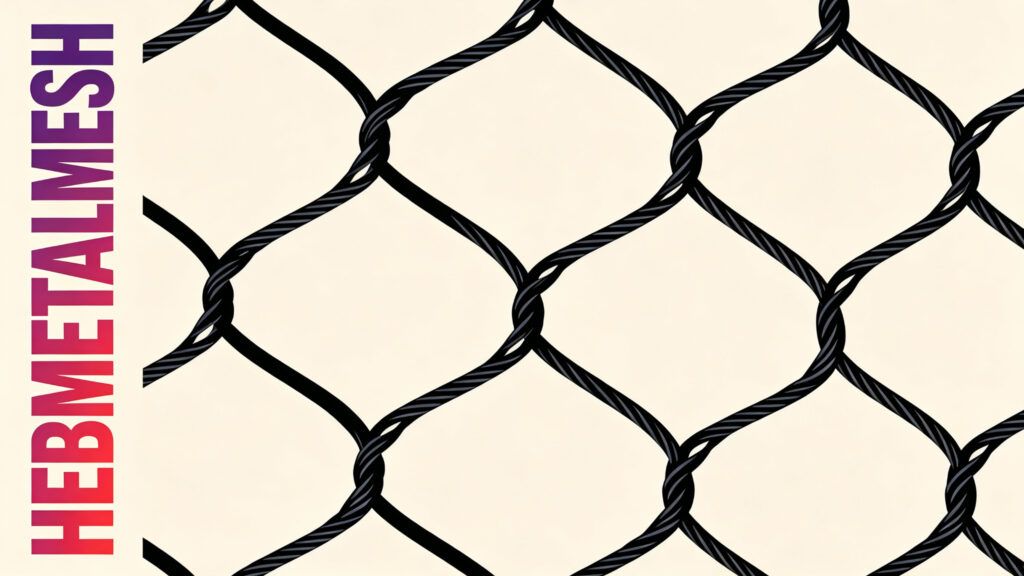
Black zoo mesh is a type of stainless steel wire rope mesh that has been treated with a black oxide finish to give it a deep, matte black color. Unlike painted or coated meshes that can chip, peel, or flake over time, black oxide is a chemical conversion process that actually changes the surface of the stainless steel itself.
The mesh is handwoven from high-grade stainless steel cables—typically AISI 304 or AISI 316—and comes in a range of wire diameters and aperture sizes. Common wire rope diameters include 3/64″, 1/16″, 5/64″, 3/32″, and 1/8″. Mesh openings typically range from 3/4″ x 3/4″ up to 4″ x 4″.
There are two primary ways manufacturers create black-colored mesh. One is through black oxide treatment, which is environmentally friendly and produces a durable, lasting color. The other is spraying black lacquer, which can contaminate the environment and is generally less durable. Reputable manufacturers use the black oxide method because it’s cleaner and longer-lasting.
Key takeaway: Black oxide zoo mesh is not painted. It’s chemically transformed stainless steel that won’t chip, flake, or fade.
Why Choose Black Oxide Zoo Mesh Over Natural Stainless Steel?
Natural stainless steel mesh has been used in zoos for years. It’s strong, corrosion-resistant, and durable. So why would you choose black oxide zoo mesh instead?
1. Glare Reduction and Animal Welfare
One of the biggest advantages of black zoo mesh is its low-glare properties. Natural stainless steel can reflect harsh sunlight, which can be uncomfortable—even harmful—for animals with sensitive eyes. The black oxide finish absorbs light rather than reflecting it, reducing eye strain for both animals and visitors.
This is especially important for birds of prey, primates, and other species that are sensitive to bright light. The black surface helps protect animals’ eyes from UV damage while still allowing plenty of natural light to enter the enclosure.
2. Nearly Invisible Appearance
Black oxide mesh practically disappears against natural backgrounds like trees, rocks, and shadows. This “vanishing” effect is a game-changer for modern exhibit design. When visitors can’t see the barrier, they feel more connected to the animals. They’re not looking at a cage—they’re looking at a habitat.
This visual transparency also benefits the animals. Studies show that when visitors spend more time observing animals without visual barriers, they develop greater empathy and are more likely to support conservation efforts.
3. Enhanced Corrosion Resistance
The black oxide process doesn’t just change the color—it adds an extra layer of protection against rust and corrosion. This is crucial for outdoor enclosures that face rain, humidity, and temperature fluctuations year after year.
For coastal zoos or facilities near saltwater, AISI 316 stainless steel with black oxide finish is the gold standard. The molybdenum in 316 grade provides exceptional resistance to pitting and crevice corrosion caused by salt spray.
4. UV Protection
Black stainless steel mesh can reduce direct ultraviolet rays, helping to protect both animals and visitors from harmful UV exposure. This is particularly valuable for high-altitude enclosures or exhibits in regions with intense sunlight.
Key Applications for Black Zoo Mesh
Black zoo mesh is incredibly versatile. Here are some of the most common applications:
Large Mammal Enclosures
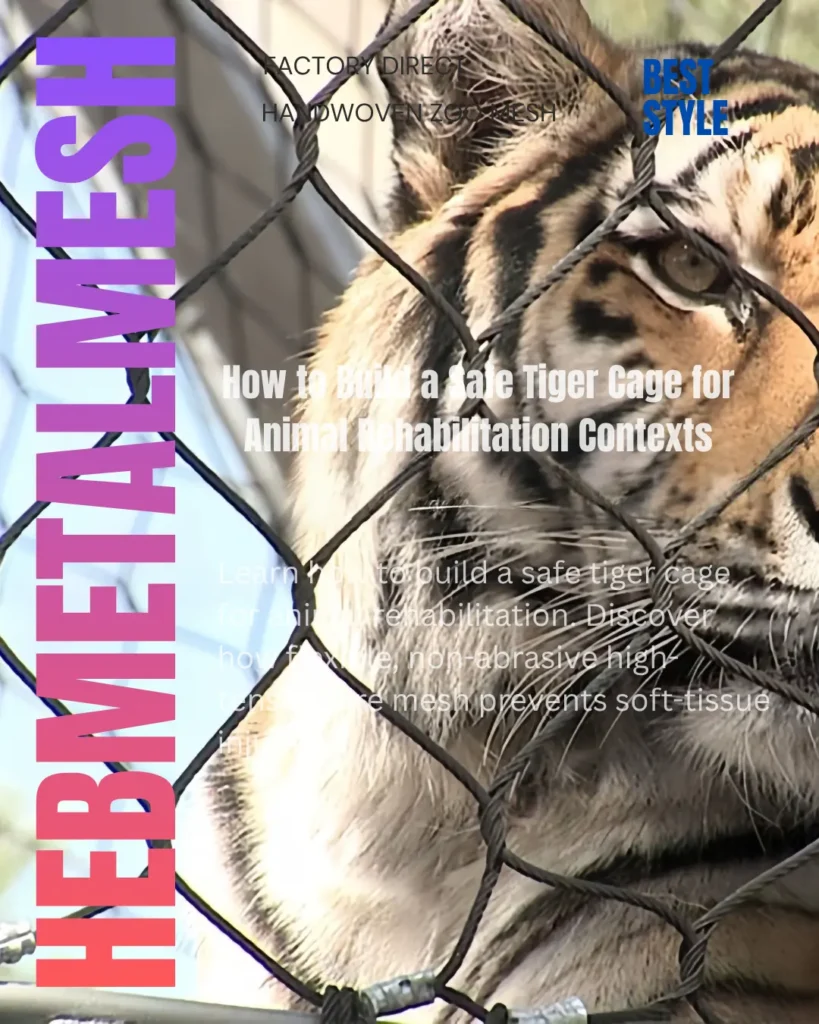
Tigers, lions, bears, gorillas, and other large mammals require fencing that can withstand tremendous force. Black zoo mesh with 1/8″ wire rope and 2″ x 2″ or 3″ x 3″ openings provides the strength needed for these powerful animals. The flexibility of the mesh also acts as a buffer, absorbing impact energy to prevent injury.
For tiger enclosures, the 2″ x 2″ x 1/8″ heavy-duty mesh is the industry standard, engineered to withstand the immense power and weight of adult tigers. For gorilla and great ape habitats, the same 2″ x 2″ x 1/8″ specification provides a permanent, bite-proof, and rust-resistant barrier.
Aviaries and Bird Exhibits
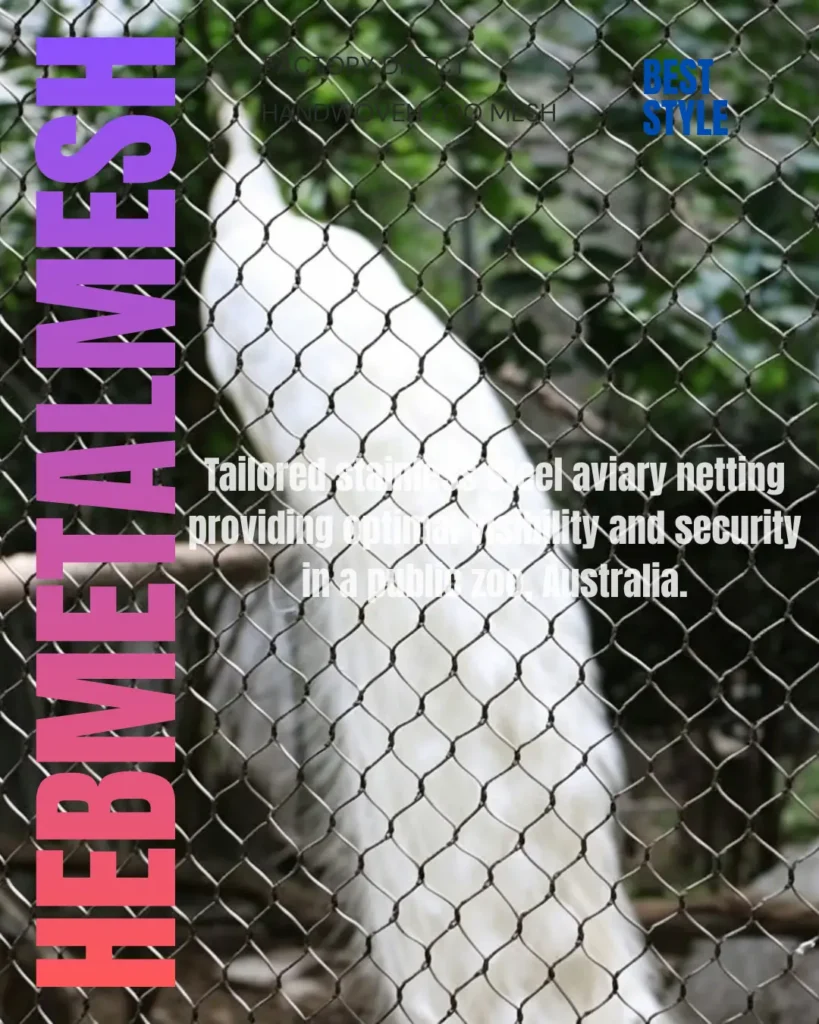
For birds, smaller mesh openings are essential to prevent escape and keep predators out. The 1″ x 1″ mesh with 1/16″ cable is ideal for songbirds, finches, and small parrot species. In black oxide finish, this mesh becomes virtually invisible, giving visitors an unobstructed view of your birds.
For larger parrots and macaws, the 2″ x 2″ x 3/32″ heavy-duty mesh is built to withstand extreme beak pressure. Learn more about stainless steel aviary mesh options for your bird exhibits.
Primate Habitats
Primates are intelligent, curious, and incredibly strong. They also love to climb and swing. Black zoo mesh with 7 x 19 cable construction offers the flexibility needed to follow complex, organic curves while providing the strength to contain even the most determined ape.
For monkey enclosures, the 2″ x 2″ x 5/64″ mesh handles high tensile loads from swinging species like gibbons and macaques. For smaller primates like marmosets, the 1″ x 1″ mesh provides a finger-safe barrier.
Reptile and Small Animal Exhibits
For smaller species, tighter mesh openings like 3/4″ x 3/4″ with 3/64″ cable provide secure containment without compromising visibility.
Technical Specifications: What to Look For
When selecting black zoo mesh for your project, here are the key specifications to consider:
For a deeper dive into technical specifications and grade selection, refer to the Zoo Enclosure Fencing Technical Guide .
Black Oxide vs. Black Paint: What’s the Difference?
This is one of the most important questions buyers ask. Here’s the honest answer:
Black oxide is a chemical conversion process. The stainless steel is immersed in a high-temperature solution of alkaline salts and oxidants, which forms a protective black magnetite (Fe₃O₄) layer on the surface. This layer is actually part of the metal—it won’t chip, peel, or flake off. The Black Oxide treatment is not a paint or a coating that will damage over time.
Black paint or lacquer, on the other hand, is a coating applied to the surface. Over time, it can chip, scratch, or peel, especially in high-traffic areas where animals might rub against the mesh. Painted mesh also poses environmental concerns during manufacturing.
For zoos and wildlife parks, black oxide is the clear winner. It’s more durable, more environmentally friendly, and provides better long-term value.
Installation and Maintenance: What to Expect
Installation
Black zoo mesh is surprisingly easy to install compared to traditional fencing. Because it comes in large rolls or panels, you can cover massive areas with fewer seams. The handwoven, knotted construction makes the mesh flexible enough to follow the contours of your exhibit, whether you’re building around trees, rocks, or water features.
Most manufacturers offer custom panel sizes, so you can order exactly what you need without wasteful cutting.
For a complete walkthrough, check out the Installing Zoo Mesh: Step-by-Step Guide . This guide covers measuring, planning, post installation, tension wire attachment, and panel securing. For species-specific installation techniques, explore the monkey enclosure mesh installation guide .
Maintenance
One of the biggest selling points of stainless steel zoo mesh is its low maintenance requirements. Unlike galvanized or powder-coated fencing that rusts or chips within a few years, stainless steel black oxide mesh is designed to last for decades.
Cleaning is simple—just soap and water. The non-porous surface resists staining and doesn’t harbor bacteria. And because there are no welds to fail, the structural integrity remains intact year after year.
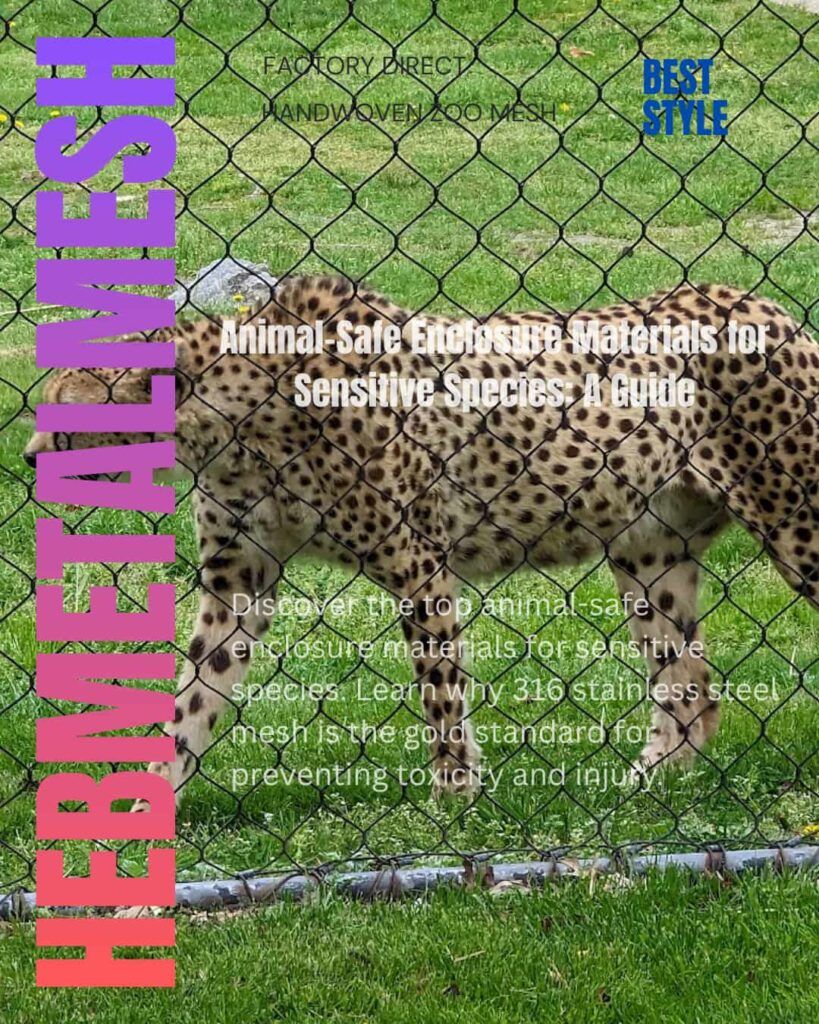
Modern Zoo Exhibit Design with Black Mesh
The era of “viewing animals in boxes” is officially over. The leading zoo exhibit design trend for 2026 is Landscape Immersion—a sophisticated architectural philosophy where the boundaries between the human world and the animal habitat are intentionally blurred.
Black oxide zoo mesh plays a central role in this design revolution. By using ultra-thin, high-tensile stainless steel rope mesh with a Black Oxide finish, designers can create massive spans of “invisible” walling. Unlike glass, which can reflect visitors and create glare, bird netting fence allows air, sound, and scent to pass through.
For a comprehensive look at emerging trends, read the Zoo Exhibit Design Trends 2026 guide .
Cost Considerations: Is Black Zoo Mesh Worth the Investment?
Let’s be upfront: black oxide zoo mesh typically costs more than traditional fencing options like chain-link or welded wire. But here’s why it’s worth every penny:
- Lifespan: Rated for 30+ years, even in harsh coastal environments
- Maintenance: Nearly zero maintenance costs over its lifetime
- Animal welfare: Reduced injury risk means fewer vet bills
- Visitor experience: Better visibility means happier visitors and higher donation rates
- Aesthetics: Black mesh blends into natural environments, enhancing the overall look of your zoo
When you factor in these long-term benefits, black zoo mesh is actually one of the most cost-effective fencing solutions available.
Black Zoo Mesh FAQ
1. Is black oxide zoo mesh safe for animals?
Yes. Black oxide is a chemical conversion process that doesn’t use toxic coatings or paints. The mesh is made from food-grade stainless steel (304 or 316) and is completely non-toxic. It won’t leach harmful chemicals into the environment, and the smooth, handwoven surface prevents injuries if animals brush against it.
2. How long does black oxide zoo mesh last?
With proper installation, black oxide zoo mesh typically lasts 30 years or more. The stainless steel base material is naturally corrosion-resistant, and the black oxide finish adds an extra layer of protection. Even in coastal or high-humidity environments, 316-grade mesh with black oxide finish will resist pitting and rust for decades.
3. Can black zoo mesh be customized for unusual enclosure shapes?
Absolutely. Black zoo mesh is handwoven and highly flexible, making it ideal for complex, organic shapes. Manufacturers offer custom panel sizes and can work with you to create mesh that fits your specific exhibit design, whether you’re building around existing trees, rocks, or water features.
4. Does black oxide zoo mesh fade or change color over time?
No. Because black oxide is a chemical conversion of the stainless steel surface rather than a coating, the color is permanent. It won’t fade from UV exposure, and it won’t chip or peel like painted alternatives. The deep matte black finish remains consistent for the life of the mesh.
5. What’s the difference between black zoo mesh and regular black wire mesh?
Black zoo mesh is specifically designed for animal enclosures. It’s made from high-tensile stainless steel wire rope (not solid wire), handwoven into a knotted mesh that provides flexibility and impact absorption. Regular black wire mesh is often made from cheaper materials, may be welded (creating weak points), and lacks the strength and durability required for zoological applications.
Key Takeaways
- Black oxide is not paint. It’s a chemical conversion that permanently changes the stainless steel surface, making it chip-proof and fade-proof.
- Low glare protects animals. The matte black finish absorbs light instead of reflecting it, reducing eye strain for both animals and visitors.
- Nearly invisible design enhances visitor experience. Black mesh blends into natural backgrounds, creating “boundary-less” exhibits that foster empathy and connection.
- Corrosion resistance is built in. Black oxide adds an extra layer of protection against rust, making it ideal for outdoor and coastal applications.
- Customization is available. From wire diameter to mesh opening to panel size, black zoo mesh can be tailored to your specific enclosure needs.
- Long-term value beats upfront cost. With a 30+ year lifespan and minimal maintenance, black zoo mesh is one of the most cost-effective fencing solutions available.
Ready to Upgrade Your Zoo Enclosures?
Choosing the right fencing for your animal exhibits is one of the most important decisions you’ll make. Black zoo mesh with black oxide finish offers the perfect combination of strength, durability, aesthetics, and animal welfare benefits.
Whether you’re building a new tiger habitat with heavy-duty tiger fencing , renovating an aging aviary, or designing a state-of-the-art primate enclosure with gorilla fence mesh or monkey enclosure mesh , black zoo mesh delivers the performance and visual appeal that modern zoos demand.
Ready to get started? Visit Hebmetalmesh to explore their full range of black oxide zoo mesh products, request a custom quote, or speak with their team about your specific project needs. With factory-direct pricing and decades of experience supplying zoos worldwide, they’re the partner you can trust for your next enclosure project.