
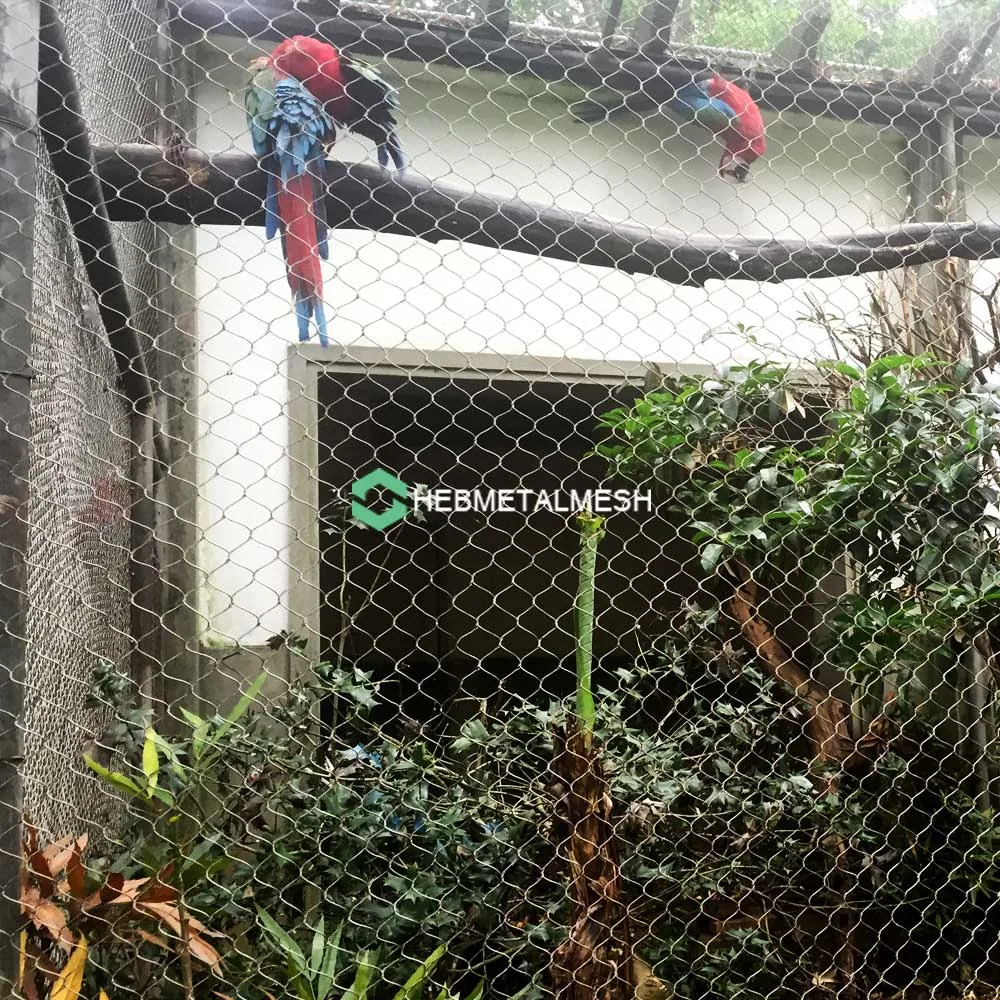
Choosing the perfect enclosure for birds isn’t just about aesthetics—it’s about safety, durability, and peace of mind. Whether you’re setting up an indoor cage for a single parrot or building a sprawling outdoor aviary for a flock, the wrong choice can put your feathered friends at risk of predators, escape, or injury.
If you’ve ever felt overwhelmed by terms like “1”x1″ Stainless Steel 304 Mesh,” “predator-proof,” or struggled to decide between indoor cages vs. outdoor aviaries—you’re in the right place. This guide cuts through the noise. We’ll walk you through everything you need to know: from material strength and gauge thickness to size recommendations and ventilation tips. No fluff, just actionable advice to help you build a safe, long-lasting enclosure for birds that both you and your birds will love.
By the end of this guide, you’ll have a clear checklist of exactly what to look for—so you can make a confident, informed purchase without any guesswork. Let’s dive in.
📋 Not Sure Which Enclosure for Birds Fits Your Needs?
Choosing the wrong size or material can put your birds at risk. See our Aviary netting page for “Aviary Enclosure Selection Checklist” to compare indoor cages vs. outdoor aviaries, mesh gauge, and predator-proof must‑haves — before you spend a dime.
Introduction
Whether you are a parrot owner looking for a custom parrot enclosure that mimics the wild, or a zoo manager planning a walk‑in aviary design for public exhibits, choosing the right habitat is the single most important decision for your birds’ health and safety.
For years, the market offered only mass‑produced, powder‑coated cages that often flake, rust, or contain toxic metals. Today, informed bird keepers demand stainless steel bird cage mesh – a non‑toxic, corrosion‑proof material that stands up to powerful beaks and harsh weather. This guide goes beyond generic advice. We compare indoor cages vs. outdoor aviaries, explain mesh gauge and aperture, and show you how to build a predator‑proof bird aviary that lasts for decades.
By the end, you will have a clear roadmap – from sizing and material selection to step‑by‑step planning – so you can confidently invest in the best outdoor bird enclosure or indoor setup for your feathered friends.
While this resource covers general bird housing fundamentals, large-scale zoological projects demand specialized planning and industrial-grade materials. Explore our dedicated zoo bird enclosure material and planning resource for professional facility applications.
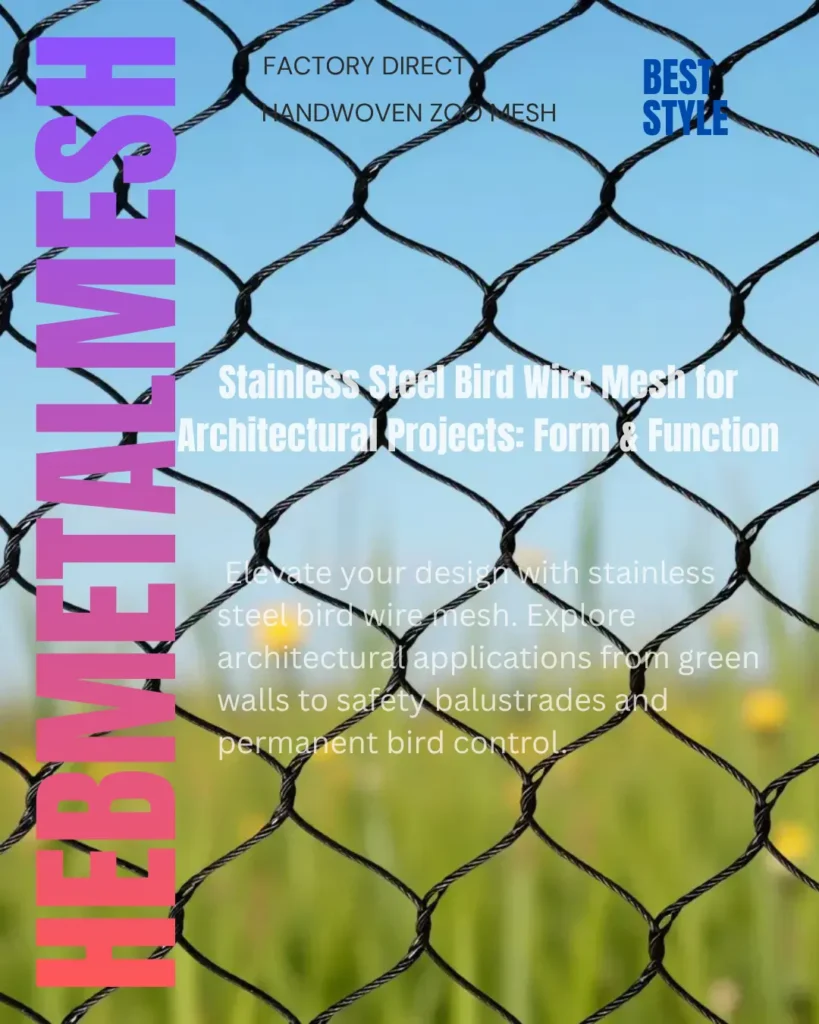
Part 1: Bird Enclosure Types: Indoor Cages vs Outdoor Aviaries Explained
When searching for an enclosure for birds, the terminology can be confusing. Understanding the distinction between a standard cage and a true aviary is the first step in planning your project.
Bird Cages vs. Aviaries: What’s the Difference?
While the terms are often used interchangeably, there is a functional difference. A “bird cage” is typically defined as a smaller, often portable enclosure designed for indoor use, focusing on confining a single pet or a pair.
In contrast, an aviary is a large enclosure for birds that simulates a natural habitat. Aviaries are designed to allow birds strictly specifically for flight and are often large enough for a person to walk into. They can be located indoors or outdoors and are used for:
- Pet Ownership: Providing maximum flight space for high-energy parrots.
- Breeding: Creating a stress-free environment for pairs.
- Conservation & Zoos: Walk-through exhibits that allow public interaction without barriers.
Popular Enclosure Types
According to recent market data, bird owners are increasingly moving away from small containment solutions toward spacious environments.
- Flight Cages: These bridge the gap between a standard cage and an aviary, prioritizing horizontal space to allow small birds (like finches or budgies) to fly.
- Large Bird Cages: Specifically designed for “heavy chewers” like Macaws and Cockatoos, these require heavy-gauge bars or mesh.
- Walk-in Aviaries: The gold standard for avian welfare. These allow for environmental enrichment, including trees, foraging grounds, and full flight.
- Outdoor Bird Enclosures: These structures must be predator-proof and weather-resistant. This is where material quality becomes non-negotiable.
Part 2: How to Choose a Bird Enclosure: Size, Mesh, and Material Guide
Once you’ve decided on the type of enclosure, two pillars determine its safety and longevity: geometry (size and shape) and material science.
Size and Shape – Why Width Matters
Most commercial cages are tall and narrow to save floor space, but birds fly horizontally. For a walk‑in aviary design, prioritise length and width over height. Budgies and cockatiels need long flight paths; large parrots require both climbing height and ample width to fully extend their wings without touching the sides.
Mesh Opening – The Critical Dimension
The aperture must be small enough to prevent escape or head‑entrapment, yet large enough for clear viewing. For large macaws and walk‑in aviaries, 1″×1″ stainless steel mesh is the gold standard. For larger fowl or exclusion barriers, 2″×2″ or 3″×3″ works well. Choosing the right mesh size is essential for any predator‑proof bird aviary – raccoons and other predators cannot reach through a properly specified 1″×1″ grid.
Material – Why Stainless Steel Wins
Powder‑coated steel chips and rusts; galvanised wire may contain zinc, which is toxic to birds. The professional choice is Type 304 or 316 stainless steel bird cage mesh. It is inert, rust‑proof, and incredibly strong – resistant to beak damage and weather alike. Whether you are building a custom parrot enclosure or a large outdoor flight, stainless steel delivers unmatched durability. For outdoor setups, 316 grade offers extra protection against salt air and moisture, making it the best outdoor bird enclosure material on the market.
We also offer a black oxide finish that reduces glare and makes the mesh visually recede – ideal for exhibits where the birds should be the focus.
Finish Options
While stainless steel is naturally silver, we also offer a black oxide finish. This treatment darkens the metal, reducing glare from the sun and making the mesh “disappear” from a distance, providing a better viewing experience for walk-in aviaries.
Part 3: Custom Bird Aviaries: Why Off-the-Shelf Cages Fall Short
The Limitations of Off-the-Shelf Cages
If you search for “large bird cages” on generic retail sites, you will find fixed sizes. If you have an odd-shaped patio, a large backyard, or a zoo exhibit to build, these fixed boxes simply won’t fit. Furthermore, shipping large, rigid cages often results in damage before the product even arrives.
The Advantages of Custom-Built Panels and Netting
Building a custom bird aviary allows you to:
- Fit Any Space: Utilize alcoves, uneven ground, or existing structures.
- Scale Up: Create massive flight paths that commercial cages cannot offer.
- Choose Your Density: Select the exact wire gauge and mesh size for your specific birds.
This is where our core service excels. At Hebmetalmesh, we provide fully customized stainless steel bird netting panels and rolls.
- Commercial Scale: Need a massive, seamless cover for a commercial aviary? We supply maxi rolls up to 30′ x 60′ to minimize joining work.
- DIY Friendly: Prefer bolt-together panels for a home project? We can fabricate panels to your exact specifications.
Answering “Custom Bird Aviary Builders Near Me”
We often see users searching for local builders. While hiring a local contractor to frame the structure is a great idea, sourcing the mesh locally can be incredibly expensive and limited in variety.
Many professional aviary builders and serious hobbyists in the USA source their aviary panels and netting directly from Hebmetalmesh. We act as your manufacturing partner, supplying the high-quality core material that makes the enclosure secure, which you or your contractor can then install.
Part 4: Planning Your Bird Enclosure Project (A Step-by-Step Guide)
Ready to build the ultimate habitat? Follow this practical guide to ensure your project succeeds – whether you are designing a walk‑in aviary design for a zoo or a custom parrot enclosure in your backyard.
Step 1: Assess Your Needs
Identify the species and number of birds. A pair of hyacinth macaws needs far more space and heavier mesh than a flock of finches. This determines whether you need a small indoor cage or a large predator‑proof bird aviary.
Step 2: Choose Panels vs. Flexible Netting
Rigid panels are best for vertical walls and doors; flexible stainless steel rope mesh is ideal for roofing, curved structures, or covering large spans with minimal joins. For the best outdoor bird enclosure, we recommend flexible netting for the roof – it drapes naturally and resists wind uplift.
Step 3: Select the Correct Mesh Size
Refer to this quick guide when ordering:
- Large parrots / heavy chewers → 1″×1″ (wire diameter ~1/8″)
- Medium parrots → 1.5″×1.5″
- General exclusion / large birds → 2″×2″ or 3″×3″
- Large fowl / barriers → 4″×4″
Using the right aperture is critical for any stainless steel bird cage mesh application – too large and birds escape; too small and cleaning becomes tedious.
Step 4: Design for Safety and Enrichment
A strong mesh structure lets you mount heavy branches, swings, and toys directly to the walls. Always plan a double‑door “safety porch” to prevent escapes when entering the aviary. This is especially important in a walk‑in aviary design where you share the space with your birds.
Step 5: Source Your Materials
Instead of searching for “custom bird aviary builders near me”, consider ordering custom‑cut stainless steel panels and netting directly from manufacturers like Hebmetalmesh. We ship worldwide and offer factory‑direct pricing, making it easier and more affordable to build a custom parrot enclosure or large outdoor flight that perfectly fits your space.
Part 5: Frequently Asked Questions About Bird Enclosures
A: For maximum durability and safety, 316 stainless steel is the superior choice. Unlike galvanized or powder-coated steel, 316 stainless steel withstands UV rays, rain, and snow without rusting. It is also non-toxic to birds. Hebmetalmesh manufactures specific stainless steel netting designed to last a lifetime outdoors.
A: An enclosure should be as wide as possible to encourage natural flight. For large parrots, a walk-in aviary is recommended. Always prioritize horizontal space over vertical height. The mesh spacing (such as our 1″ x 1″ option) is just as critical as the total dimensions to ensure containment.
A: While big-box retailers offer limited sizes, you can order professional-grade stainless steel aviary panels and rolls directly from manufacturers like Hebmetalmesh. We ship customized orders worldwide, including to facility managers and homeowners across the USA.
A: A bird cage is generally a smaller, movable enclosure for indoor use. An aviary is a permanent, large enclosure for birds, designed to allow flight and often large enough for humans to enter.
A: Absolutely. Many of our customers are DIY enthusiasts. We supply custom-sized stainless steel panels and netting that can be attached to wood or metal frames. This allows you to build a professional-grade structure at a fraction of the cost of hiring a specialized firm.
Part 6: 1″ x 1″ Stainless steel mesh for Enclosure for Birds Rolls
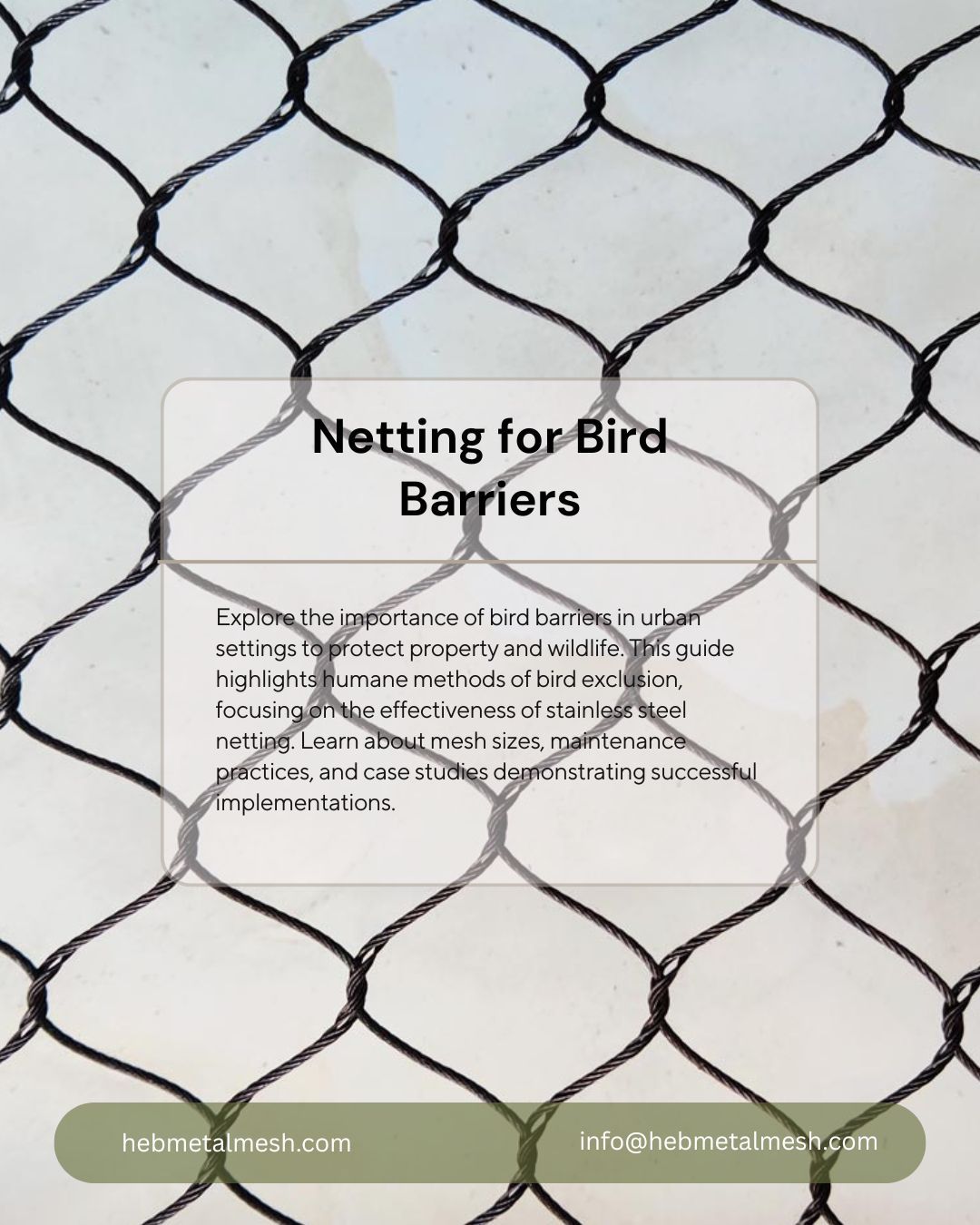
Build a Secure, Durable, and Beautiful Habitat with Professional-Grade Mesh.
Our 1″ x 1″ Stainless Steel 304 Mesh Rolls are the industry-standard solution for constructing secure, long-lasting, and predator-proof enclosures for birds, aviaries, falconry mews, zoological exhibits, and butterfly gardens. Engineered for superior strength and corrosion resistance, this heavy-duty mesh provides maximum safety for your birds while ensuring clear visibility and excellent airflow.
Product Name: Handwoven 1 Inch Stainless Steel 304 Mesh – 25′ x 60′ Rolls (Nature / Black Oxide)
Brand: Hebmetalmesh
Price Range: $5,000 – $5,830 (Custom sizing affects final price)
Key Features & Benefits:
- Unmatched Durability & Safety: Crafted from Type 304 Stainless Steel, the mesh is highly resistant to rust, corrosion, and extreme weather conditions. The 1-inch by 1-inch (1″ x 1″) square opening is the ideal size to prevent predators from entering while ensuring birds cannot injure themselves by getting stuck.
- Superior Strength & Stability: The handwoven (or precision-welded) construction provides exceptional rigidity and tensile strength, preventing sagging and maintaining structural integrity over large spans. It can withstand impact and pressure from climbing animals.
- Two Premium Finish Options:
- Nature (Standard): The classic stainless steel silver finish offers a clean, professional look that blends seamlessly with any environment.
- Black Oxide: Provides a sleek, modern aesthetic that reduces glare, improves visibility into the enclosure, and offers enhanced camouflage for a more natural backdrop.
- Large, Convenient Roll Size: Supplied as a substantial 25 feet wide by 60 feet long roll, minimizing joins and simplifying the installation process for large projects. Efficient coverage reduces labor time and material waste.
- 100% Bird-Safe & Non-Toxic: Unlike galvanized or coated wires that can flake, our stainless steel is inert and safe. Birds can chew or perch on it without risk of heavy metal poisoning.
- Customization Available: Need a specific size, different wire gauge, or a unique roll dimension? We offer custom fabrication to meet the exact requirements of your project. (Contact us for a custom quote).
Ideal For:
- Outdoor & Indoor Bird Aviaries
- Raptor & Falconry Mews
- Zoo Enclosures and Animal Habitats
- Butterfly Houses and Garden Structures
- Poultry Runs and Breeding Pens
- Protective Barriers for Windows or Vents
- Decorative and Architectural Projects
If you are planning to make a purchase or require rolls, custom sizes and global shipping, stainless steel aviary netting serves as our core product page, featuring a full range of specifications and material options.
Conclusion
Choosing the right enclosure for birds is more than a purchase; it is an investment in the welfare of your animals and the longevity of your facility. While standard cages have their place, the benefits of stainless steel bird netting—durability, safety, and non-toxicity—make it the clear winner for anyone serious about avian care.
At Hebmetalmesh, we bridge the gap between industrial strength and custom design. As a direct factory, we offer you the ability to specify the exact size, shape, and mesh aperture you need, ensuring your birds have the safe home they deserve.
What Our Customers Say
Trusted by avian enthusiasts, zoos, and contractors worldwide
Based on 24 verified reviews
Zoo Facility Manager, Texas
“We used the 1″x1″ 316 mesh for our new walk‑in aviary design. After two rainy seasons, there is zero rust. The black oxide finish makes it nearly invisible to visitors, and the birds feel completely secure. This is hands-down the best outdoor bird enclosure material we have ever installed.”
Avid Parrot Breeder, Florida
“I was worried about building a custom parrot enclosure myself, but the flexible netting rolls were incredibly easy to work with. My macaws chew on it daily and it hasn’t bowed a single wire. The peace of mind knowing it’s non-toxic stainless steel bird cage mesh is priceless.”
Custom Aviary Builder, California
“I’ve been building predator-proof bird aviaries for 15 years. Hebmetalmesh offers the most consistent weave and tensile strength I’ve seen. The custom sizing options mean zero wasted material on site. Shipping was faster than expected, and the factory support is top-notch.”
🛒 Ready to Build the Ultimate Enclosure for Birds?
Now that you know what works best, trust Hebmetalmesh’s 1″x1″ Stainless Steel 304 Mesh Rolls to bring your design to life. Handwoven for maximum durability, predator‑proof, and available in custom sizes. Get factory‑direct pricing and expert support for your project.
Shijiazhuang Netting Trading Co., Ltd (Brand: Hebmetalmesh) is here to help you build better. Reach out to us today.
- When planning an aviary, our article Unlocking The Freedom A Guide To Bird can also serve as a practical supplementary reference.
- When planning an aviary, our article Diy Cage For Small Birds With Wire can also serve as a practical supplementary reference.
- When planning bird enclosures, our article Bird Screen Options For Avian Habitats can also serve as a useful supplementary reference.
- When planning your aviary, our article Top Tips For Installing Aviary Nets can also serve as a practical supplementary reference.
- Large Bird Aviaries: Sizes, Designs, and Famous Examples
- Creating the Perfect Custom Enclosure for Your Parrot Aviary
- Step-by-Step Tutorial: Building an Aviary for Your Birds