1. Introduction: Redefining Durability with Black Fence Netting
When searching for black fence netting, most users are looking for a solution that balances two conflicting needs: high-strength protection and low visual impact. Traditionally, “black netting” referred to lightweight plastic or poly-mesh products found in hardware stores. However, for professional applications—such as zoo enclosures, expansive aviaries, and high-end residential estates—these temporary fixes often fail due to UV degradation, chewing pests, or sagging over time.
What is Black Fence Netting?
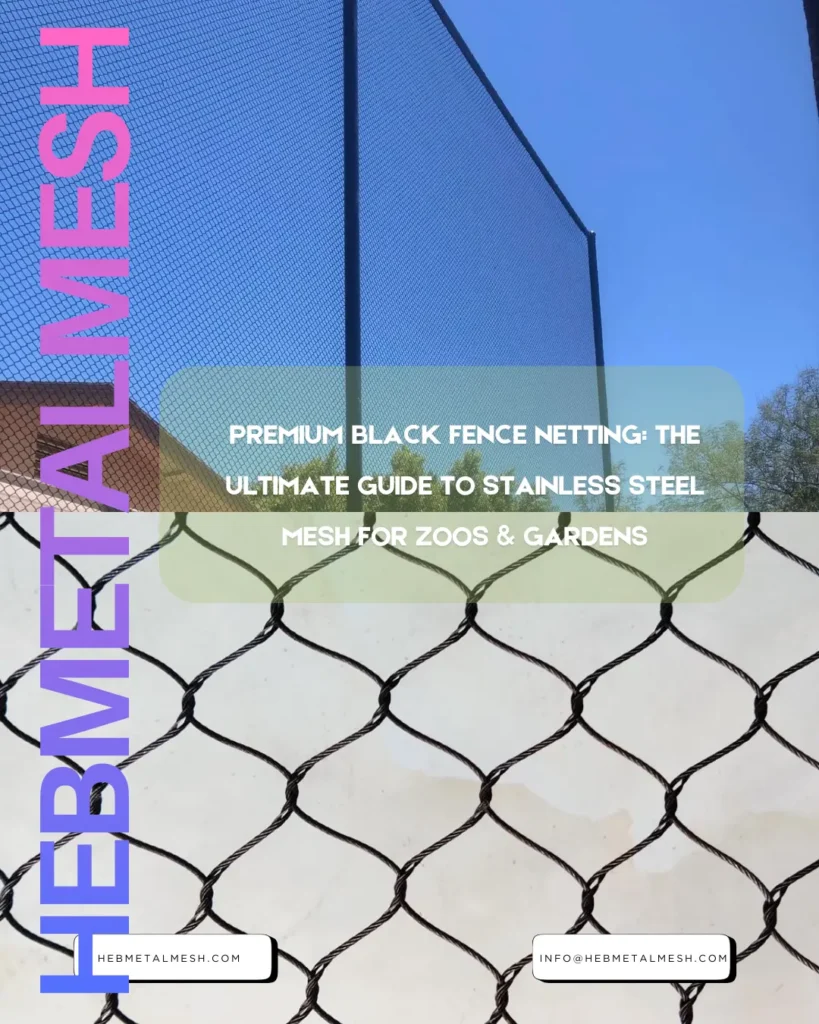
At its core, black fence netting is a flexible, mesh-like barrier designed to contain animals, protect gardens, or secure perimeters. While materials vary from nylon to PVC-coated wire, the industry standard for permanent, high-security installations is black oxide stainless steel wire rope mesh. This material provides the structural integrity of a steel wall with the flexibility of a textile.
The Hebmetalmesh Difference
At Hebmetalmesh, we have revolutionized the transition from “disposable” plastic netting to professional-grade handwoven stainless steel. Unlike rigid welded wire or fragile plastic, our handwoven stainless steel netting is crafted from intertwined 304 or 316-grade wire ropes.
We specialize in customized roll sizes—including massive panels up to 30′ x 60′—delivered with no additional customization fees. This allows architects and farm owners to install seamless barriers that are built to last decades, not seasons.
Why Black Oxide? The “Invisible” Advantage
Why choose a black finish over natural steel? In the world of landscape design and animal husbandry, visibility is everything.
- The Optical Illusion: Black oxide absorbs light rather than reflecting it. Against a backdrop of trees or shadows, the netting becomes nearly invisible to the human eye, offering an unobstructed view of animals or gardens.
- Superior Safety: The black oxide process is a chemical treatment, not a coating. This means it won’t crack, peel, or flake off into animal habitats, ensuring long-term safety and a maintenance-free life cycle.
2. Key Takeaways: High-Performance Black Netting at a Glance
For those looking for quick answers on why black oxide stainless steel mesh is the premier choice for modern enclosures, here are the essential facts:
- Unmatched Longevity: Unlike plastic or galvanized mesh, 304/316 stainless steel resists corrosion and UV damage for 30+ years, even in harsh outdoor environments.
- The “Invisible” Barrier: The black oxide finish minimizes light reflection, making the netting disappear into the landscape for superior aesthetics in zoos and gardens.
- Customization Without Cost: Hebmetalmesh offers fully customized roll and panel sizes (up to 30′ x 60′) with no extra fees for custom dimensions, reducing onsite waste and installation time.
- Animal-Safe Design: The handwoven “interwoven” structure is smooth to the touch, preventing skin abrasions on mammals and feather damage in aviary netting applications.
- High Break-Strength: Engineered to withstand heavy impacts from large animals or falling debris, making it the ideal choice for high-security zoo enclosures and deer fencing.
- Eco-Friendly & Non-Toxic: The chemical blackening process is stable and safe for sensitive species, unlike some plastic coatings that may leach chemicals over time.
3. Why Choose Black Oxide Stainless Steel Netting?
When selecting materials for a long-term enclosure, the “cheapest” option often becomes the most expensive over time due to maintenance and replacement costs. Choosing black oxide stainless steel netting from Hebmetalmesh is an investment in both form and function. Here is why professional zoo curators and landscape architects consistently specify this material over traditional galvanized or plastic alternatives.
The “Invisible” Aesthetic: Seamless Integration
The primary reason designers prefer black fence netting is its unique ability to “disappear.” Natural stainless steel has a high-sheen surface that reflects sunlight, creating a “glare” that can be distracting to visitors in a zoo or residents in a garden.
- Shadow Blending: The black oxide finish is a chemical conversion coating that creates a matte, non-reflective surface. Because black absorbs light, the mesh tends to blend into the shadows of foliage and the background.
- Enhanced Viewing: Whether you are designing a premium aviary or a backyard deer fence, the black finish provides a high-definition view of what’s behind the mesh. It creates a professional, high-end look that standard silver chain-link simply cannot match.
Extreme Durability: Built for the Elements
While plastic mesh eventually becomes brittle under the sun and galvanized wire eventually rusts, black oxide stainless steel is engineered for decades of exposure.
- UV and Corrosion Resistance: Unlike PVC-coated wires that can crack and peel, the black oxide layer is part of the metal’s surface. It won’t flake off, and the underlying 304 or 316-grade stainless steel is naturally resistant to rain, snow, and salt air.
- Physical Impact & Security: Handwoven wire rope mesh is incredibly resilient. It acts like a high-tensile fabric; it can absorb the impact of a lunging animal or a falling tree branch and spring back into its original shape. This “elasticity” is what makes it the preferred choice for high-security zoo enclosures.
Unrivaled Customization: Large-Scale Solutions
One of the biggest challenges in fencing is dealing with “seams.” Every time you have to join two rolls of netting together, you create a potential point of failure and a visual eyesore.
At Hebmetalmesh, we solve this through our unique manufacturing capabilities:
- Massive Panel Sizes: We can produce single, continuous panels as large as 30′ x 60′ (approx. 9m x 18m). These oversized panels allow for seamless coverage of large enclosures, hillsides, or garden perimeters.
- No Customization Fees: We believe your netting should fit your project, not the other way around. We provide customized roll sizes tailored to your specific measurements with no additional cost for customization. This precision reduces waste and significantly speeds up the installation process for your team.
4. Top Applications for Black Fence Netting
Black fence netting is no longer just a “utility” product; it has become a specialized architectural and zoological solution. Because Hebmetalmesh uses handwoven stainless steel, the material is incredibly versatile—strong enough to contain a tiger, yet delicate enough to protect a finch.
Zoo Enclosures: Security for High-Profile Species
In modern zoo design, the goal is to create a barrier that keeps both animals and visitors safe while making the fence “disappear” for a better guest experience.
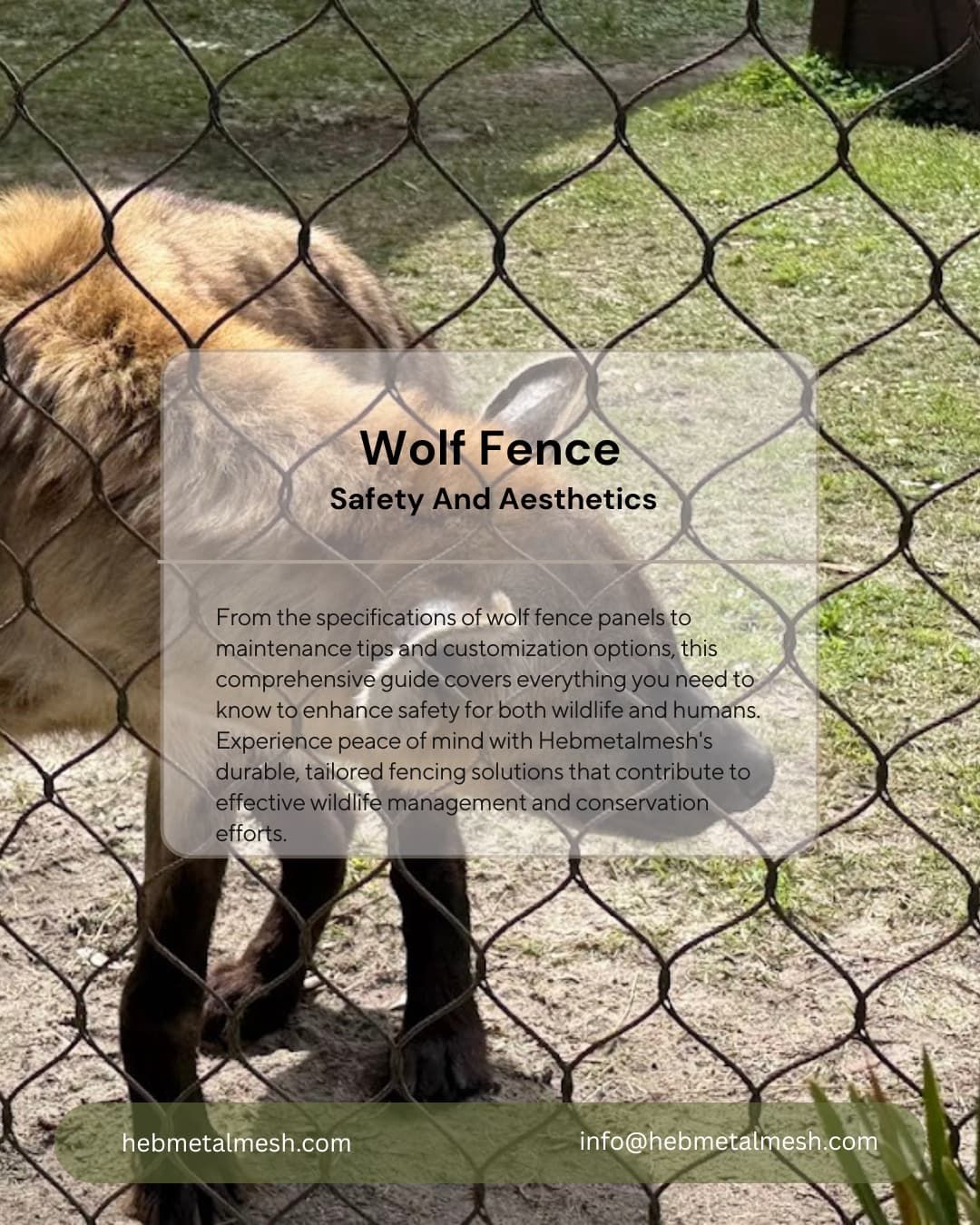
- Large Mammals: For powerful climbers like leopards, tigers, and jaguars, our black oxide netting provides high tensile strength to withstand lunging and clawing. The “interwoven” knots ensure that the mesh cannot be unraveled by a determined predator.
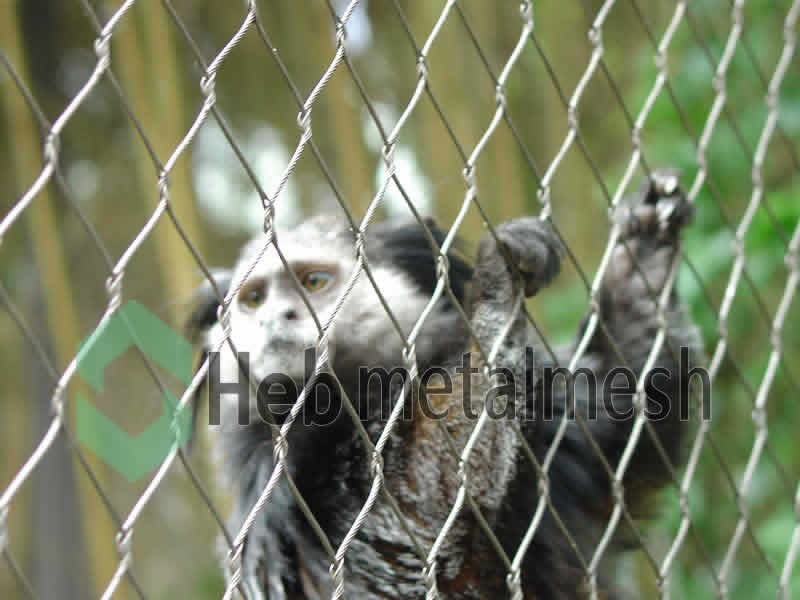
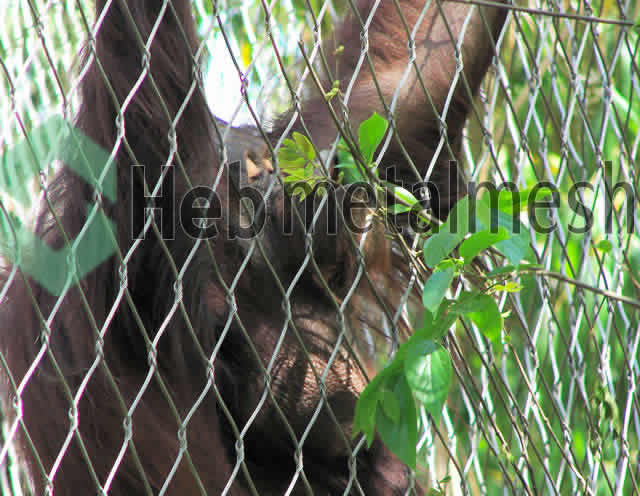
- Primates: Monkeys and apes are notorious for picking at their enclosures. Unlike plastic-coated wire that primates can peel and ingest, the black oxide finish is a chemical part of the steel, making it 100% primate-proof and non-toxic.
Aviaries: Protecting the World’s Rarest Birds
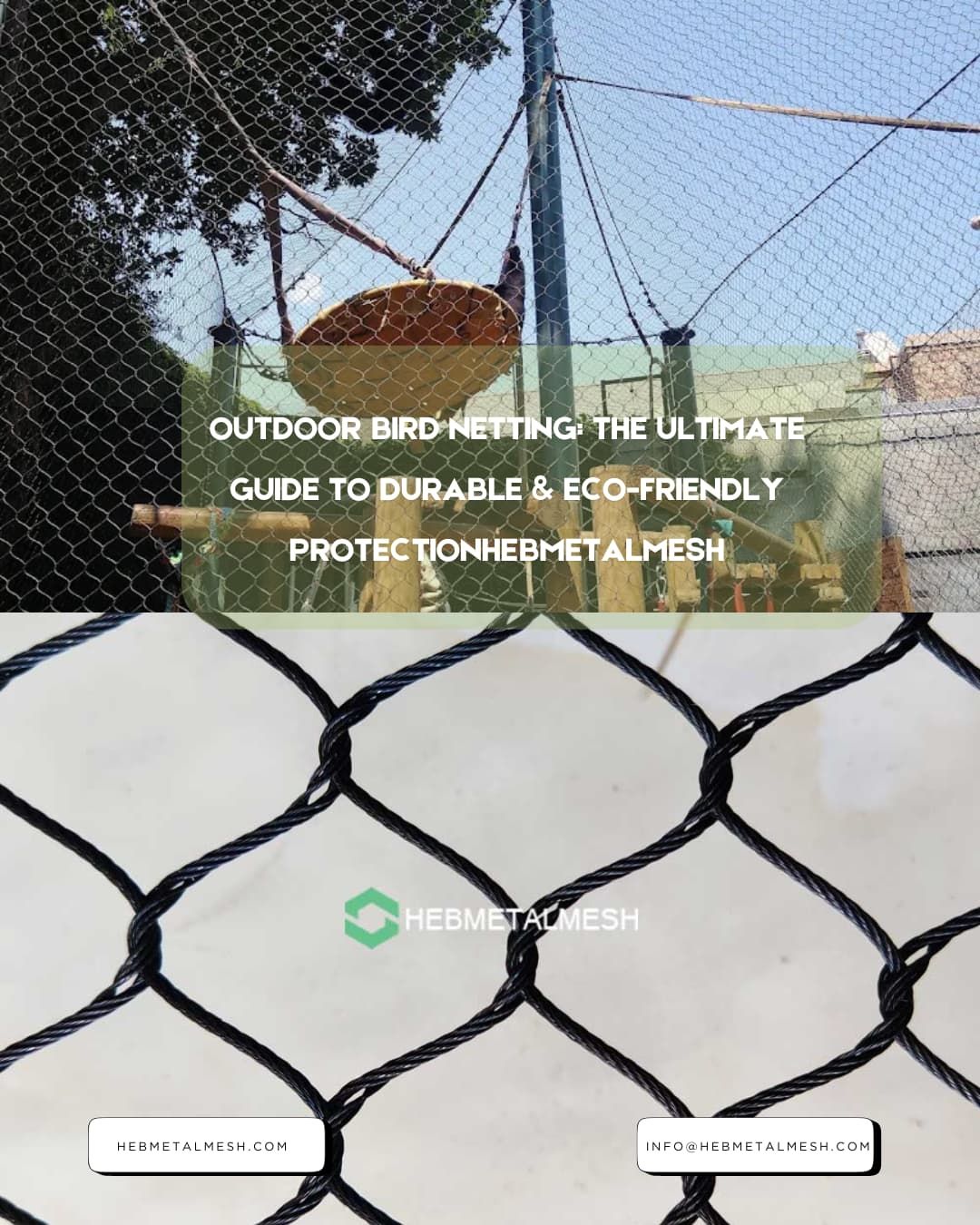
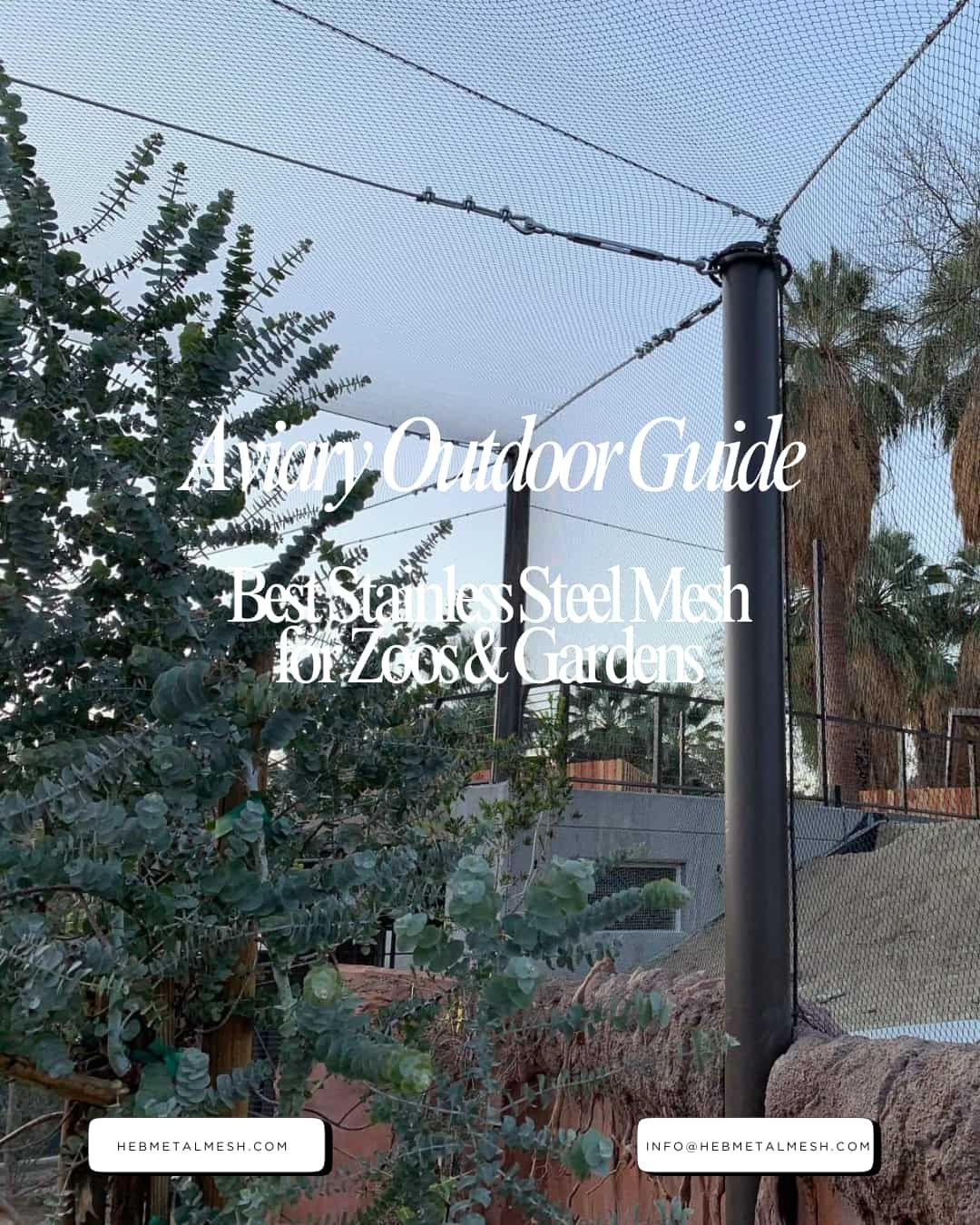
Bird parks and private aviaries require a very specific type of flexible bird aviary netting.
- Preventing Beak Damage: Traditional welded wire is rigid and can cause “beak-burn” or feather breakage if a bird flies into it. Our handwoven mesh acts like a soft landing net, absorbing impact without injury.
- Small Mesh Sizes: We offer customized apertures (mesh holes) small enough to keep out native predators like snakes or rats, while keeping even the smallest exotic birds safely inside. The black finish allows photographers to capture clear images of birds without the “silver glare” of standard wire.
Garden & Farm: Invisible Deer Protection
For homeowners and farm managers, deer can be a persistent threat to landscaping and crops.
- The “Invisible” Deer Fence: Standard plastic deer fencing eventually sags or gets chewed through by rodents. Hebmetalmesh black fence netting provides a permanent, chew-proof barrier.
- Preserving the View: Because our black oxide stainless steel mesh blends so effectively with the background, you can protect your garden from deer without feeling like you are living inside a cage. It maintains the “open” feel of your property while providing 24/7 protection.
Architectural & Safety: Beyond the Fence
The aesthetic appeal of black oxide netting has moved it from the farm into the city.
- Balustrade Infill: Modern bridges, balconies, and staircases use our black netting as a safety infill. It meets strict building codes for fall protection while offering a sleek, industrial-chic look.
- Fall Protection: Due to its high load-bearing capacity, large 30′ x 60′ panels are often installed as horizontal safety nets in public spaces or as green wall trellises for climbing plants in urban gardens.
5. Black Fence Netting vs. Competitors: Why Material Choice Matters
When searching for the best black fence netting, the market is flooded with cheap alternatives. However, for long-term projects like permanent zoo enclosures or high-end garden protection, the differences in material performance are vast. Below is a direct comparison of why Hebmetalmesh black oxide stainless steel outperforms common competitors.
vs. Plastic/Poly Mesh: The Failure of “Disposable” Fencing
Plastic and polypropylene netting are often the first choice for budget-conscious homeowners, but they rarely last more than two seasons.
- UV Degradation: Even “UV-treated” plastic eventually becomes brittle under the sun. Once the chemical bonds break down, the netting snaps like a cracker under the slightest pressure.
- The Rodent Problem: Plastic is no match for the teeth of squirrels, rats, or determined deer. One small chew-hole quickly unzips the entire fence.
- The Verdict: While plastic is cheap upfront, the cost of replacing it every 24 months—and the risk of animal escape—makes it the most expensive option in the long run.
vs. Chain Link: Aesthetics and Structural Weight
Chain link is a functional staple, but it carries significant downsides for modern zoo and architectural applications.
- The “Caged” Look: Chain link is bulky and highly visible. It creates a “heavy” aesthetic that blocks the view and makes enclosures feel cramped.
- Weight & Installation: A 30′ x 60′ section of chain link is incredibly heavy and requires massive steel posts and top rails to support the weight.
- The Hebmetalmesh Advantage: Our handwoven stainless steel is lightweight and high-tensile. It can be tensioned over large spans with minimal support structures, preserving the natural beauty of the landscape.
vs. Galvanized Wire: The Battle Against Rust
Galvanized steel is often sold as “rust-resistant,” but in outdoor or coastal environments, that protection is temporary.
- Zinc Failure: Galvanization is simply a coating. As soon as a bird claws it or a zookeeper clips it, the underlying steel is exposed to oxygen and begins to rust.
- Black Paint vs. Black Oxide: Many “black” galvanized fences are simply painted. This paint chips, flakes, and peels, creating a maintenance nightmare and a potential choking hazard for animals.
- The Verdict: Hebmetalmesh uses 304 or 316-grade stainless steel with a chemical black oxide finish. It doesn’t just resist rust—it is fundamentally rust-proof. The black color is integrated into the metal surface, ensuring it stays beautiful for 30+ years.
| Feature | Hebmetalmesh Stainless Steel | Plastic/Poly Mesh | Galvanized/Painted Wire |
|---|---|---|---|
| Lifespan | 30+ Years | 1–3 Years | 5–10 Years |
| Chew-Proof | Yes (High-tensile steel) | No (Easily destroyed) | Yes (But rusts after damage) |
| Visibility | Nearly Invisible (Matte Black) | Visible (Thick strands) | High Visibility (Glossy/Grey) |
| Maintenance | Zero | High (Frequent replacement) | Medium (Rust/Repainting) |
| Custom Size | Up to 30′ x 60′ (No fee) | Limited pre-cut rolls | Rigid standard panels |
6. Technical Specifications & Installation: Precision Meets Flexibility
Choosing the right black fence netting requires understanding the technical balance between wire diameter and aperture (mesh opening) size. Unlike “one-size-fits-all” retail products, Hebmetalmesh offers a sophisticated engineering approach to handwoven stainless steel.
Material Grades: 304 vs. 316 Stainless Steel
We primarily manufacture our netting in two professional grades to suit your specific environmental conditions:
- AISI 304: The industry standard for most inland zoo and garden applications. It offers incredible strength and excellent corrosion resistance for standard outdoor use.
- AISI 316: Specifically recommended for coastal regions or high-humidity tropical aviaries. The addition of molybdenum makes it virtually immune to salt-air corrosion and “tea staining.”
The Handwoven Architecture
Our netting is constructed using an interwoven wire rope technique. This creates a diamond-pattern mesh that functions like a high-tensile fabric.
- Flexibility: The mesh can be stretched and shaped around complex curves, rocks, or existing tree structures—perfect for naturalistic zoo habitats.
- Break Strength: Because the ropes are interwoven, a single point of impact distributes the force across the entire panel. This is why our 30′ x 60′ black fence panels are trusted for containing large, powerful animals.
Measuring for Custom 30′ x 60′ Panels
One of the most significant advantages of Hebmetalmesh is our ability to provide seamless large-scale panels.
- No Customization Fees: Whether you need a standard roll or a specific 28.5′ x 54′ panel, we manufacture to your exact dimensions without upcharging.
- Aperture Range: We offer mesh openings ranging from 1″ x 1″ (for small birds) to 4″ x 4″ (for large hoofstock or perimeter fencing).
- Installation Ease: Large panels mean fewer joins. When installing our black oxide netting, you simply tension the perimeter cable and lace the mesh to the frame. This reduces labor costs and eliminates “weak spots” common in smaller, patched-together rolls.
7. Sustainability and Long-Term Value: The ROI of Stainless Steel
In the world of professional fencing and animal containment, “cheap” is often the most expensive word in the vocabulary. When evaluating black fence netting, the true cost isn’t just the purchase price—it’s the cost of maintenance, replacement labor, and the potential risk of failure.
The Real Cost: Stainless Steel vs. Plastic (The 10-Year Outlook)
Most budget-friendly black netting is made from extruded plastic (polypropylene). While the initial price point is low, the Return on Investment (ROI) quickly diminishes.
- The Replacement Cycle: Plastic netting typically degrades under UV exposure within 24–36 months. Over a 10-year period, you would need to purchase and install new netting at least 4 to 5 times.
- The Labor Multiplier: Each time you replace a fence, you pay for the labor of removal and re-installation. With Hebmetalmesh, you install it once. The labor cost is a one-time investment rather than a recurring expense.
- The “Zero Maintenance” Advantage: Our black oxide stainless steel requires no painting, no UV-protective sprays, and no structural repairs from rodent damage. It is a “set and forget” solution that retains its structural integrity and aesthetic beauty for 30+ years.
Sustainability and Environmental Impact
Modern organizations are increasingly focused on their environmental footprint. Transitioning to stainless steel black mesh is a sustainable choice for several reasons:
- Reduced Waste: Every roll of plastic netting that fails ends up in a landfill. By choosing a 30-year product, you significantly reduce the volume of microplastics and waste generated by your facility.
- 100% Recyclable: Stainless steel is one of the most recycled materials on the planet. If you ever choose to decommission an enclosure, the mesh is a valuable resource that can be fully recycled.
- Non-Toxic Chemistry: The black oxide finish on our netting is a stable chemical conversion. Unlike PVC-coated wires, it does not leach chemicals into the soil or water, making it the safest choice for sensitive ecosystems, organic farms, and exotic aviaries.
The Value of Customization (30′ x 60′)
Waste is also a cost. Because Hebmetalmesh provides customized roll sizes up to 30′ x 60′ with no additional fees, you aren’t paying for “off-cut” material that gets thrown away during installation. You receive the exact amount of black fence netting required for your project, further maximizing your ROI.
8. Conclusion: Why Hebmetalmesh is the Top Choice for Black Fence Netting
Choosing the right black fence netting is a decision that impacts the safety of your animals, the beauty of your landscape, and your long-term maintenance budget. While plastic or galvanized options may seem like an easy fix, they lack the structural integrity and aesthetic “disappearing act” that only black oxide stainless steel can provide.
At Hebmetalmesh, we combine the traditional craftsmanship of handweaving with modern material science. By offering large-scale 30′ x 60′ panels and customized roll sizes at no additional cost, we ensure that your project is seamless, secure, and cost-effective from day one. Whether you are building a high-security tiger exhibit or a sophisticated garden deer fence, our netting is designed to outlast the competition by decades.
Ready for Premium Black Fence Netting?
Get customized handwoven stainless steel mesh rolls up to 30′ x 60′. No extra cost for custom sizes. Durable, rust-proof, and designed for life.
Shop the Online Store9. FAQs: Everything You Need to Know About Black Fence Netting
The best option is 1.5″ or 2″ aperture black oxide stainless steel mesh. It is chew-proof, won’t sag over time, and remains virtually invisible against your garden’s natural backdrop.
You can purchase professional-grade customized netting directly from the Hebmetalmesh Store. We offer factory-direct pricing and global shipping.
Yes. Plastic mesh degrades under UV light and is easily destroyed by squirrels and deer. Stainless steel mesh is a permanent, one-time investment that lasts 30+ years.
Absolutely. We specialize in customized handwoven rolls and panels (up to 30′ x 60′) with no additional customization fees. You only pay for the material you need.
Yes. Black oxide is a chemical conversion process, not a paint or plastic coating. It will not peel, flake, or leach toxins, making it 100% safe for avian beaks and primate hands.
Large panels are surprisingly lightweight and flexible. They can be unrolled and secured to a frame using stainless steel lacing wire or heavy-duty zip ties for a tensioned, professional finish.
No. By using high-grade 304 or 316 stainless steel, our netting is inherently rust-proof. The black oxide treatment adds an extra layer of protection while enhancing the aesthetic.
Unlike synthetic materials that become brittle, stainless steel is naturally immune to UV damage. Our black fence netting will not lose its strength or color even after decades in direct sunlight.
Black absorbs light and reduces glare, allowing visitors to see through the mesh much more clearly. This “invisible” effect is essential for modern, immersive zoo designs.
Yes. Due to its high break strength and anti-fatigue properties, our handwoven mesh is frequently used for architectural safety barriers, balustrade infills, and public fall protection.