
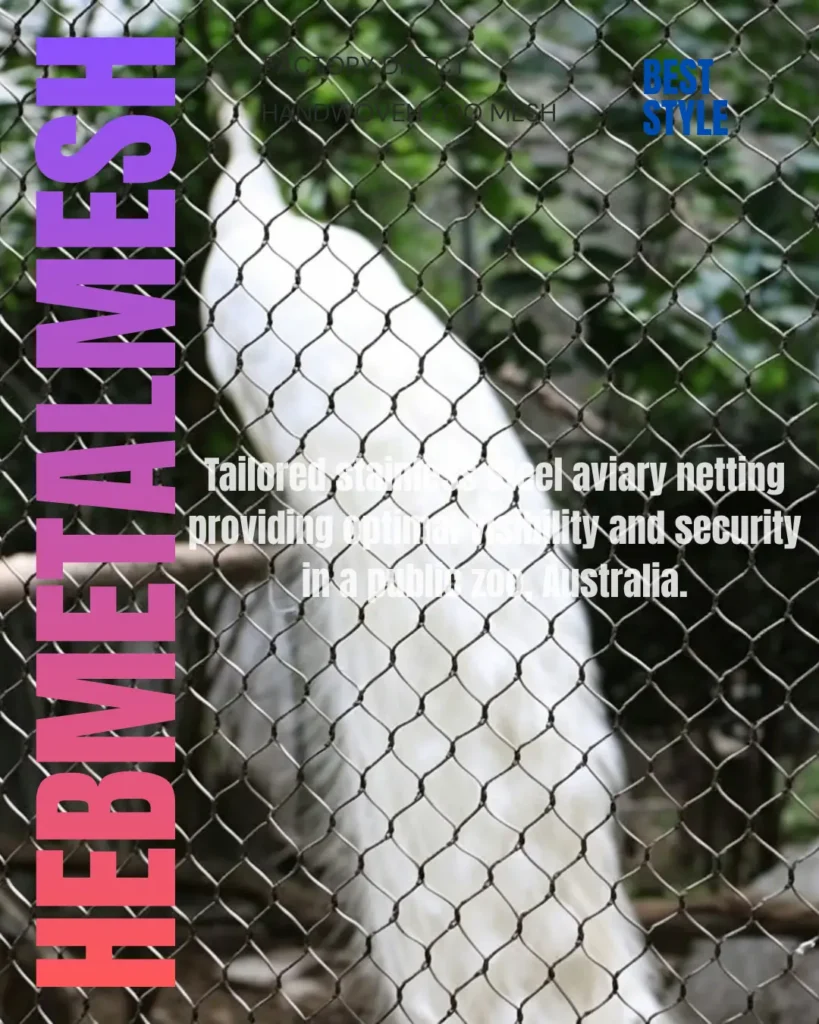
A peafowl breeding pen holds two animals whose masses differ by a factor of fifty in the same volume, in the same season, and that single fact drives every number on the drawing. The cock weighs 4 to 6 kg and loads a panel with his chest when he displays. A peachick weighs under 110 g at hatch, stands barely 10 cm tall, and walks straight through an opening the adult cannot see. A pen specified for the cock leaks chicks. A pen specified for the chick is over-built on the walls and under-built on the roof. The work is to specify one structure that serves both, and to know which of the two bodies owns which number.
Executive Summary
A breeding group is not a flock. One cock with two or three hens will produce chicks in late spring, and the arrival of chicks changes the enclosure more than the arrival of another adult does, because a chick is small enough to pass an aperture that is perfectly adequate for its mother and slow enough to be taken by animals that ignore adult peafowl entirely. The aperture therefore belongs to the chick, at 20-25 mm, while cable diameter, panel height and the landing load on the roof belong to the cock. A second problem sits on top of the first: a mature cock attacks and kills chicks, including his own, so the pen has to be separated into a breeding volume and a rearing volume rather than run as one open room. The whole specification is a two-zone schedule rather than a single figure, and the zone boundary moves as the chicks grow. The reference specification is the peacock enclosure fencing product page.
Building a breeding pen? Send the number of cocks, the number of hens, whether the group hatches chicks, the worst predator on site and the ground conditions, and we will return the two-zone panel schedule, both apertures, the groundline detail and the fixing allowance as one document.
Request a specificationQuick Answer:
A peafowl breeding pen is specified in two zones rather than one. The chick zone sets the aperture at 20-25 mm so a peachick cannot pass and cannot hang, and it must run to the ground with no gap at all. The adult zone sets cable diameter at 2.4-3.2 mm, the height, and the landing load the roof carries when a 5 kg cock flies up to roost. The two zones are separated by a solid or fine partition, because the cock is the first predator a chick meets.
Key Takeaways
- Mass spans fifty to one inside one pen, so no single aperture figure can be correct.
- The chick owns the aperture; the cock owns the cable, the height and the roof load.
- A mature cock kills chicks, so separation is a structural requirement, not a management preference.
- Hens nest in a ground scrape, which makes the groundline a nest detail as well as a predator detail.
- Chicks fly at two to three weeks, so the roof arrives far earlier than a first-year plan assumes.
Husbandry records for Pavo cristatus and the institutions that breed the species in managed collections are held through Species360, whose animal-record system is where a breeding group’s chick weights, hatch dates and pedigree are actually kept.
A Breeding Group Is Not a Flock
A single-species adult run and a peafowl breeding enclosure are specified from different starting points. The run is specified for one body size and one behaviour: a bird that walks, forages and flies up to roost. A peafowl breeding aviary has to serve that same bird plus a body one fiftieth of its mass, and it has to do it from the moment the chicks leave the shell. That is the ordinary work of any peacock habitat mesh project, but the breeding case inverts the usual order of decision. On an adult page you settle the height first because escapes happen over the top. Here the aperture is settled first, because a chick that is 10 cm tall is lost through the wall, not over the roof, and because an aperture tight enough to hold it is also the aperture that decides how dark and how expensive the whole pen becomes.
The Aperture Belongs to the Chick
The number that matters is not the chick’s width; it is the difference between its head and its shoulders. A peachick’s head passes an opening that its body cannot follow, and an opening in that range is a hanging risk rather than a containment. So the target is not “too small for the body” but “too small for the head as well”, which for a bird that size means 20-25 mm. In practice a peafowl chick gap of 20-25 mm holds a peachick from the day it hatches, a 38 mm opening holds it for perhaps a week, and a 51 mm opening does not hold it at all. The adult pen is the familiar peafowl figure, and the site’s specification sheet carries both zones under the same rope family, so the two are bought together rather than improvised.
| Zone | Occupant | Aperture | Rope diameter | Reference code |
| Chick zone | Peachick, day 1 to about week 8 | 20-25 mm | 1.2-1.6 mm | HM1220 / HM1225 |
| Grow-out zone | Juvenile, week 8 to month 5 | 38-51 mm | 1.6-2.0 mm | HM1638 / HM3250 |
| Adult zone | Cock and hens | 51-76 mm | 2.4-3.2 mm | HM3250 / HM3276 |
The Cock Is the First Threat His Chicks Meet
Owners plan for foxes and lose the chicks to the bird that sired them. A mature cock is aggressive to chicks, particularly chicks he has not sired, and a group in which one cock runs with two or three hens is exactly the arrangement in which a hen’s brood is destroyed in a morning. That converts peafowl chick separation from a management choice into a piece of structure. The pen needs a partition that a chick cannot pass and a cock cannot reach through, and sightline matters as much as aperture: a panel the cock can see through but not reach through is a panel he will work at all day. A peafowl multi age enclosure run as one open volume almost always loses its chicks, which is why the two-pen arrangement is standard among breeders who hatch birds rather than buy them.
The Nest Is a Scrape on the Ground
A peafowl hen does not read a plan. She chooses a shallow depression in cover, often against a wall or under a shrub, and lays there. Offer a peafowl nest box and most hens will ignore it, which is not a reason to omit one but is a reason to design as though the nest will be on bare ground. So the groundline is not only a predator detail; for six weeks a year it is the nest itself. A sitting hen is on the ground for about four weeks of incubation and then her chicks are on it for their first days. The peafowl nest scrape is therefore inside the fence line, and the base of the enclosure has to close the groundline in a way a sitting bird will tolerate: a kerb or a buried edge rather than an apron the hen has to walk over, with the outward detail kept outside the pen.
The Nursery Is a Different Pen
Once chicks hatch, peafowl chick housing should be a volume of its own. A peafowl nursery is small, dry, fine-meshed and roofed, and its job list is short and unforgiving. Peachick predators arrive on the ground and from the air: rats and snakes take day-old chicks, crows, magpies and jays take them in the open, and cats, foxes, raccoons, hawks and owls take the rest. Chilling is the threat owners underestimate, and a wet cold week kills more chicks than any predator does, so the nursery wants a dry floor, three-sided shelter and a roof before it wants size. A peafowl brooder covers the first few days indoors in bad weather; the peafowl chick netting takes over the moment the birds go outside. For peachick housing and a peachick pen the whole envelope can be run in fine zoo grade enclosure mesh, because at that scale the cost of tight mesh is small and the cost of one lost chick is not. Build in a catch corner while you are at it, since chickens and peachicks both have to be caught for worming and for sexing.
The Grow-Out Pen, and the Day the Chicks Fly
Peafowl chick flight arrives earlier than almost every first-year plan assumes. A peachick leaves the ground at roughly two to three weeks, which means the roof stops being a detail in the third week of the bird’s life. This is the single most common reason a home breeding pen loses birds rather than predators taking them. The peafowl grow out pen that follows is a mid-specification volume: the aperture can open from the chick figure towards the adult figure as the body grows, but not all the way, because a five-month bird is still small enough to be lost through an opening that suits its mother. Growth continues to about a year for body size, with the cock’s train developing through the second year, so treat the transition as a schedule with three stages rather than a switch with two settings. All three rope-and-aperture combinations are drawn from one product family on the peacock enclosure mesh specification.
What the Mesh Still Has to Do
Everything above sets the geometry; the material still has to survive the pen. Where a hen has brooded, the floor is wet and ammonia-bearing, and that is the argument for 304 stainless steel mesh inland and a molybdenum grade where the pen stays damp or the frame is galvanised. A stainless steel rope mesh panel woven from 7×7 strand loses roughly 2% of one strand’s breaking load when a single wire goes and stays tensioned, which is why it outlives a welded grid that releases a whole intersection at the crossing. Terminate panels on an edge cable with a swage ferrule at each end rather than a staple line, because a fabric that can be re-tensioned is a fabric that can be repaired. A hand woven wire mesh detail also removes the hard fused lump that a chick can hang on. Use a flexible cable netting system where the pen follows an existing frame, and keep a corrosion resistant mesh on the groundline section, since that is the band that stays wet longest. Whichever way a peafowl netting schedule is drawn, add 10-20% for fixings, edge cable, tensioners, ferrules and anchor plates, and isolation washers wherever stainless meets a galvanised member. The free-range version of the same job is on the peacock roof netting page.
What Goes Into the Order
Write the brief from the group rather than from the panel. Send the number of cocks and hens and whether the group hatches chicks; the stages you intend to rear and how long each lasts; the two apertures you want and the height at which one becomes the other; whether the partition is solid, fine-meshed or both; the worst predator on the ground and in the air; where the hens actually nest; the wet-season drainage at the floor; how you intend to catch a bird; and the roof line you measured. Cost drivers run rope diameter first, then aperture, then panel size, with order volume a distant last, so a two-zone schedule is cheaper than it looks: the fine mesh covers a small area that matters and the heavy mesh covers the rest. Two comparison pages are worth reading before the panel schedule is fixed, the peafowl aviary specification for the adult single-species case, and the peafowl house material guide for the sheltered half of the year. The aperture-by-species numbers behind the chick figure are on the mesh size for a bird aviary page.
Frequently Asked Questions
Not reliably. A mature cock is aggressive to chicks and will kill them, including his own, so a breeding group that hatches chicks needs the chicks separated behind a partition rather than left in the breeding pen.
A 20-25 mm aperture, at 1.2-1.6 mm rope. The figure is set by the head rather than the body, because an opening wide enough to pass the head but not the shoulders is an entrapment risk rather than a containment.
Most hens nest in a ground scrape and will ignore a box. Provide one, but design the groundline as though the nest will be on bare soil, because for about six weeks a year it will be.
Chicks are off the ground at roughly two to three weeks. That is why a breeding pen needs a roof from the start, and why a home pen that was fine for adults starts losing birds as soon as the first brood leaves the nest.
Send the group size, the rearing stages, the two apertures and the groundline conditions, and we will return the two-zone panel schedule, the partition detail and the fixing allowance as one document — contact Hebmetalmesh.