Introduction: The Versatility of Netting for Fence
In modern property management—whether you are overseeing a world-class zoological park, a high-yield organic farm, or a private estate—the traditional “solid wall” philosophy is fading. The industry is moving toward netting for fence systems.
Why the shift? Property owners now demand barriers that provide maximum security without the “prison-like” aesthetic of heavy bars or the fragility of plastic mesh. Netting for fence applications offers a unique combination of high tensile strength, transparency, and architectural flexibility that rigid materials simply cannot match.
1. What Exactly is “Netting for Fence”?
While many people associate the word “netting” with flimsy garden mesh or sports nets, in a professional context, it refers to high-tensile, flexible wire systems. At Hebmetalmesh, we have redefined this category with our handwoven stainless steel rope mesh.
Unlike traditional chain-link (which can sag) or welded wire (which can snap at the joints), our netting for fence products uses a knotted structure. This allows the fence to behave as a single, unified “fabric” of steel, distributing impact energy across the entire surface area.
2. The Multi-Industry Demand
The versatility of fence netting makes it the “Swiss Army Knife” of perimeters:
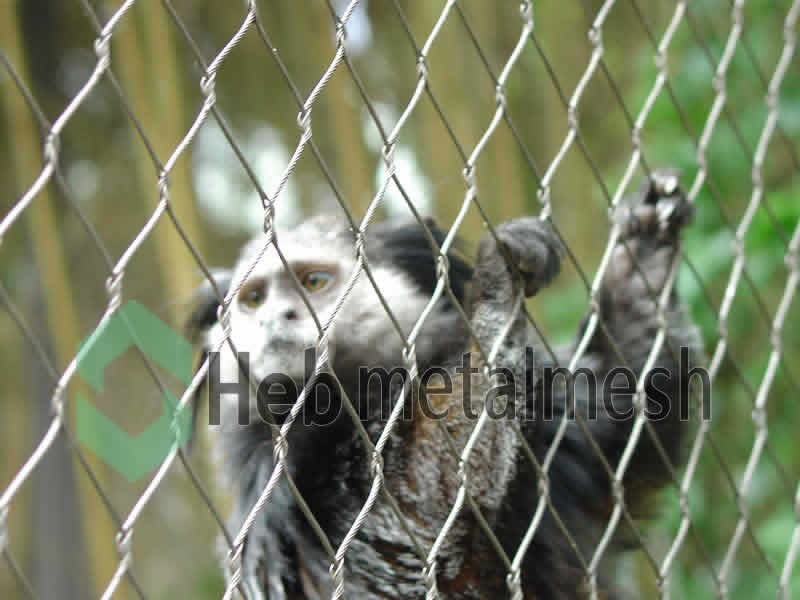
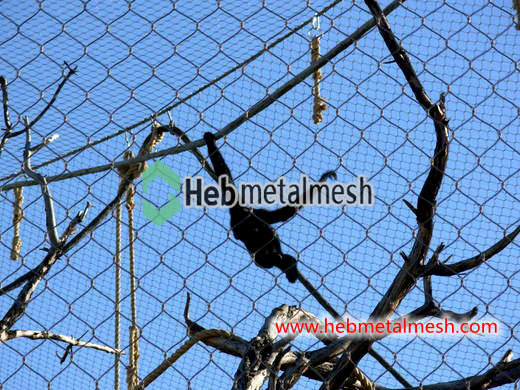
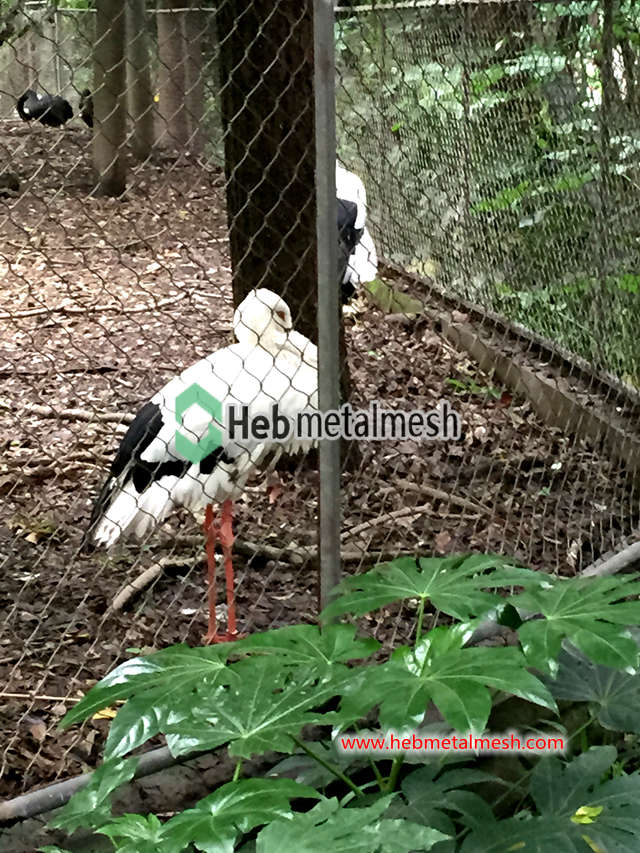
- For Zoos: It creates immersive, “invisible” habitats for primates, birds, and big cats.
- For Gardens: It provides a nearly invisible shield against deer and pests while allowing 90%+ sunlight and airflow.
- For Farms: It offers a chew-proof, predator-resistant barrier for livestock and poultry runs that lasts for decades.
- For Architecture: It serves as a sleek, modern safety balustrade for bridges, stairs, and balconies.
3. Why Hebmetalmesh is the Ultimate Upgrade
The market is flooded with cheap, UV-degradable plastic netting or rust-prone galvanized wire. Hebmetalmesh serves the “buy it once” market. By utilizing 304 and 316-grade stainless steel, we provide a “netting for fence” solution that is:
- Rust-Proof: Zero maintenance even in coastal or high-humidity environments.
- Customized: We are one of the few factories globally that offers customized roll sizes (up to 30′ x 60′) at no additional cost.
- Eco-Friendly: Stainless steel is 100% recyclable and free from the toxic lead or zinc coatings found in cheaper alternatives.
Key Takeaways
What is the best netting for a permanent fence? For permanent installations, handwoven stainless steel rope mesh is the best option. It offers a 30-50 year lifespan, is completely rust-proof, and provides significantly higher breaking strength than plastic or galvanized netting.
Can netting be added to an existing fence? Yes, netting is a popular choice for “retrofitting” or increasing the height of an existing fence. It is lightweight enough to be attached to the top of current posts to provide extra security or deer protection without adding significant weight.
Key Takeaways: Why Choose Netting Over Solid Fencing?
When selecting “netting for fence” applications, the goal is often to provide security without creating a visual prison. Hebmetalmesh handwoven stainless steel netting offers a suite of benefits that traditional chain-link, wood, or plastic simply cannot deliver.
1. High-Fidelity Visibility (The “Invisible” Barrier)
One of the primary reasons architects choose netting for fence projects is transparency.
- 90%+ Open Area: Our fine-wire diameter allows for maximum light transmission.
- The Black Oxide Advantage: While natural stainless steel reflects light, our Black Oxide treatment absorbs it. This makes the netting virtually disappear against green foliage or shadows, providing an unobstructed view of landscapes or zoo exhibits.
- Photography Friendly: For zoos and botanical gardens, this “invisible” quality allows visitors to take clear photos without the distracting “cross-hatch” glare of traditional fences.
2. Extreme Durability and Life-Cycle Value
Standard “netting for fence” options like plastic or galvanized wire are temporary solutions. Hebmetalmesh is a permanent investment.
- Corrosion Resistance: Made from 304 or 316-grade stainless steel, our netting is immune to rust, UV degradation, and acid rain.
- “Self-Healing” Properties: Stainless steel contains chromium, which forms an invisible “passive layer.” If the mesh is scratched, this layer regrows, preventing the internal steel from ever rusting.
- 30-Year Lifespan: While plastic netting needs replacement every 2-3 years, a stainless steel fence netting system can last upwards of 30 years with zero maintenance.
3. Structural Adaptability
Solid fencing struggles with irregular terrain. Netting for fence applications thrives in complex environments.
- Follows the Contour: Because handwoven mesh is flexible, it can be stretched to follow hills, valleys, and curves without unsightly gaps at the bottom.
- Lightweight Strength: Despite its high breaking load, the mesh is incredibly light. This reduces the structural load on your fence posts, allowing for taller fences (up to 50 feet) that would be impossible or too expensive with traditional materials.
Material Comparison: Why Stainless Steel Wins
To help you decide on the right “netting for fence” material, we’ve compared the three most common options currently on the market.
| Feature | Plastic / Poly Netting | Galvanized Wire Mesh | Hebmetalmesh (Stainless) |
| Durability | Low (2-5 years) | Moderate (5-10 years) | Extreme (30+ years) |
| Chew-Proof | No (Rats/Squirrels bite through) | Yes | Yes (Virtually Indestructible) |
| UV Resistance | Poor (Becomes brittle) | Good | Excellent (Immune to Sun) |
| Aesthetics | Industrial / Cheap | Utility / “Caged” Look | Elegant / Premium |
| Maintenance | High (Frequent replacement) | Moderate (Rust patches) | Zero (Rinse with water) |
| Eco-Friendly | No (Microplastics) | No (Zinc runoff) | Yes (100% Recyclable) |
Key Takeaways
What is the most durable netting for a fence?
Handwoven stainless steel wire rope mesh is the most durable netting for fences. Unlike plastic, it does not degrade under UV light, and unlike galvanized steel, it is naturally rust-proof without needing a zinc coating.
Is fence netting better than chain-link for visibility?
Yes. Fence netting, specifically black oxide stainless steel mesh, offers significantly better visibility than chain-link. The thinner wire and light-absorbing finish allow the eye to focus on the landscape behind the fence rather than the barrier itself.
Top 4 Applications for Netting for Fence
Because of its unique “steel fabric” properties, Hebmetalmesh is the preferred netting for fence solution across multiple industries. Here is how it is being used to solve complex containment and security challenges.
1. Zoo & Wildlife Park Containment
In the world of professional zoology, safety is a science. Our zoo mesh is used to create immersive habitats for tigers, leopards, and large primates.
- Impact Absorption: Unlike rigid bars, our netting for fence systems acts like a safety net. If a large animal lunges at the barrier, the mesh flexes and absorbs the kinetic energy, protecting the animal from bone fractures and the fence from structural failure.
2. Garden & Orchard Protection
Gardeners face a constant battle with deer and smaller pests.
- Deer-Proofing: A standard garden fence is often too low for a determined deer. By adding a 3-foot outdoor netting extension to the top of your existing fence, you create a barrier they cannot clear.
- Pest Control: The 1″ x 1″ (25mm) aperture is small enough to stop rabbits and rodents while allowing 100% of the sunlight required for your organic vegetables to thrive.
3. Farm & Agricultural Barriers
Traditional chicken wire and plastic netting are no match for determined predators like foxes or hawks.
- Predator Resistance: Our 304 stainless steel heavy-duty metal netting mesh is “chew-proof.” Even the sharpest teeth cannot penetrate the stainless steel wire, keeping your valuable livestock safe 24/7.
4. Architectural & Safety Fencing
Beyond animals, netting for fence is a staple of modern architecture.
- Balustrades & Bridges: It provides high-security fall protection on bridges and high-rise balconies without blocking the breeze or the urban skyline.
Installation Guide – How to Retrofit Netting to Your Fence
One of the most common questions we receive is: “Can I add netting to my existing fence?” The answer is yes. Retrofitting is a cost-effective way to upgrade security or add height without a full replacement.
Step 1: Assess Your Foundation
Before adding height, ensure your existing fence posts are stable. If you are adding 2-3 feet of netting, the wind load is minimal due to the 90% open area, but the posts must be plumb.
Step 2: Install Post Extenders
If you need more height, use “slip-over” or “bolt-on” metal post extenders. For chain-link fences, these simply slide into the existing vertical pipes and are secured with self-tapping screws.
Step 3: Unroll and Position the Mesh
Starting at a corner post, temporarily secure the top of your Hebmetalmesh using stainless steel cable ties.
- Tip: Always unroll the mesh along the ground first to ensure there are no kinks before lifting it like a curtain against the frame.
Step 4: The Lacing Technique
For the most secure and professional look, use lacing wire.
- Thread a secondary stainless steel wire (1.2mm to 1.5mm) through the first row of mesh diamonds.
- Wrap the wire around your top rail or border cable.
- Continue “sewing” the mesh to the frame every 4-6 inches. This creates a seamless, drum-tight finish that won’t sag over time.
Key Takeaways
How do you secure netting to a metal fence? The most secure method is “lacing.” This involves using a thin stainless steel wire to sew the edge of the netting to the fence rail or post, passing the wire through every mesh aperture to distribute tension evenly.
Can I use netting to make my fence taller? Yes. Netting for fence is the ideal material for adding height because it is lightweight and has low wind resistance. By using post extenders and stainless steel rope mesh, you can increase a 4-foot fence to 7 or 8 feet efficiently.
Everything You Need to Know About Netting for Fence
Deer are notorious jumpers and browsers. A tall, sturdy fence made from handwoven stainless steel netting or welded wire mesh is often the best option. Adding an electric fence can also deter them.
Burying the bottom of your fence at least six inches deep is a good start. You can also add a layer of hardware cloth along the bottom for extra protection.
Yes, electric fencing can be effective for deterring predators from chicken coops. However, it’s essential to choose the right voltage and ensure the netting is safe for your birds.
The lifespan of your fence netting depends on the material, climate, and maintenance. Stainless steel netting is the most durable, while plastic netting might have a shorter lifespan.
The cost of fence netting varies depending on the type, size, and quantity you need. Chicken wire is generally the most affordable, while handwoven stainless steel netting is the priciest.
Handwoven stainless steel wire rope mesh is the strongest option on the market. Unlike plastic or cord, which can be cut, or welded wire, which can snap at the joints, our knotted mesh distributes impact energy across the entire panel. A 3.2mm stainless cable has a breaking strength of over 7kN, making it virtually indestructible for animal containment.
Yes. Netting is the preferred solution for deer because it is nearly invisible and can be installed at the required height (7–8 feet) without the heavy structural requirements of a solid wood or metal fence. We recommend a mesh size of 2″ x 2″ to ensure deer don’t get their heads or legs entangled.
No. When you use 304 or 316-grade stainless steel, the material is naturally corrosion-resistant. For coastal areas or high-humidity environments, our 316 marine-grade mesh is essential, as it contains molybdenum to prevent pitting and “tea staining” caused by salt spray.
The “aperture” is the opening between the wires.
1″ x 1″ (25mm): Best for birds, rabbits, and small pests.
2″ x 2″ (51mm): The “Gold Standard” for primates, deer, and perimeter security.
3″ x 3″ or 4″ x 4″: Best for large apex predators (tigers, lions) or bridge safety
Yes. Our handwoven knots are manually finished to ensure there are no sharp burrs or edges. Unlike chain-link, which can snag fur, or plastic, which can be swallowed if chewed, stainless steel is non-toxic and physically “soft” to the touch while remaining incredibly strong.
Absolutely. At Hebmetalmesh, we specialize in customized roll sizes up to 30′ x 60′. Ordering custom sizes reduces on-site cutting labor and eliminates expensive material waste.
From a visibility standpoint, yes. Black oxide netting absorbs light rather than reflecting it. This creates an “invisible” effect, allowing the eye to see through the fence to the landscape or animals behind it. It is the top choice for professional zoo exhibits and high-end residential gardens.
No. While raccoons, foxes, and rats can easily chew through plastic netting or thin chicken wire, they cannot penetrate stainless steel wire rope. This makes our heavy-duty metal netting mesh the ultimate choice for predator-proofing poultry runs and livestock pens.
Yes. Unlike plastic netting that breaks down into microplastics or galvanized steel that leaches zinc into the soil, stainless steel is chemically inert and 100% recyclable. It is the most sustainable “long-life” fencing material available.
You can buy directly from the manufacturer. Visit our online store to see current pricing, explore different specifications, and order factory-direct for worldwide shipping.
Conclusion: Investing in the Best Netting for Your Fence
Choosing the right netting for fence is a decision that impacts the safety, aesthetics, and maintenance costs of your property for decades. While plastic and galvanized options offer a low entry price, they fail to provide the long-term value, security, and “invisible” beauty of stainless steel.
By choosing Hebmetalmesh, you are opting for a product trusted by world-class zoos and premium architectural firms. Whether you are building a gibbon barrier, protecting a private orchard, or securing a modern balcony, our handwoven mesh provides a “set it and forget it” solution.
Ready to secure your perimeter?
Shop our Stainless Steel Mesh Store today or contact our technical team for a custom quote on your next project.