
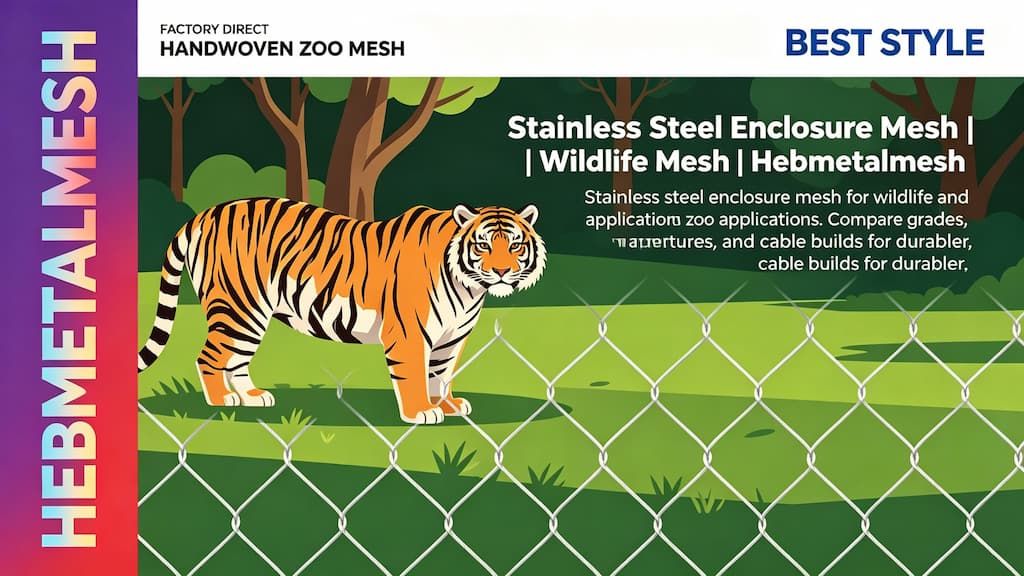
Summary: This guide helps zoo managers, wildlife park operators, and facility planners select the right stainless steel enclosure mesh for animal habitats. You will learn how to compare stainless steel grades, choose appropriate aperture sizes, and match cable constructions to specific species—ensuring durable, clear-view barriers that protect both animals and visitors.
👉 Need stainless steel enclosure mesh for your zoo or wildlife park? Contact Hebmetalmesh today for expert guidance and custom solutions.
Key Takeaways
- Stainless steel enclosure mesh outlasts traditional fencing materials by decades, with 316 grade offering superior corrosion resistance in coastal or humid environments.
- Aperture size must match the species—smaller openings for birds and primates, larger for big cats and hoof stock.
- Cable construction (7×7 vs. 7×19) affects flexibility and strength; choose based on enclosure design and animal behavior.
- 304 stainless steel suits most inland applications; 316 stainless steel is recommended for saltwater or high-humidity habitats.
- Professional installation and proper tensioning are critical for safety and longevity.
Introduction
When designing animal enclosures for zoos, wildlife parks, and sanctuaries, few decisions carry as much weight as choosing the right barrier material. The enclosure must be strong enough to contain powerful animals, yet visually unobtrusive so visitors can observe wildlife naturally. It must withstand weather extremes, resist corrosion, and require minimal maintenance over decades of service. Stainless steel enclosure mesh has emerged as the industry gold standard, offering a unique combination of strength, durability, and transparency that traditional fencing materials simply cannot match.
Unlike chain-link fencing or welded wire panels, stainless steel rope mesh is hand-woven from individual wire ropes, creating a flexible yet incredibly strong netting system. This construction allows the mesh to absorb impact forces without breaking, making it ideal for containing everything from small primates to large predators like tigers and bears. The open weave design provides uninterrupted sightlines, enhancing the visitor experience while maintaining a secure barrier. At Hebmetalmesh, we offer a wide range of stainless steel animal enclosure mesh products highly customizable with different fence panel options.
This guide walks you through everything you need to know about selecting stainless steel enclosure mesh for your facility—from material grades and aperture sizes to installation considerations and maintenance requirements. Whether you are building a new habitat or upgrading an existing enclosure, the information here will help you make an informed decision that balances safety, durability, and budget.
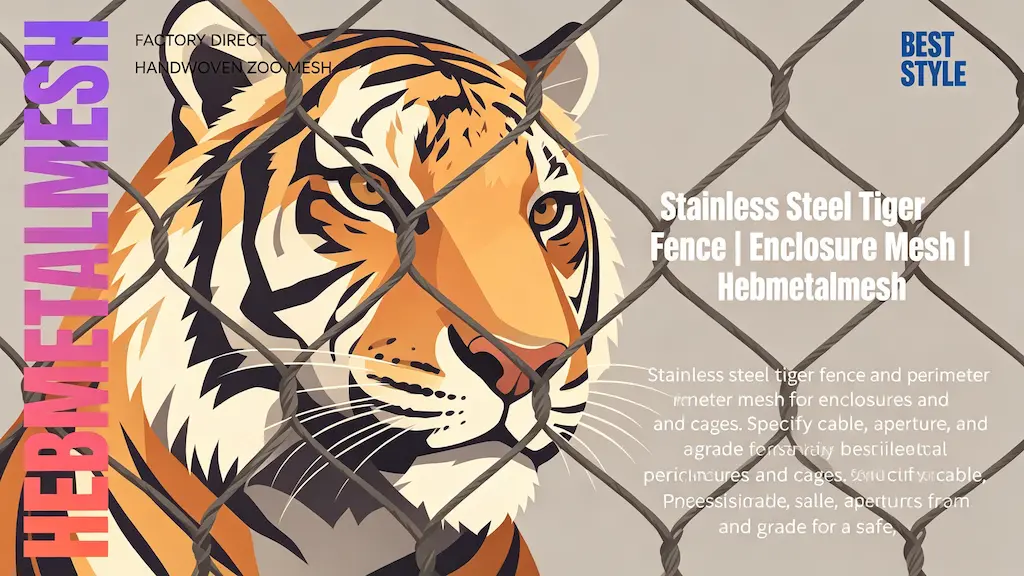
Why Choose Stainless Steel Enclosure Mesh?
Unmatched Durability and Longevity
Traditional enclosure materials—galvanized steel, vinyl-coated chain link, and welded wire—all have significant limitations. Galvanized steel eventually rusts, especially in outdoor environments where rain, humidity, and animal waste accelerate corrosion. Vinyl coatings can be scratched or chewed through, exposing the underlying steel to rapid degradation. Welded wire mesh, while initially strong, has weak points at each weld that can fail under repeated stress.
Stainless steel enclosure mesh eliminates these vulnerabilities. Made from high-grade stainless steel alloys—typically 304 or 316—this mesh is inherently corrosion-resistant. It does not require protective coatings that can be damaged, and it maintains its structural integrity for decades. Many zoos report their stainless steel mesh enclosures lasting 30 years or more with minimal maintenance. This long service life translates into significant cost savings over time, as facilities avoid the expense and disruption of frequent replacements. For a deeper look at material benefits, explore our guide on choosing the right fence for animal habitats, which covers the exceptional corrosion resistance and longevity of stainless steel fencing solutions.
Clear-View Design for Visitor Engagement
Modern zoos prioritize immersive visitor experiences. Guests want to see animals in environments that resemble their natural habitats, without bars or opaque barriers obstructing the view. Stainless steel rope mesh offers an exceptionally open view—often exceeding 80% transparency depending on the aperture size. The thin wire ropes are barely visible from a distance, creating the illusion that animals are roaming freely while remaining safely contained.
This visual clarity is not just about aesthetics; it supports educational goals by allowing visitors to observe natural behaviors up close. For species that are shy or easily stressed, the unobtrusive nature of stainless steel mesh can reduce anxiety compared to more imposing barriers.
Safety and Animal Welfare
Animal welfare is paramount in any zoological setting. Stainless steel enclosure mesh is designed with animal safety in mind. The smooth, burr-free surface of stainless steel wire ropes prevents injuries that can occur with sharp-edged or deteriorating materials. The flexibility of rope mesh allows it to give slightly under impact, reducing the risk of injury if an animal runs into the barrier.
For climbing species like primates and big cats, the mesh provides excellent grip without the risk of entanglement. The hand-woven construction eliminates protruding wires that could catch claws or fur. Additionally, stainless steel is non-toxic and does not leach harmful chemicals, making it safe for animals that may mouth or chew on enclosure boundaries.
Understanding Stainless Steel Grades: 304 vs. 316
304 Stainless Steel: The Workhorse Grade
304 stainless steel is the most commonly used grade for enclosure mesh applications. It contains approximately 18% chromium and 8% nickel, providing excellent corrosion resistance for most inland environments. 304 grade mesh is suitable for zoos and wildlife parks located away from coastal areas, where salt exposure is minimal. It performs well in temperate climates and offers a strong balance of durability and cost-effectiveness.
For facilities with standard environmental conditions—moderate rainfall, no salt spray, and controlled indoor habitats—304 stainless steel provides all the corrosion protection needed at a more accessible price point than 316 grade.
316 Stainless Steel: Maximum Corrosion Protection
316 stainless steel includes molybdenum, an alloying element that significantly enhances resistance to chlorides and other corrosive agents. This makes 316 the preferred choice for:
- Coastal zoos exposed to salt-laden ocean air
- Humid tropical environments where condensation is frequent
- Waterfowl and aquatic habitats with high moisture levels
- Enclosures that receive regular power-washing or chemical cleaning
While 316 grade commands a premium over 304, the additional investment is justified in challenging environments where corrosion could compromise safety. Many facility managers consider 316 the “set it and forget it” option—the extra upfront cost is offset by decades of trouble-free service.
Making the Right Choice
The decision between 304 and 316 stainless steel should be based on a site-specific assessment. Factors to consider include:
- Proximity to saltwater
- Local humidity and rainfall patterns
- Indoor vs. outdoor installation
- Species housed (some animals produce more corrosive waste)
- Cleaning protocols and chemical exposure
Consulting with an experienced stainless steel enclosure mesh supplier can help you evaluate these factors and select the optimal grade for your facility. Hebmetalmesh offers both 304 and 316 grades across our product line, ensuring you get the right material for your specific environmental conditions.
Aperture Sizes and Cable Constructions
Matching Aperture to Species
The aperture—or opening size—of the mesh is one of the most critical specifications for animal enclosures. Too large, and small animals can escape or become trapped; too small, and the mesh becomes unnecessarily heavy and expensive.
AI Overview: This table provides a quick reference for selecting the optimal aperture size and cable diameter based on the species housed in your zoo or wildlife enclosure. Smaller apertures (19–38 mm) are recommended for birds and primates, while larger openings (51–102 mm) suit big cats, bears, and herbivores. Click the product links to explore detailed specifications and order options.
* Product links open in a new tab. Dash (—) indicates no specific product link.
Table 1: Recommended aperture sizes and cable diameters by species type
For mixed-species exhibits or enclosures housing animals with varying sizes, err on the side of the smaller aperture to ensure the safety of the smallest resident. For large parrots and macaws, we recommend our 2″ x 2″ x 3/32″ Heavy Duty Parrot Enclosure Mesh, specifically engineered to withstand extreme beak pressure.
Cable Construction: 7×7 vs. 7×19
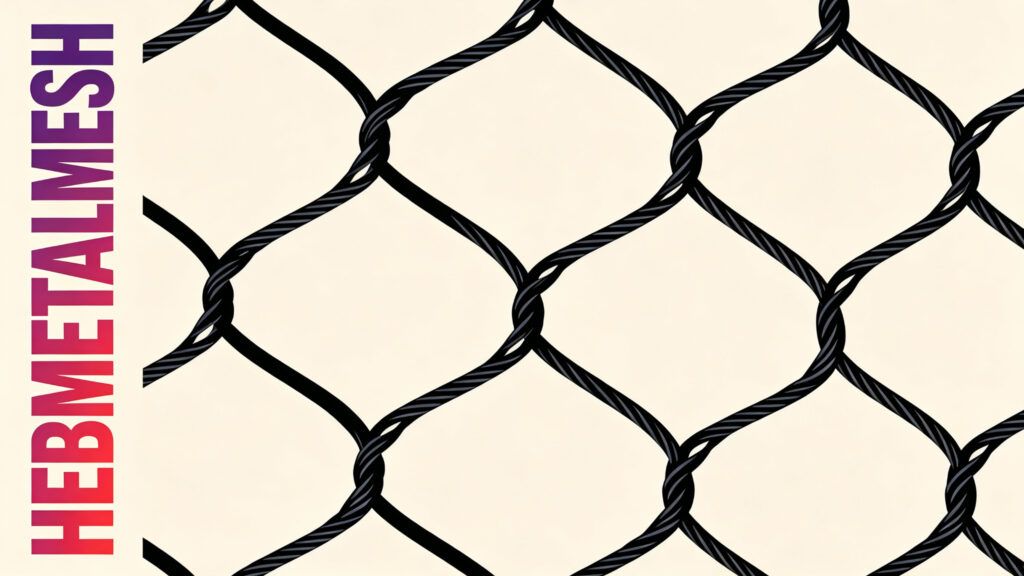
Stainless steel enclosure mesh is manufactured using wire ropes with different constructions. The notation “7×7” means the rope consists of seven strands, each made of seven individual wires. “7×19” indicates seven strands of 19 wires each.
- 7×7 construction offers greater rigidity and holds its shape well. It is ideal for applications where the mesh needs to remain flat and stable, such as panel installations or enclosures with minimal curvature.
- 7×19 construction is more flexible, allowing the mesh to conform to curved or irregular surfaces. This construction is preferred for free-form habitat designs, domed aviaries, and enclosures that follow natural terrain contours.
The choice between these constructions depends on the design of your enclosure. For straightforward rectangular or square habitats, 7×7 provides excellent strength and stability. For more organic, sculptural designs, 7×19 offers the flexibility needed to achieve the desired form.
Installation and Maintenance Considerations
Professional Installation Matters
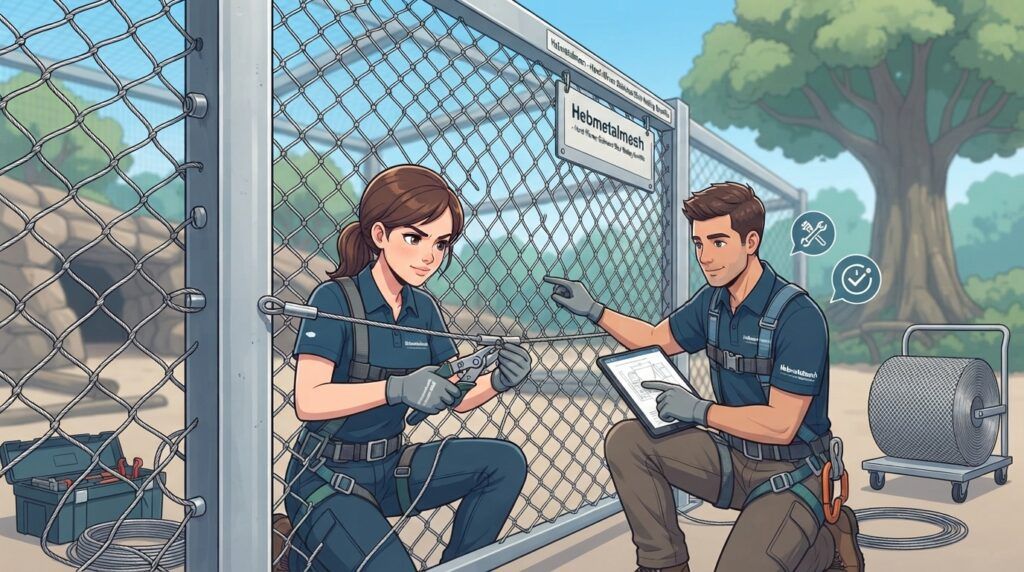
Installing stainless steel enclosure mesh is not a DIY project. Proper tensioning is essential to maintain the mesh’s structural integrity and prevent sagging that could create gaps or weak points. Professional installers use specialized tools and techniques to stretch the mesh to the correct tension, ensuring it remains taut and secure for the life of the enclosure.
The installation process typically involves:
- Site preparation—clearing the area and installing support posts or framework
- Mesh deployment—unrolling and positioning the mesh panels
- Tensioning—stretching the mesh to the specified tension
- Securing—attaching the mesh to the framework using ferrules, clips, or other fasteners
Working with an experienced enclosure mesh supplier who offers installation services or can recommend qualified contractors is highly recommended. For detailed guidance, refer to our Installing Zoo Mesh: A Step-by-Step Guide , which covers the entire installation process from site preparation to final tensioning.
Low Maintenance, High Reward
One of the greatest advantages of stainless steel enclosure mesh is its minimal maintenance requirements. Unlike painted or coated materials that need periodic repainting or recoating, stainless steel maintains its appearance and structural properties with little intervention.
Routine maintenance typically consists of:
- Annual inspections to check for damage, loose connections, or signs of wear
- Occasional cleaning with mild soap and water to remove debris and maintain appearance
- Tension checks to ensure the mesh remains properly stretched
In most environments, stainless steel enclosure mesh requires no more than a few hours of inspection and maintenance per year. This low upkeep translates into significant labor cost savings over the life of the enclosure.
Common Applications
Zoo Enclosures
From small primate habitats to large predator exhibits, zoo enclosure mesh is used across the full spectrum of zoological settings. The mesh provides secure containment while allowing visitors to observe animals in naturalistic settings. Many of the world’s leading zoos have transitioned to stainless steel mesh for their flagship exhibits. For big cat habitats, our 3″ x 3″ x 1/8″ Tiger Enclosure Netting provides maximum transparency while maintaining the safety standards required for the world’s largest felines. For leopard exhibits, our 3″ x 3″ x 1/8″ Leopard Netting offers an unmatched view of the habitat without sacrificing security.
Aviaries and Bird Habitats
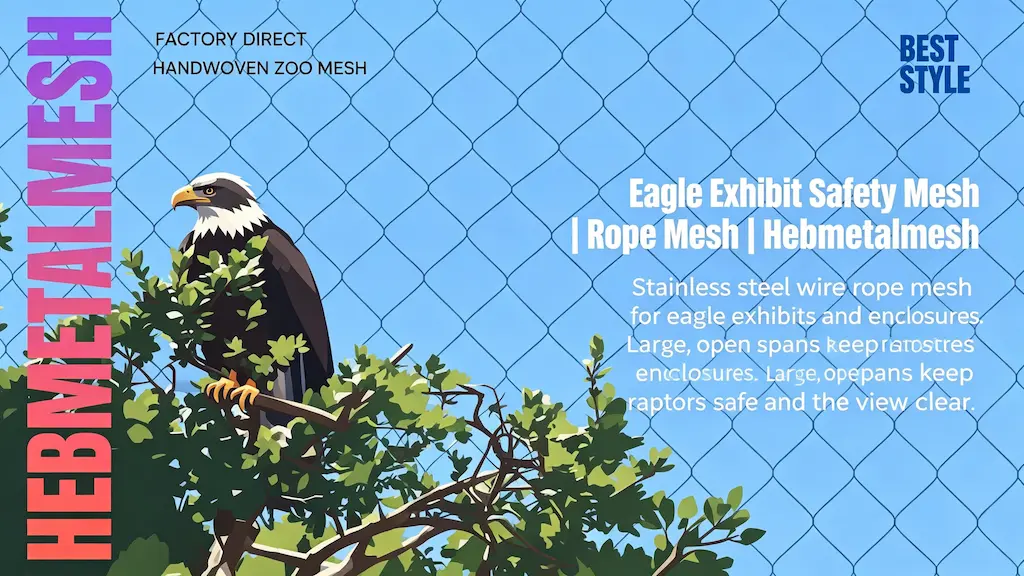
Birds present unique containment challenges. They need space to fly, yet the enclosure must prevent escape while withstanding the elements. Stainless steel aviary mesh offers the transparency birds need for natural flight patterns while providing the strength to resist beak damage and weather exposure. Walk-in aviaries constructed with stainless steel mesh have become signature attractions at many botanical gardens and zoos.
For macaws and large parrots, our Stainless Steel 304 Macaw Fence is engineered to meet the specific needs of these intelligent and powerful birds, available in natural and black oxide finishes. For small birds like songbirds and finches, our 1″ x 1″ x 1/16″ Aviary Netting provides a secure, rust-proof barrier with a small aperture that keeps even the tiniest birds safely contained.
Wildlife Sanctuaries and Rehabilitation Centers
Facilities that care for injured or orphaned wildlife require enclosures that prioritize animal welfare while providing secure containment. Wildlife enclosure mesh offers the safety and durability these facilities need, with the added benefit of a natural appearance that supports rehabilitation goals.
Conclusion
Selecting the right stainless steel enclosure mesh is one of the most important decisions you will make when designing or upgrading animal habitats. The mesh you choose must balance strength, durability, transparency, and safety—all while fitting within your budget and meeting the specific needs of the species you house.
By understanding the differences between 304 and 316 stainless steel, matching aperture sizes to your animals, and selecting the appropriate cable construction, you can specify a mesh system that will serve your facility for decades. Partnering with an experienced enclosure mesh supplier ensures you receive quality materials and expert guidance throughout the selection and installation process.
Invest in stainless steel enclosure mesh today, and give your animals—and your visitors—the habitat they deserve.
Get a sized quote in 24 hours. Send us your stainless steel enclosure mesh dimensions for a quote →
Frequently Asked Questions
1. What is the difference between 304 and 316 stainless steel enclosure mesh?
304 stainless steel is the standard grade for most inland applications, offering excellent corrosion resistance at a competitive price. 316 stainless steel contains molybdenum, which provides superior protection against saltwater, humidity, and chemicals—making it the preferred choice for coastal zoos, aquatic habitats, and high-moisture environments.
2. How do I choose the right aperture size for my animal enclosure?
Aperture size should be based on the smallest animal in the enclosure to prevent escape or entrapment. Small birds and primates require openings as small as 19mm (¾″), while large herbivores and big cats can be safely contained with apertures up to 102mm (4″). Consult with your mesh supplier to match aperture to your specific species.
3. How long does stainless steel enclosure mesh last?
With proper installation and minimal maintenance, stainless steel enclosure mesh typically lasts 30 years or more. The material does not rust, corrode, or degrade like galvanized or coated alternatives, making it one of the most durable enclosure solutions available.
4. Is stainless steel enclosure mesh safe for animals?
Yes. Stainless steel mesh is non-toxic, burr-free, and designed with animal safety in mind. The smooth surface prevents injuries, and the flexible rope construction absorbs impact forces to reduce injury risk if animals run into the barrier. The mesh also provides excellent grip for climbing species without risk of entanglement.
5. Can stainless steel enclosure mesh be customized for specific enclosure designs?
Absolutely. Stainless steel enclosure mesh is available in a wide range of cable diameters, aperture sizes, and panel dimensions. Custom fabrication allows the mesh to fit virtually any enclosure shape or size, from rectangular habitats to free-form, curved designs.
Authority Reference
For enclosure and animal-welfare standards used by accredited institutions, see the Association of Zoos and Aquariums